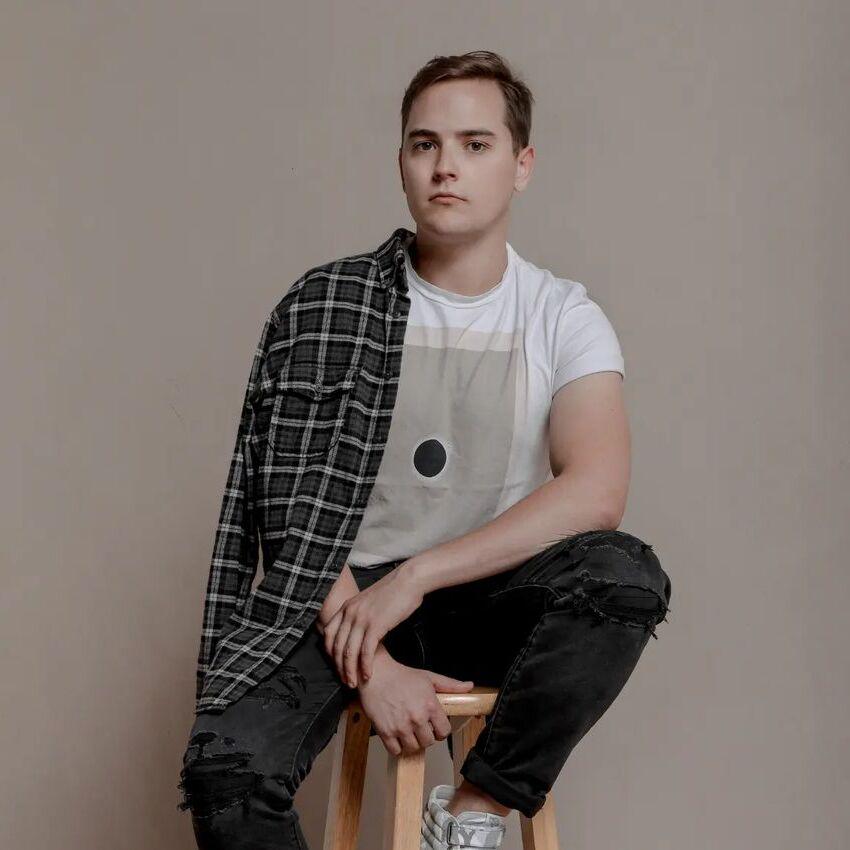
Kramder

Electronic
House
Disco house
 Viberate Rank: 279944
 Viberate Rank: 279944
 Monthly ListenersFollowers
 Subscribers
 Followers
 Followers
 FansTop Spotify Songs
| Track | 7-Day Streams | |
|---|---|---|
1 | 51 | |
2 | 45 | |
3 | 38 | |
4 | 29 | |
5 | 26 |
Top YouTube VideosMonthly ListenersFeatured in Playlists| Playlist | Followers | |
|---|---|---|
1 |  Bass Boosted 🔥🔊 Desired Music | 497.08K |
2 |  Tech House 🔥🔊 Desired Music | 46.77K |
3 |  House Music 2025 Trending Music | 28.79K |
4 |  BARONG FAMILY (FULL CATALOGUE) jace | 25.29K |
5 |  Tech House & Melodic Techno 2023 Bass House | 22.60K |
Audience| City | Monthly Listeners | |
|---|---|---|
1 | | 20 |
2 |  | 18 |
3 |  | 17 |
4 |  | 15 |
5 | | 14 |
See full performance history, audience data, playlist activity, rankings, comparisons, and more in Viberate music analytics. Start with a free trial, then continue with a paid plan.
Kramder’s Spotify BioHailing from Normandy, France, Valentin Lalonde aka. kramder burst onto the music scene nearly a decade ago when he began experimenting with producing his own tracks.
Inspired by the golden era of the 70’s, kramder's music is a unique blend of old and new, fusing 70’s and 80’s disco and synthpop vibes with sounds from the French House Movement (taking Daft Punk, Justice and the Ed Banger label as references). He is also inspired by more cinematic and evasive sounds of M83 with the purpose of taking you through a musical odyssey.
Over the years, kramder has collaborated with some of the biggest names in the industry including Tchami, Malaa, Tommie Sunshine and Axwell. His music has received support from industry legends like The Magician, Busy P, Oliver Heldens, cementing his reputation as a rising talent to watch.
Now, with the release of his latest EP, “SFL VOL. I (The Strange Feeling Of Legacy)”, kramder is taking his music to new heights. The EP features lush vocals and pop-inspired… elements, showcasing a more mature and emotional side to his sound.
With this new direction, kramder's undeniable talent is paving the way for his bright future.
Viberate is a music analytics platform built for A&Rs, artist managers, labels, booking agents, marketers, and artists.
It helps music professionals track artist growth, analyze audience data, monitor playlist activity, compare artists, follow song performance, and identify opportunities across the music market.
Public artist pages provide a free preview of selected artist data. Paid plans provide access to deeper analytics, historical data, charts, comparisons, playlist tools, exports, alerts, reports, and additional professional features.
Yes. Public Viberate artist pages provide selected artist analytics and music data for free.
Viberate also offers a 7-day free trial of the full platform. A credit card is required to start the trial. The trial includes access to the complete product so users can test deeper artist analytics, historical views, playlist insights, comparisons, charts, exports, alerts, and reporting features before choosing a paid plan.
Viberate provides artist analytics across streaming, playlists, social media, video, radio airplay, songs, and audience markets.
Users can analyze Spotify performance, Spotify and Apple Music playlists, YouTube activity, TikTok and Instagram growth, radio spins, song performance, audience locations, demographics, rankings, and overall artist momentum.
Artist profiles also connect to music charts, similar artists, and comparison tools, helping users benchmark performance and evaluate artists in context.
Viberate updates key artist and track data daily.
For followed artists and tracks, selected data is refreshed multiple times per day. This helps teams monitor playlist changes, streaming movement, audience growth, releases, and campaign performance with more current data.
Update frequency can vary depending on the metric and data source.
Yes. Viberate lets users compare up to five artists side by side across streaming, social media, audience, and engagement metrics.
Users can compare fanbase growth, audience demographics, locations, Spotify performance, social metrics, and other artist data over selected time periods.
Artist comparison can be used for A&R scouting, benchmarking, booking decisions, campaign planning, and evaluating artists with similar audiences or market positions.