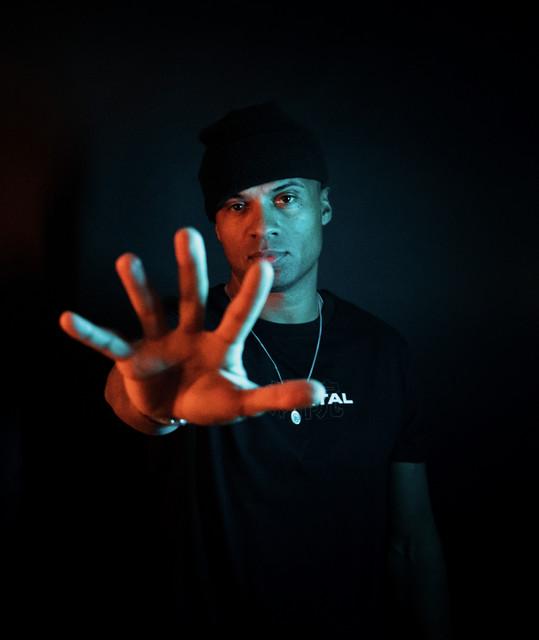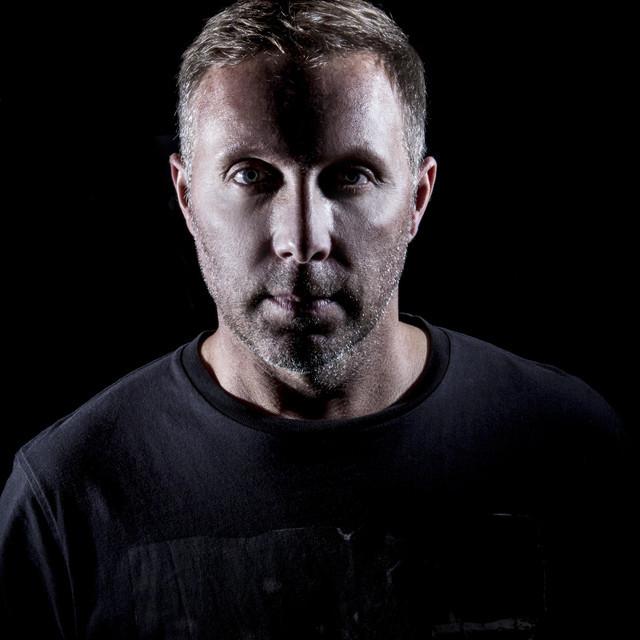
Krafty Kuts

Electronic
Dance
Breakbeat
 Viberate Rank: 48500
 Viberate Rank: 48500
 Monthly ListenersFollowers
 Subscribers
 Followers
 Followers
 FansTop Spotify Songs
| Track | 7-Day Streams | |
|---|---|---|
1 | 15.53K | |
2 | 11.55K | |
3 | 11.18K | |
4 | 9.74K | |
5 | 8.46K |
Top YouTube Videos| Video | 7-Day Views | |
|---|---|---|
1 | 437 | |
2 | 280 | |
3 | 247 | |
4 | 231 | |
5 | 206 |
Monthly ListenersFeatured in Playlists| Playlist | Followers | |
|---|---|---|
1 |  Drum and Bass / Jungle / Reggae Jeffrey Bosman | 39.40K |
2 |  Aviencloud Uploads Aviencloud | 25.94K |
3 | Rap Old School hugo_2k | 25.58K |
4 |  Oldschool Anthems Of Rave 88~94 OLDSCHOOL ANTHEMS | 24.50K |
5 |  Drum and Bass remixes of popular songs Thodoris Milis | 23.25K |
Audience| City | Monthly Listeners | |
|---|---|---|
1 | | 7.97K |
2 |  | 5.19K |
3 | | 5.02K |
4 | | 4.42K |
5 | | 4.24K |
See full performance history, audience data, playlist activity, rankings, comparisons, and more in Viberate music analytics. Start with a free trial, then continue with a paid plan.
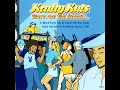
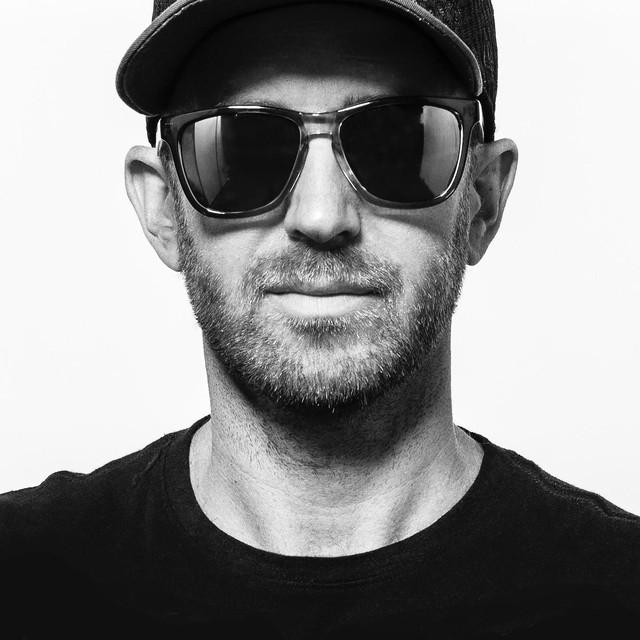
Krafty Kuts’ Spotify BioInternationally renowned breaks DJ/producer Krafty Kuts is the co-founder of the label Against the Grain and has a long list of albums, EPs, and remixes to his credit. Born Martin Reeves and based in Brighton, England, he began DJing at a young age, developing his turntablist skills during the mid- to late '80s. He later worked at a record shop in Brighton and began producing his own tracks. Reeves made his recording debut as Krafty Kuts in 1998 on the Ministry of Sound big beat offshoot label FSUK with the EP Funky Elements. Around this same time, his track "Gimme the Funk" had been championed by Fatboy Slim, who ultimately released it on his Southern Friend Records label in 1999. These initial productions drew attention to Reeves' talents as a DJ, and so he teamed up with fellow breaks DJ/producer Lloyd Seymour (aka Skool of Thought) to form the long-running club night Supercharged. He also released his first mix album, Slam the Breaks On (1999), via Lacerba, and it proved so… successful that he released a second volume a year later.
In 2001 Reeves and Seymour furthered their partnership by founding the labels Against the Grain and Supercharged, the former of which was inaugurated with a pair of Krafty Kuts EPs (Lost Plates, Lock the Hype/Smash Your Breaks). Also in 2001, Reeves made his Finger Lickin' Records debut with another pair of EPs (Finger Lickin' Funk, Vol. 1, Dangerous). He later released the full-length album Tricka Technology (2003), a collaboration with A-Skillz, on Finger Lickin' Records. Meanwhile, he continued to showcase his talents as a DJ on mix albums including Fuzzy Breaks, Vol. 1 (2002) and These Are the Breaks (2003), and his live performances earned him a series of Best DJ awards (2004, 2005, 2006) courtesy of Breakspoll. Reeves continued his output in subsequent years, releasing the full-length Krafty Kuts album Freakshow (2006), which spawned the club smash "Bass Phenomenon." Plus, there were more mix albums, including entries in the long-running Fabriclive and Back to Mine series in 2007 and 2008, respectively. ~ Jason Birchmeier, Rovi
Viberate is a music analytics platform built for A&Rs, artist managers, labels, booking agents, marketers, and artists.
It helps music professionals track artist growth, analyze audience data, monitor playlist activity, compare artists, follow song performance, and identify opportunities across the music market.
Public artist pages provide a free preview of selected artist data. Paid plans provide access to deeper analytics, historical data, charts, comparisons, playlist tools, exports, alerts, reports, and additional professional features.
Yes. Public Viberate artist pages provide selected artist analytics and music data for free.
Viberate also offers a 7-day free trial of the full platform. A credit card is required to start the trial. The trial includes access to the complete product so users can test deeper artist analytics, historical views, playlist insights, comparisons, charts, exports, alerts, and reporting features before choosing a paid plan.
Viberate provides artist analytics across streaming, playlists, social media, video, radio airplay, songs, and audience markets.
Users can analyze Spotify performance, Spotify and Apple Music playlists, YouTube activity, TikTok and Instagram growth, radio spins, song performance, audience locations, demographics, rankings, and overall artist momentum.
Artist profiles also connect to music charts, similar artists, and comparison tools, helping users benchmark performance and evaluate artists in context.
Viberate updates key artist and track data daily.
For followed artists and tracks, selected data is refreshed multiple times per day. This helps teams monitor playlist changes, streaming movement, audience growth, releases, and campaign performance with more current data.
Update frequency can vary depending on the metric and data source.
Yes. Viberate lets users compare up to five artists side by side across streaming, social media, audience, and engagement metrics.
Users can compare fanbase growth, audience demographics, locations, Spotify performance, social metrics, and other artist data over selected time periods.
Artist comparison can be used for A&R scouting, benchmarking, booking decisions, campaign planning, and evaluating artists with similar audiences or market positions.