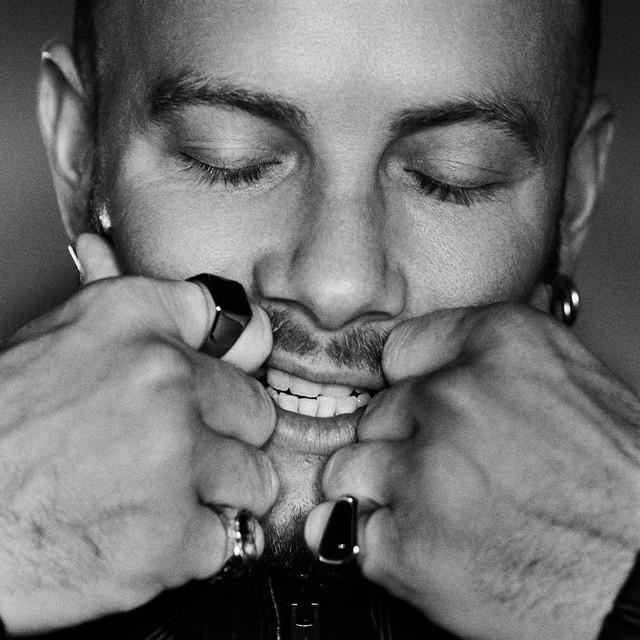
Kornél Kovács


Electronic
House
Lo-Fi
 Viberate Rank: 108397
 Viberate Rank: 108397
 Monthly ListenersFollowers
 Subscribers
 Followers
 Followers
 FansTop Spotify Songs
| Track | 7-Day Streams | |
|---|---|---|
1 | 18.10K | |
2 | 7.57K | |
3 | 3.01K | |
4 | 715 | |
5 | 549 |
Top YouTube Videos| Video | 7-Day Views | |
|---|---|---|
1 | 4 | |
2 | 3 |
Monthly ListenersFeatured in Playlists| Playlist | Followers | |
|---|---|---|
1 |  Bonobo presents OUTLIER Radio Bonobo | 63.87K |
2 |  Disclosure's Record Bag Disclosure | 60.51K |
3 |  Headphone Selections by RÜFÜS DU SOL RÜFÜS | 60.27K |
4 |  The Sound of Everything The Sounds of Spotify | 53.83K |
5 | ☕️ Programming Johan | 49.68K |
Audience| City | Monthly Listeners | |
|---|---|---|
1 |  | 3.15K |
2 |  | 2.22K |
3 | | 1.98K |
4 |  | 1.67K |
5 |  | 1.32K |
See full performance history, audience data, playlist activity, rankings, comparisons, and more in Viberate music analytics. Start with a free trial, then continue with a paid plan.
Kornél Kovács’ Spotify BioSwedish left-field house producer Kornél Kovács creates bright and buoyant tracks that don't take themselves too seriously. Kovács was born in 1985 in Stockholm, where he was formally trained in music by day and exposed to his parents' record collection by night. It wasn't long before an appetite for electronic dance music began to emerge, quickly leading to his first gig at the age of 14. Kovács began his career spinning drum'n'bass, but he eventually lost interest and hung up the headphones for a few years. It wasn't until the mid-2000s -- when he hit the legal age to enter clubs -- that he began again, this time focusing on house. In a short period of time, Kovács became a resident at Paradise, before moving on to Stockholm's Red Bull Music Academy. During his time at RBMA he set up the Studio Barnhus label alongside Axel Boman and Petter Nordkvist. His productions were ready for wider release by 2012, beginning with Baby Step/Down Since '92 on his own label. A number of EPs… followed, mainly through Studio Barnhus, alongside releases on Smallville and Numbers. In 2016 Kovács released his debut full-length album, The Bells, which came to fruition after two solid weeks in the studio and help from engineer Matt Karmil. ~ Liam Martin, Rovi
Viberate is a music analytics platform built for A&Rs, artist managers, labels, booking agents, marketers, and artists.
It helps music professionals track artist growth, analyze audience data, monitor playlist activity, compare artists, follow song performance, and identify opportunities across the music market.
Public artist pages provide a free preview of selected artist data. Paid plans provide access to deeper analytics, historical data, charts, comparisons, playlist tools, exports, alerts, reports, and additional professional features.
Yes. Public Viberate artist pages provide selected artist analytics and music data for free.
Viberate also offers a 7-day free trial of the full platform. A credit card is required to start the trial. The trial includes access to the complete product so users can test deeper artist analytics, historical views, playlist insights, comparisons, charts, exports, alerts, and reporting features before choosing a paid plan.
Viberate provides artist analytics across streaming, playlists, social media, video, radio airplay, songs, and audience markets.
Users can analyze Spotify performance, Spotify and Apple Music playlists, YouTube activity, TikTok and Instagram growth, radio spins, song performance, audience locations, demographics, rankings, and overall artist momentum.
Artist profiles also connect to music charts, similar artists, and comparison tools, helping users benchmark performance and evaluate artists in context.
Viberate updates key artist and track data daily.
For followed artists and tracks, selected data is refreshed multiple times per day. This helps teams monitor playlist changes, streaming movement, audience growth, releases, and campaign performance with more current data.
Update frequency can vary depending on the metric and data source.
Yes. Viberate lets users compare up to five artists side by side across streaming, social media, audience, and engagement metrics.
Users can compare fanbase growth, audience demographics, locations, Spotify performance, social metrics, and other artist data over selected time periods.
Artist comparison can be used for A&R scouting, benchmarking, booking decisions, campaign planning, and evaluating artists with similar audiences or market positions.