Konk

Electronic
Dance
Disco house
 Viberate Rank: 258154
 Viberate Rank: 258154
 Monthly ListenersFollowers
 Subscribers
 Followers
 Followers
 FansTop Spotify Songs
| Track | 7-Day Streams | |
|---|---|---|
1 | 667 | |
2 | 446 | |
3 | 382 | |
4 | 328 | |
5 | 287 |
Top YouTube VideosMonthly ListenersFeatured in Playlists| Playlist | Followers | |
|---|---|---|
1 |  Jazz Funk & Groove Guillermo Lanzani Lagomarsino | 36.07K |
2 |  80s Movie Soundtracks Lee Coursey | 34.49K |
3 |  The Total Mixtape Ayhan Can Sezer | 29.57K |
4 |  Larry Levan at Paradise Garage Honey-K | 29.29K |
5 |  Bee Movie Justas Janušauskas | 28.31K |
Audience| City | Monthly Listeners | |
|---|---|---|
1 |  | 159 |
2 | | 156 |
3 | | 147 |
4 |  | 102 |
5 | | 102 |
See full performance history, audience data, playlist activity, rankings, comparisons, and more in Viberate music analytics. Start with a free trial, then continue with a paid plan.
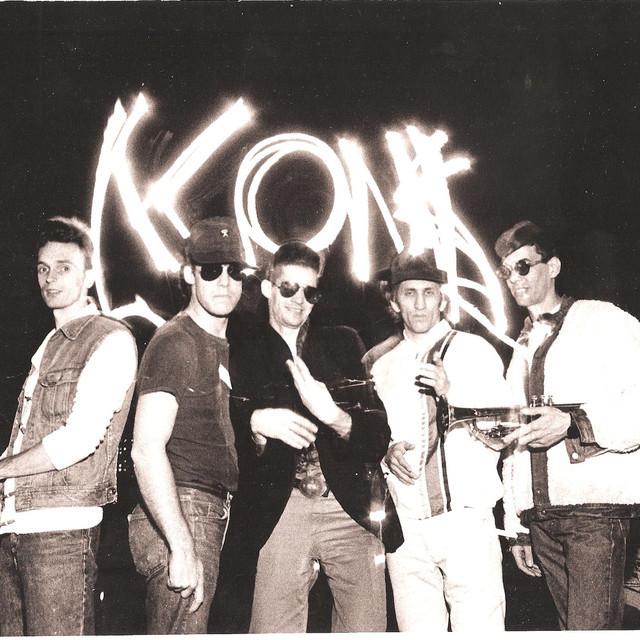
Konk’s Spotify BioFormed in 1980 in New York City, KONK was a band that emerged during a period marked by the post-punk/new wave and disco scenes which were prevalent at the time. KONK won the attention of both scenes by playing a hybrid of the two musical styles which involved the blending of a new wave attitude with the carefree nature of disco's dance crowd. KONK's musical influences ranged from Afrobeat, jazz, and funk to hip hop. Given these influence KONK's style is noted as being highly percussive, and containing simple, yet strong, backing bass lines. As part of New York’s post-punk dance scene they regularly played alongside groups such as Liquid Liquid, Bush Tetras, ESG, The Peech Boys and The Lounge Lizards. They have been featured in a recent book by David Byrne and others on the New York post-punk scene.
KONK was formed by avant-garde jazz personality Dana Vlcek and had among its many members: Richard Edson, who also played drums on the first Sonic Youth record and has had acting roles in… such films as Spike Lee's Do the Right Thing and Jim Jarmusch's Stranger Than Paradise; Angel Quinones on congas, who later played for Jimmy Buffett; another member was Shannon Dawson (trumpet), who also was an early associate of Jean-Michel Basquiat in the band Gray, and the SAMO graffiti. He is the uncle of actress Rosario Dawson. Geordie Gillespie plays drums and percussion, co produced the songs, and is the band archivist. - Wiki
Viberate is a music analytics platform built for A&Rs, artist managers, labels, booking agents, marketers, and artists.
It helps music professionals track artist growth, analyze audience data, monitor playlist activity, compare artists, follow song performance, and identify opportunities across the music market.
Public artist pages provide a free preview of selected artist data. Paid plans provide access to deeper analytics, historical data, charts, comparisons, playlist tools, exports, alerts, reports, and additional professional features.
Yes. Public Viberate artist pages provide selected artist analytics and music data for free.
Viberate also offers a 7-day free trial of the full platform. A credit card is required to start the trial. The trial includes access to the complete product so users can test deeper artist analytics, historical views, playlist insights, comparisons, charts, exports, alerts, and reporting features before choosing a paid plan.
Viberate provides artist analytics across streaming, playlists, social media, video, radio airplay, songs, and audience markets.
Users can analyze Spotify performance, Spotify and Apple Music playlists, YouTube activity, TikTok and Instagram growth, radio spins, song performance, audience locations, demographics, rankings, and overall artist momentum.
Artist profiles also connect to music charts, similar artists, and comparison tools, helping users benchmark performance and evaluate artists in context.
Viberate updates key artist and track data daily.
For followed artists and tracks, selected data is refreshed multiple times per day. This helps teams monitor playlist changes, streaming movement, audience growth, releases, and campaign performance with more current data.
Update frequency can vary depending on the metric and data source.
Yes. Viberate lets users compare up to five artists side by side across streaming, social media, audience, and engagement metrics.
Users can compare fanbase growth, audience demographics, locations, Spotify performance, social metrics, and other artist data over selected time periods.
Artist comparison can be used for A&R scouting, benchmarking, booking decisions, campaign planning, and evaluating artists with similar audiences or market positions.