Knockout Kid

Punk
Punk Rock
Hardcore Punk
Pop Punk
 Viberate Rank: 334725
 Viberate Rank: 334725
 Monthly ListenersFollowers
 Subscribers
 Followers
 Followers
 FansTop Spotify Songs
| Track | 7-Day Streams | |
|---|---|---|
1 | 171 | |
2 | 75 | |
3 | 51 | |
4 | 41 | |
5 | 40 |
Top YouTube VideosMonthly ListenersFeatured in Playlists| Playlist | Followers | |
|---|---|---|
1 | POPPUNK Kevin McLaughlin | 8.53K |
2 |  Easycore Essentials Keven Coleman | 5.47K |
3 |  SEKKDS 10K x 10K SEKKDS | 4.00K |
4 |  Rise Records ivex25 | 3.39K |
5 |  EASYCORE Martin Joseph Rioux | 3.07K |
Audience| City | Monthly Listeners | |
|---|---|---|
1 | | 39 |
2 | | 24 |
3 | | 17 |
4 | | 15 |
5 | | 15 |
See full performance history, audience data, playlist activity, rankings, comparisons, and more in Viberate music analytics. Start with a free trial, then continue with a paid plan.
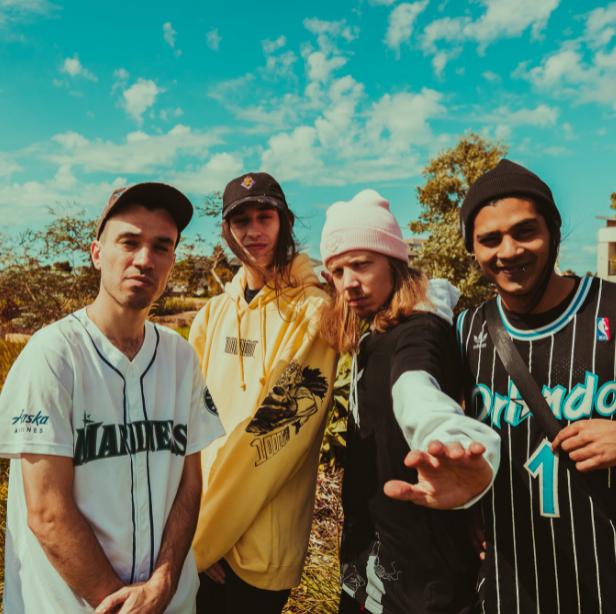
Knockout Kid’s Spotify BioKnockout Kid's unique brand of aggressive, metal-tinged pop punk has solidified them as a frontrunner of the scene, and they've toured the U.S. and Canada extensively since their inception. Having been compared to Four Year Strong, A Day To Remember, and The Wonder Years, KNOCKOUT KID released their label debut 12 song album, “MANIC,” in stores and digitally via Bullet Tooth on 2/26/16. The album also features guest vocals from Kid Liberty singer, and Bullet Tooth alumni, Trey Sexton, on the track “Jurassic Park After Dark," the first single off the record. The band also released the music video for "Empire Business" and "MANIC" vinyl LPs in late 2016.
Since its release, "MANIC" has garnered critical acclaim. New Noise Magazine called it the "most important record of 2016" because of its forward-thinking lyrical content. Chicago's own Reckless Record's hails "MANIC" as a "songwriting masterpiece for instrumentation & lyricism." The record also earned the band a personal invitation to… play Belgium's Groezrock Festival in April of 2016, one of Europe's top ten rock festivals.
Speaking on the signing, the band said, “Joining the Bullet Tooth family is a dream come true for KNOCKOUT KID. Having grown up on bands from Josh and Bullet Tooth, it’s only right that they release our most ambitious album to date. The future has never been brighter.”
Knockout Kid released their followup to "MANIC", "HERO INSOMNIAC" in July of 2020.
Viberate is a music analytics platform built for A&Rs, artist managers, labels, booking agents, marketers, and artists.
It helps music professionals track artist growth, analyze audience data, monitor playlist activity, compare artists, follow song performance, and identify opportunities across the music market.
Public artist pages provide a free preview of selected artist data. Paid plans provide access to deeper analytics, historical data, charts, comparisons, playlist tools, exports, alerts, reports, and additional professional features.
Yes. Public Viberate artist pages provide selected artist analytics and music data for free.
Viberate also offers a 7-day free trial of the full platform. A credit card is required to start the trial. The trial includes access to the complete product so users can test deeper artist analytics, historical views, playlist insights, comparisons, charts, exports, alerts, and reporting features before choosing a paid plan.
Viberate provides artist analytics across streaming, playlists, social media, video, radio airplay, songs, and audience markets.
Users can analyze Spotify performance, Spotify and Apple Music playlists, YouTube activity, TikTok and Instagram growth, radio spins, song performance, audience locations, demographics, rankings, and overall artist momentum.
Artist profiles also connect to music charts, similar artists, and comparison tools, helping users benchmark performance and evaluate artists in context.
Viberate updates key artist and track data daily.
For followed artists and tracks, selected data is refreshed multiple times per day. This helps teams monitor playlist changes, streaming movement, audience growth, releases, and campaign performance with more current data.
Update frequency can vary depending on the metric and data source.
Yes. Viberate lets users compare up to five artists side by side across streaming, social media, audience, and engagement metrics.
Users can compare fanbase growth, audience demographics, locations, Spotify performance, social metrics, and other artist data over selected time periods.
Artist comparison can be used for A&R scouting, benchmarking, booking decisions, campaign planning, and evaluating artists with similar audiences or market positions.