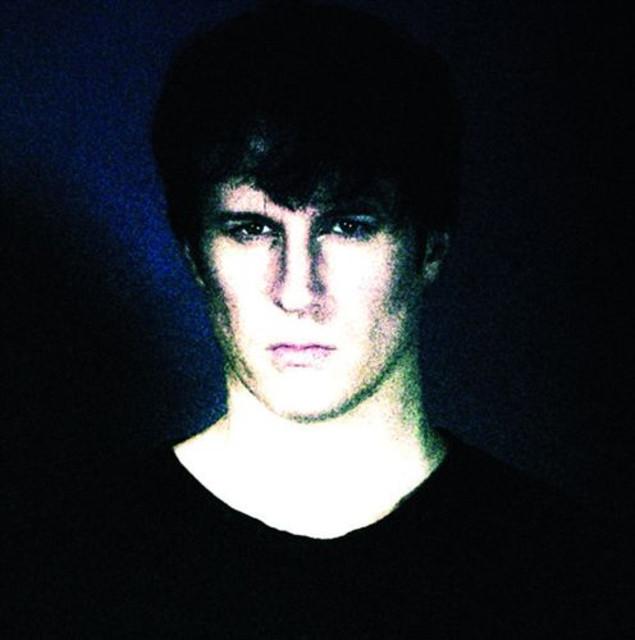
Knifehandchop

Electronic
Hardstyle/Hardcore
 Viberate Rank: 233805
 Viberate Rank: 233805
 Monthly ListenersFollowers
 Subscribers
 Followers
 Followers
 FansTop Spotify Songs
| Track | 7-Day Streams | |
|---|---|---|
1 | 2.80K | |
2 | 1.69K | |
3 | 1.59K | |
4 | 1.47K | |
5 | 1.29K |
Top YouTube VideosMonthly ListenersFeatured in Playlists| Playlist | Followers | |
|---|---|---|
1 |  Breakcore Heaven dreamstation® | 55.83K |
2 |  mission accomplished Chloe Wilkinson | 34.97K |
3 |  BREAKCORE/HYPERPOP/WEIRDCORE/LOUD MUSIC 🔪 | 32.13K |
4 |  This Is Modeselektor Spotify | 12.07K |
5 |  DIGITAL HARDCORE!!!!!!!!! nikalz | 9.42K |
Audience| City | Monthly Listeners | |
|---|---|---|
1 |  | 382 |
2 | | 286 |
3 | | 284 |
4 |  | 224 |
5 | | 197 |
See full performance history, audience data, playlist activity, rankings, comparisons, and more in Viberate music analytics. Start with a free trial, then continue with a paid plan.
Knifehandchop’s Spotify BioToronto born Knifehandchop is a multi-genre electronic musician known for unapologetically blending breakcore, booty house, drum & bass, electro, hip-hop and gabber to create something all his own. His unique musical style of thoughtful melodies, programmed breakbeats and chopped up vocals was informed by a childhood playing video games and teenage weekends at raves.
While still in high school, he received acclaim for a string of subversive 7" records and full length album "Bling The Noize" on London, England based Irritant Records.
He continued to develop and refine his sound producing two albums for kid606's Tigerbeat6 record label out of San Francisco with the chaotic "Rockstopper" and breakcore breakup classic "How I Left You".
Knifehandchop caught the attention of the late BBC Radio 1 legend John Peel who invited him to record a Peel Session in 2003.
Viberate is a music analytics platform built for A&Rs, artist managers, labels, booking agents, marketers, and artists.
It helps music professionals track artist growth, analyze audience data, monitor playlist activity, compare artists, follow song performance, and identify opportunities across the music market.
Public artist pages provide a free preview of selected artist data. Paid plans provide access to deeper analytics, historical data, charts, comparisons, playlist tools, exports, alerts, reports, and additional professional features.
Yes. Public Viberate artist pages provide selected artist analytics and music data for free.
Viberate also offers a 7-day free trial of the full platform. A credit card is required to start the trial. The trial includes access to the complete product so users can test deeper artist analytics, historical views, playlist insights, comparisons, charts, exports, alerts, and reporting features before choosing a paid plan.
Viberate provides artist analytics across streaming, playlists, social media, video, radio airplay, songs, and audience markets.
Users can analyze Spotify performance, Spotify and Apple Music playlists, YouTube activity, TikTok and Instagram growth, radio spins, song performance, audience locations, demographics, rankings, and overall artist momentum.
Artist profiles also connect to music charts, similar artists, and comparison tools, helping users benchmark performance and evaluate artists in context.
Viberate updates key artist and track data daily.
For followed artists and tracks, selected data is refreshed multiple times per day. This helps teams monitor playlist changes, streaming movement, audience growth, releases, and campaign performance with more current data.
Update frequency can vary depending on the metric and data source.
Yes. Viberate lets users compare up to five artists side by side across streaming, social media, audience, and engagement metrics.
Users can compare fanbase growth, audience demographics, locations, Spotify performance, social metrics, and other artist data over selected time periods.
Artist comparison can be used for A&R scouting, benchmarking, booking decisions, campaign planning, and evaluating artists with similar audiences or market positions.