KMD

Hip Hop
Contemporary Hip Hop
Alternative Hip Hop
 Viberate Rank: 123846
 Viberate Rank: 123846
 Monthly ListenersFollowers
 Subscribers
 Followers
 Followers
 FansTop Spotify Songs
| Track | 7-Day Streams | |
|---|---|---|
1 | 17.38K | |
2 | 5.50K | |
3 | 5.48K | |
4 | 4.42K | |
5 | 3.43K |
Top YouTube VideosMonthly ListenersFeatured in Playlists| Playlist | Followers | |
|---|---|---|
1 |  The Prose of Rhyming in Rap Estelle Caswell | 108.59K |
2 |  BEST OF MF DOOM Tijmen | 67.72K |
3 |  Boom Bap Classics Ville Kyyny | 60.44K |
4 |  90s Skate Music 🛹 Ryder mf Lund | 55.94K |
5 | Creep -Radiohead Jonas Berntsen | 54.99K |
Audience| City | Monthly Listeners | |
|---|---|---|
1 | | 1.78K |
2 |  | 1.74K |
3 | | 1.50K |
4 | | 1.37K |
5 |  | 1.33K |
See full performance history, audience data, playlist activity, rankings, comparisons, and more in Viberate music analytics. Start with a free trial, then continue with a paid plan.
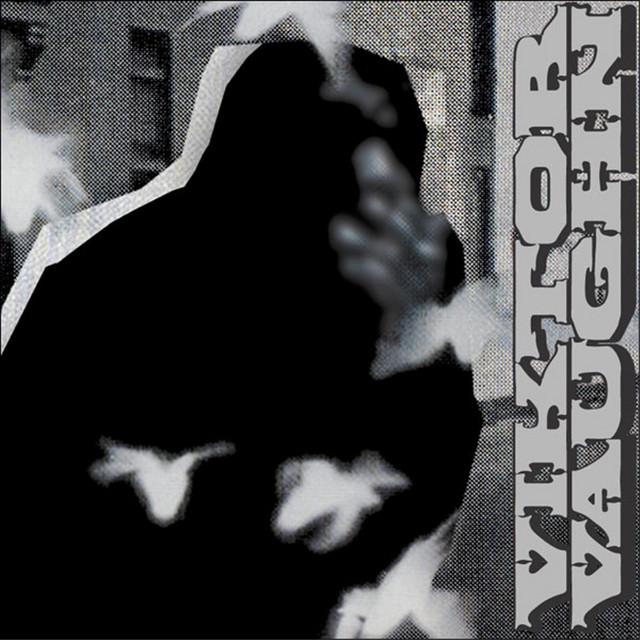
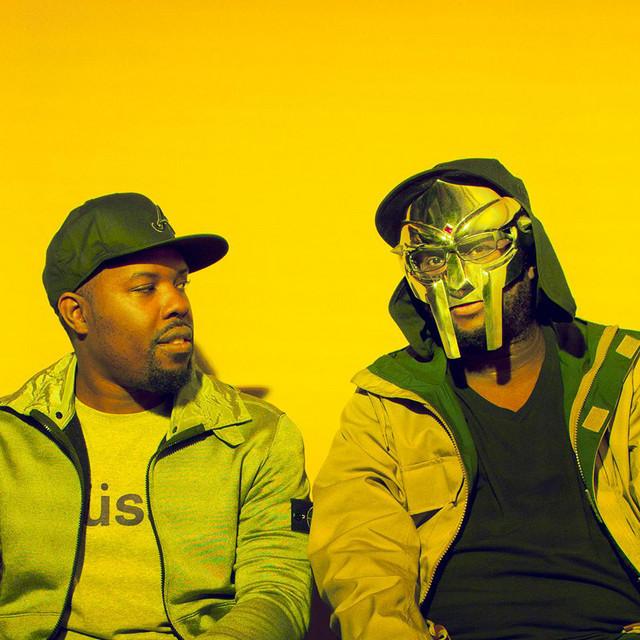
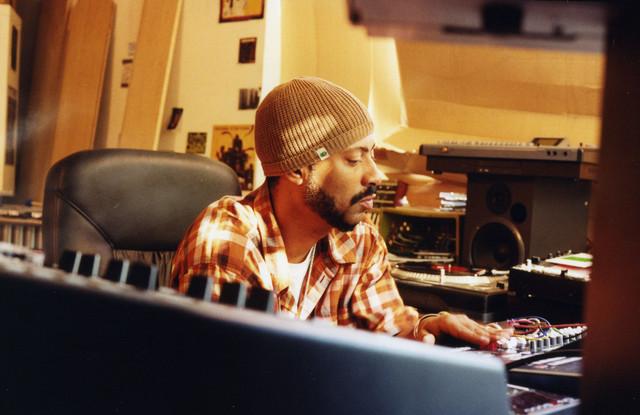
KMD’s Spotify BioNo group has balanced offbeat humor and pro-Black consciousness quite like KMD. One of the most imaginative and promising rap acts to surface in the late '80s, the Long Beach, New York trio's profile received a pre-debut boost from founding member Zev Love X's featured appearance on (and coining of) "The Gas Face," the biggest single off the first album by 3rd Bass. Although KMD released only one album while they were active, they made it count with Mr. Hood. Alternately amusing and provocative, the LP spawned a couple charting singles aided by videos aired on Yo! MTV Raps, and later made Ego Trip's instructive list of greatest hip-hop albums released in 1991. The development and timely arrival of KMD's second album, the comparatively aggressive Black Bastards, was thwarted by the death of DJ Subroc -- also a producer and MC, like older brother Zev -- and a mix of media misconception and label caution regarding the group's artistic intent with its presentation. By the time the album… finally saw proper commercial release, KMD no longer existed, and Zev Love X had brilliantly reinvented himself as MF Doom.
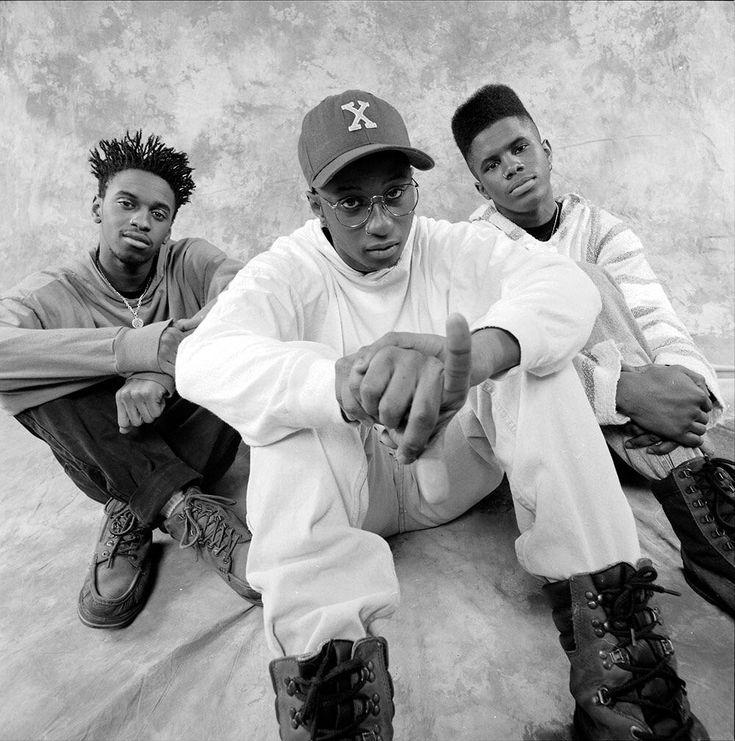
KMD, short for Kausing Much Damage (alternately a Positive Kause in a Much Damaged Society), formed in 1988 in Long Beach. Founding brothers Zev Love X and DJ Subroc were joined first by Rodan, who left to concentrate on high school, and then by Onyx the Birthstone Kid. The teenaged trio attracted the support of 3rd Bass and formed a bond that proved to be symbiotic. Zev's term for a facial expression of derision became the title and concept for "The Gas Face," the second single off The Cactus Album, 3rd Bass' Def Jam debut. The track entered Billboard's rap chart in January 1990 and eventually peaked at number five. Zev's guest verse introduced KMD, who were then signed to major-label Elektra by Dante Ross, the A&R legend who previously delivered De La Soul, Queen Latifah, and Digital Underground to Tommy Boy. KMD officially debuted with the lighthearted "Peachfuzz," which hit the rap chart the following February and narrowly missed its Top Ten. The full-length Mr. Hood, crediting 3rd Bass' MC Serch and Prime Minister Pete Nice as executive producers, followed in May and yielded another charting single with "Who Me?," a skewering of racist terminology and behavior. Other than a featured appearance by fellow Five Percent Nation members and labelmates Brand Nubian, and assistance on two tracks from Ross' Stimulated Dummies production crew, Mr. Hood was an in-house creation, with all three members sharing writing, production, and microphone duties. The set spent ten weeks on Billboard's Hot R&B Albums chart, during which 3rd Bass made their return with Derelicts of Dialect, featuring KMD on "Ace in the Hole."
Similar to 3rd Bass, KMD would make only a second album, but its path to the public was long, winding, and tragic. Onyx left the group during the sessions for this sophomore LP, and before its completion, Subroc was struck and killed by a vehicle while attempting to cross New York's Nassau Expressway. In mourning, Zev Love X managed to finish the album, a tougher sounding set of material in relation to Mr. Hood. "What a N*gga Know? (aka "What a N*ggy Know?") was issued as a lead single in April 1994. Around the same time, promotional advance copies of the parent album, Black Bastards, circulated through the industry. Two Billboard columns took strong exception to KMD's titling and imagery. One viewed the album artwork -- centering an illustration of Sambo as the victim of a game of hangman -- as promotion of lynching rather than the impending death of a racist caricature. From the crossed-out Sambo image that appeared on KMD sleeves going back to "Peachfuzz," to the lyrics and video for "Who Me?," Zev's pro-Black intent had long been made clear across mediums. Nonetheless, intensifying media and industry pressure prompted Elektra to withhold Black Bastards, the release of which was scheduled for May 1994. The label also dropped KMD but cut Zev a check and granted him the right to issue the album on another label. In 1998, a sampling of Black Bastards (Black Bastards Ruffs + Rares) was released on Bobbito Garcia's Fondle 'Em label, by which point Zev had re-emerged as the masked MF Doom (also via Fondle 'Em wax). Black Bastards was released in its entirety on Doom's Metal Face label 2000, and in 2015, it was reissued as a deluxe edition with a pop-up book. Doom, the prolific, beloved, and maverick MC/producer previously known as Zev Love X, died in 2020. ~ Andy Kellman, Rovi
Viberate is a music analytics platform built for A&Rs, artist managers, labels, booking agents, marketers, and artists.
It helps music professionals track artist growth, analyze audience data, monitor playlist activity, compare artists, follow song performance, and identify opportunities across the music market.
Public artist pages provide a free preview of selected artist data. Paid plans provide access to deeper analytics, historical data, charts, comparisons, playlist tools, exports, alerts, reports, and additional professional features.
Yes. Public Viberate artist pages provide selected artist analytics and music data for free.
Viberate also offers a 7-day free trial of the full platform. A credit card is required to start the trial. The trial includes access to the complete product so users can test deeper artist analytics, historical views, playlist insights, comparisons, charts, exports, alerts, and reporting features before choosing a paid plan.
Viberate provides artist analytics across streaming, playlists, social media, video, radio airplay, songs, and audience markets.
Users can analyze Spotify performance, Spotify and Apple Music playlists, YouTube activity, TikTok and Instagram growth, radio spins, song performance, audience locations, demographics, rankings, and overall artist momentum.
Artist profiles also connect to music charts, similar artists, and comparison tools, helping users benchmark performance and evaluate artists in context.
Viberate updates key artist and track data daily.
For followed artists and tracks, selected data is refreshed multiple times per day. This helps teams monitor playlist changes, streaming movement, audience growth, releases, and campaign performance with more current data.
Update frequency can vary depending on the metric and data source.
Yes. Viberate lets users compare up to five artists side by side across streaming, social media, audience, and engagement metrics.
Users can compare fanbase growth, audience demographics, locations, Spotify performance, social metrics, and other artist data over selected time periods.
Artist comparison can be used for A&R scouting, benchmarking, booking decisions, campaign planning, and evaluating artists with similar audiences or market positions.