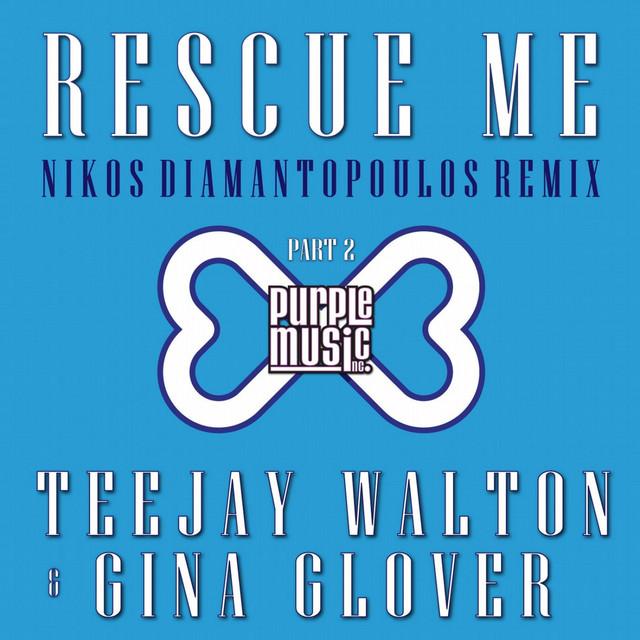
Klaide

Electronic
House
Disco house
Deep House
 Viberate Rank: 485921
 Viberate Rank: 485921
 Monthly ListenersFollowers
 Subscribers
 Followers
 Followers
 FansTop Spotify SongsTop YouTube VideosMonthly ListenersFeatured in Playlists
| Playlist | Followers | |
|---|---|---|
1 |  Soulful House & Deep Soulful Rihards Grīslis | 7.07K |
2 | Deep House Old School guidodipace | 2.70K |
3 | Tropical Disco Records Tropical Disco Records | 2.37K |
4 |  Sax On The Beach medina | 1.91K |
5 |  SOUL LOUNGE Deejay Jerome | 1.46K |
Audience| City | Monthly Listeners | |
|---|---|---|
1 | | 14 |
2 | | 12 |
3 |  | 11 |
4 |  | 9 |
5 | | 8 |
See full performance history, audience data, playlist activity, rankings, comparisons, and more in Viberate music analytics. Start with a free trial, then continue with a paid plan.
Klaide’s Spotify BioVincenzo Turino Sossio, Klaide in art, as a child falls in love with music thanks to his father who is still a great fan of music. He’s the one who teaches Klaide the beautiful art of the DJ.
In 1996 Klaide starts performing in small clubs of his hometown, Bari. Flanked by his teacher and friend Antonello Scocca, Klaide performs in front of an audience for the first time on October 31 st, 1996 in a well-known club in the city, thus transmitting for the first time his love for music with two turntables and a few vinyls.
Klaide decides to make this passion grow, collecting vinyls of various musical genres, performing in the most important clubs and with a wider audience. Then, he decides to improve his technique and he wants to turn his hobby into a business. After playing in many clubs of his town, he decides to start a new project in London, in 2009.
During his period in England, suddenly Klaide stands out and he plays in two well-known clubs in the city: Cafe de Paris and Aquarium. In… this short time, he decides to dive into the world of music starting to produce and to form his own musical style.
In 2012 the first record contract with the note label Purple Music comes out and his first release with this label is called "Don’t Look Any Further" which becomes a real smash. Later on, he gets different releases on other labels as important as Soundmen On Wax, King Street Sounds NYC, Lapsus Music and Deeptown Traxx and Nox Music
Viberate is a music analytics platform built for A&Rs, artist managers, labels, booking agents, marketers, and artists.
It helps music professionals track artist growth, analyze audience data, monitor playlist activity, compare artists, follow song performance, and identify opportunities across the music market.
Public artist pages provide a free preview of selected artist data. Paid plans provide access to deeper analytics, historical data, charts, comparisons, playlist tools, exports, alerts, reports, and additional professional features.
Yes. Public Viberate artist pages provide selected artist analytics and music data for free.
Viberate also offers a 7-day free trial of the full platform. A credit card is required to start the trial. The trial includes access to the complete product so users can test deeper artist analytics, historical views, playlist insights, comparisons, charts, exports, alerts, and reporting features before choosing a paid plan.
Viberate provides artist analytics across streaming, playlists, social media, video, radio airplay, songs, and audience markets.
Users can analyze Spotify performance, Spotify and Apple Music playlists, YouTube activity, TikTok and Instagram growth, radio spins, song performance, audience locations, demographics, rankings, and overall artist momentum.
Artist profiles also connect to music charts, similar artists, and comparison tools, helping users benchmark performance and evaluate artists in context.
Viberate updates key artist and track data daily.
For followed artists and tracks, selected data is refreshed multiple times per day. This helps teams monitor playlist changes, streaming movement, audience growth, releases, and campaign performance with more current data.
Update frequency can vary depending on the metric and data source.
Yes. Viberate lets users compare up to five artists side by side across streaming, social media, audience, and engagement metrics.
Users can compare fanbase growth, audience demographics, locations, Spotify performance, social metrics, and other artist data over selected time periods.
Artist comparison can be used for A&R scouting, benchmarking, booking decisions, campaign planning, and evaluating artists with similar audiences or market positions.