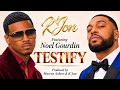
K'Jon

R&B
Contemporary R&B
Neo Soul
 Viberate Rank: 63140
 Viberate Rank: 63140
 Monthly ListenersFollowers
 Subscribers
 Followers
 Followers
 FansTop Spotify Songs
| Track | 7-Day Streams | |
|---|---|---|
1 | 61.92K | |
2 | 16.13K | |
3 | 6.33K | |
4 | 2.75K | |
5 | 1.18K |
Top YouTube VideosMonthly ListenersFeatured in Playlists| Playlist | Followers | |
|---|---|---|
1 |  Rápido y Furioso 1 2 3 4 5 6 7 8 9 10 Owen Bañuelos | 241.38K |
2 | Fast and Furious (The best of) Helder Monteiro | 42.14K |
3 | 1233141917 | 28.98K |
4 | Lil Peso Soft | 27.73K |
5 | R&B/Old School Ruth Park | 27.37K |
Audience| City | Monthly Listeners | |
|---|---|---|
1 | | 6.35K |
2 | | 4.55K |
3 | | 4.05K |
4 | | 3.27K |
5 | | 3.10K |
See full performance history, audience data, playlist activity, rankings, comparisons, and more in Viberate music analytics. Start with a free trial, then continue with a paid plan.
K'Jon’s Spotify BioDetroit-based singer and songwriter K'Jon was first exposed on the airwaves of his city in 2001 with "My Shorty," a single spun prominently by a couple local R&B stations. The modest hometown success led to a spot on the soundtrack for the 2003 movie 2 Fast 2 Furious, with the laid-back and Latin-flavored "Miami." K'Jon collaborated with several artists on Ludacris' Disturbing tha Peace label, including Shareefa, for whom he co-wrote three tracks that appeared on the 2006 album Point of No Return. At the same time, he was continuing to build his reputation as a solo artist. "Yes Sir" repeated his Detroit radio success and preceded his debut album, the independently released This Is Me, issued around the same time as Shareefa's set. The Ballroom Xplosion, another independent disc, followed in 2007, and it featured the single "On the Ocean," his greatest success to date, which led to a major-label deal with Universal Republic. Released nationally in 2009, "On the Ocean" peaked at number… 12 on Billboard's Hot R&B/Hip Hop Songs chart and appeared on I Get Around. A 2011 Universal Republic single, "Good Morning," failed to break the same chart's Top 70, and a planned album, Oxygen, was delayed multiple times and never reached shelves. K'Jon subsequently signed to Shanachie, where he released Moving On in April 2012. ~ Andy Kellman, Rovi
Viberate is a music analytics platform built for A&Rs, artist managers, labels, booking agents, marketers, and artists.
It helps music professionals track artist growth, analyze audience data, monitor playlist activity, compare artists, follow song performance, and identify opportunities across the music market.
Public artist pages provide a free preview of selected artist data. Paid plans provide access to deeper analytics, historical data, charts, comparisons, playlist tools, exports, alerts, reports, and additional professional features.
Yes. Public Viberate artist pages provide selected artist analytics and music data for free.
Viberate also offers a 7-day free trial of the full platform. A credit card is required to start the trial. The trial includes access to the complete product so users can test deeper artist analytics, historical views, playlist insights, comparisons, charts, exports, alerts, and reporting features before choosing a paid plan.
Viberate provides artist analytics across streaming, playlists, social media, video, radio airplay, songs, and audience markets.
Users can analyze Spotify performance, Spotify and Apple Music playlists, YouTube activity, TikTok and Instagram growth, radio spins, song performance, audience locations, demographics, rankings, and overall artist momentum.
Artist profiles also connect to music charts, similar artists, and comparison tools, helping users benchmark performance and evaluate artists in context.
Viberate updates key artist and track data daily.
For followed artists and tracks, selected data is refreshed multiple times per day. This helps teams monitor playlist changes, streaming movement, audience growth, releases, and campaign performance with more current data.
Update frequency can vary depending on the metric and data source.
Yes. Viberate lets users compare up to five artists side by side across streaming, social media, audience, and engagement metrics.
Users can compare fanbase growth, audience demographics, locations, Spotify performance, social metrics, and other artist data over selected time periods.
Artist comparison can be used for A&R scouting, benchmarking, booking decisions, campaign planning, and evaluating artists with similar audiences or market positions.