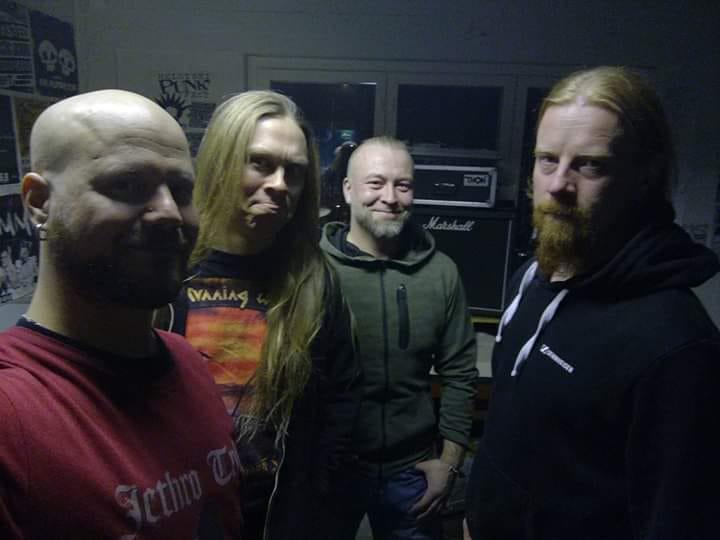
Kiuas

Metal
Power Metal
Progressive Metal
Folk Metal
 Viberate Rank: 174510
 Viberate Rank: 174510
 Monthly ListenersFollowers
 Subscribers
 Followers
 Followers
 FansTop Spotify Songs
| Track | 7-Day Streams | |
|---|---|---|
1 | 1.27K | |
2 | 397 | |
3 | 397 | |
4 | 341 | |
5 | 242 |
Top YouTube VideosMonthly ListenersFeatured in Playlists| Playlist | Followers | |
|---|---|---|
1 |  Power Speed and Metal Chris Entonie | 38.53K |
2 |  Symphonic Metal Diron Donadel | 22.05K |
3 | Melodic Metal & Rock arctic4x | 5.59K |
4 |  Waves of Electric Fire - Metal Blossora | 4.83K |
5 |  Best of Power Metal rikkukun | 2.64K |
Audience| City | Monthly Listeners | |
|---|---|---|
1 | | 736 |
2 | | 138 |
3 | | 105 |
4 | | 83 |
5 | | 60 |
See full performance history, audience data, playlist activity, rankings, comparisons, and more in Viberate music analytics. Start with a free trial, then continue with a paid plan.
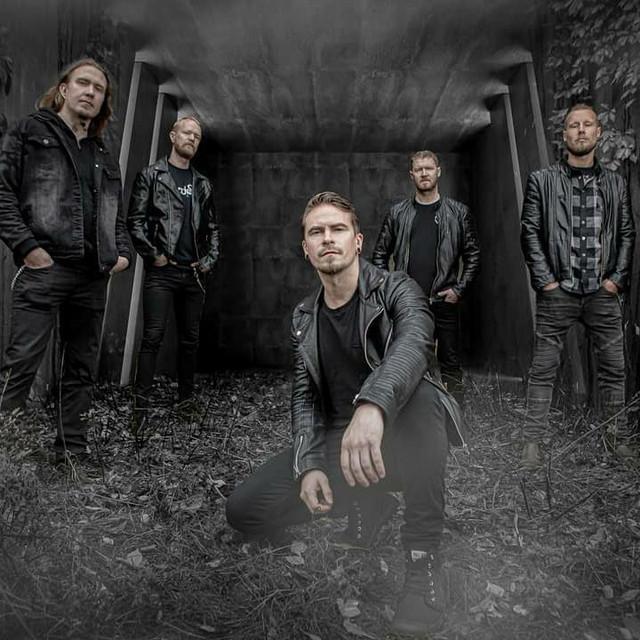
Kiuas’ Spotify BioKiuas - supercharhed metal supremacy from Finland. Formed in the year 2000 by singer Ilja Jalkanen, guitarist Mikko Salovaara, keyboardist Atte Tanskanen, bassist Teemu Tuominen, and drummer Markku Näreneva. Kiuas is influenced by a myriad of heavy metal styles, including thrash, power, and even folk strains.
Kiuas saga started with their debut album “The Spirit of Ukko”, an album paying homage to the Finnish Zeus: Ukko, the mightiest one! Springtime of 2005 saw the release of this melodic, aggressive and graceful debut that, not naming any influences, bore a streak of tantalizing resemblances to some good old metal bands.
The recordings of “Reformation” were begun at the Sonic Pump Studios in Winter 2006, in Helsinki. Reformation hit the 21st place on the official finnish Top40 chart.
Kiuas´ third full-length album “The New Dark Age” was released on March 2008. The album hit the 10th place on the official finnish album chart. The song “Of Sacrifice, Loss and Reward” was also released as… a SINGLE in Finland. The single hit the 1st place on the official finnish single chart.
A 10-track affair ‘Lustdriven’ sees the Finnish five-piece further creating a signature style that draws from a broad range of influences; these include both power metal & prog, with death, symphonic & folk metal also playing a part, the whole thing topped off with a healthy sprinkling of myth & legend, plus the soul-stirring vocals of high-energy frontman Ilja Jalkanen.
https://linktr.ee/kiuas
Viberate is a music analytics platform built for A&Rs, artist managers, labels, booking agents, marketers, and artists.
It helps music professionals track artist growth, analyze audience data, monitor playlist activity, compare artists, follow song performance, and identify opportunities across the music market.
Public artist pages provide a free preview of selected artist data. Paid plans provide access to deeper analytics, historical data, charts, comparisons, playlist tools, exports, alerts, reports, and additional professional features.
Yes. Public Viberate artist pages provide selected artist analytics and music data for free.
Viberate also offers a 7-day free trial of the full platform. A credit card is required to start the trial. The trial includes access to the complete product so users can test deeper artist analytics, historical views, playlist insights, comparisons, charts, exports, alerts, and reporting features before choosing a paid plan.
Viberate provides artist analytics across streaming, playlists, social media, video, radio airplay, songs, and audience markets.
Users can analyze Spotify performance, Spotify and Apple Music playlists, YouTube activity, TikTok and Instagram growth, radio spins, song performance, audience locations, demographics, rankings, and overall artist momentum.
Artist profiles also connect to music charts, similar artists, and comparison tools, helping users benchmark performance and evaluate artists in context.
Viberate updates key artist and track data daily.
For followed artists and tracks, selected data is refreshed multiple times per day. This helps teams monitor playlist changes, streaming movement, audience growth, releases, and campaign performance with more current data.
Update frequency can vary depending on the metric and data source.
Yes. Viberate lets users compare up to five artists side by side across streaming, social media, audience, and engagement metrics.
Users can compare fanbase growth, audience demographics, locations, Spotify performance, social metrics, and other artist data over selected time periods.
Artist comparison can be used for A&R scouting, benchmarking, booking decisions, campaign planning, and evaluating artists with similar audiences or market positions.