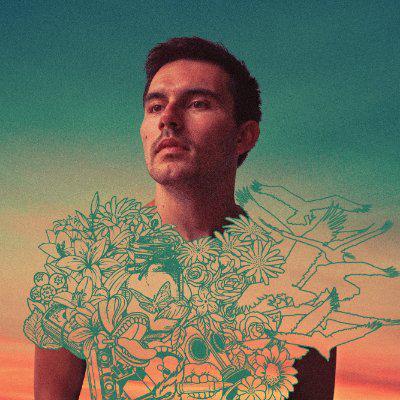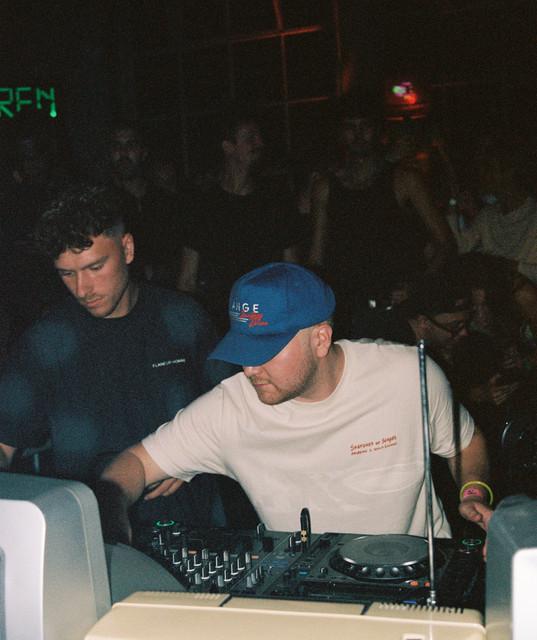
Kislaw

Electronic
Dance
Trap/Future Bass
 Viberate Rank: 327610
 Viberate Rank: 327610
 Monthly ListenersFollowers
 Subscribers
 Followers
 Followers
 FansTop Spotify Songs
| Track | 7-Day Streams | |
|---|---|---|
1 | 683 | |
2 | 519 | |
3 | 181 | |
4 | 151 | |
5 | 119 |
Top YouTube Videos| Video | 7-Day Views | |
|---|---|---|
1 | 18 | |
2 | 15 | |
3 | 9 | |
4 | 5 | |
5 | 3 |
Monthly ListenersFeatured in Playlists| Playlist | Followers | |
|---|---|---|
1 |  Christian Dance Spotify | 242.13K |
2 |  I'm a rap fan but these house songs slap. putyouon. by Steve Cardigan | 189.29K |
3 |  Club Music 2026 | House, Tech House, Deep house, Club, Lofi House Unity Records | 72.44K |
4 | Future Bass / Chill Trap sushibomberz | 43.61K |
5 |  Workout & Running 2026 Unity Records | 40.67K |
Audience| City | Monthly Listeners | |
|---|---|---|
1 |  | 80 |
2 |  | 77 |
3 |  | 73 |
4 | | 67 |
5 | | 67 |
See full performance history, audience data, playlist activity, rankings, comparisons, and more in Viberate music analytics. Start with a free trial, then continue with a paid plan.
Kislaw’s Spotify BioKislaw makes electronic music that doesn’t try to impress, it tries to connect. Rooted in R&B, UK sounds, and a certain pop sensitivity, his tracks are built on texture, space, and emotion. There’s no flash, no formula, just grooves that stick with you, melodies that say more by holding back, and a desire to make people feel something real.
It all started when he was 12, he didn’t understand how the music was made, but he knew he wanted to be part of it. Since then, he’s been exploring that feeling, chasing the tension between rhythm and emotion, body and atmosphere. He often composes while watching images: a film scene, a photograph, a passing light. For him, a track has to live in the imagination before it lives in sound.
His sound draws from UK rave culture, with a deep love for Speed Garage, UKG, and the emotional charge that runs through those genres. Artists like Salute and Sammy Virji have been key inspirations, not just for their sound design, but for the way they blur the line… between club energy and introspective feeling.
Kislaw’s music speaks to people who want more than just the drop. To those who dance to remember, not to forget. To anyone who’s ever found comfort in a song that doesn’t quite resolve, but lingers, softly, long after it ends.
Viberate is a music analytics platform built for A&Rs, artist managers, labels, booking agents, marketers, and artists.
It helps music professionals track artist growth, analyze audience data, monitor playlist activity, compare artists, follow song performance, and identify opportunities across the music market.
Public artist pages provide a free preview of selected artist data. Paid plans provide access to deeper analytics, historical data, charts, comparisons, playlist tools, exports, alerts, reports, and additional professional features.
Yes. Public Viberate artist pages provide selected artist analytics and music data for free.
Viberate also offers a 7-day free trial of the full platform. A credit card is required to start the trial. The trial includes access to the complete product so users can test deeper artist analytics, historical views, playlist insights, comparisons, charts, exports, alerts, and reporting features before choosing a paid plan.
Viberate provides artist analytics across streaming, playlists, social media, video, radio airplay, songs, and audience markets.
Users can analyze Spotify performance, Spotify and Apple Music playlists, YouTube activity, TikTok and Instagram growth, radio spins, song performance, audience locations, demographics, rankings, and overall artist momentum.
Artist profiles also connect to music charts, similar artists, and comparison tools, helping users benchmark performance and evaluate artists in context.
Viberate updates key artist and track data daily.
For followed artists and tracks, selected data is refreshed multiple times per day. This helps teams monitor playlist changes, streaming movement, audience growth, releases, and campaign performance with more current data.
Update frequency can vary depending on the metric and data source.
Yes. Viberate lets users compare up to five artists side by side across streaming, social media, audience, and engagement metrics.
Users can compare fanbase growth, audience demographics, locations, Spotify performance, social metrics, and other artist data over selected time periods.
Artist comparison can be used for A&R scouting, benchmarking, booking decisions, campaign planning, and evaluating artists with similar audiences or market positions.