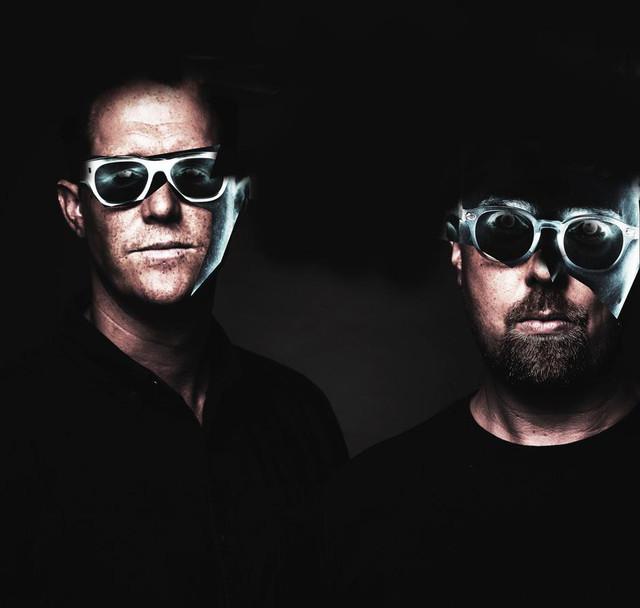
KiNK

Electronic
Tech House
House
Other Electronic Music
 Viberate Rank: 46991
 Viberate Rank: 46991
 Monthly ListenersFollowers
 Subscribers
 Followers
 Followers
 FansTop Spotify Songs
| Track | 7-Day Streams | |
|---|---|---|
1 | 7.37K | |
2 | 5.77K | |
3 | 5.31K | |
4 | 3.78K | |
5 | 3.64K |
Top YouTube VideosMonthly ListenersFeatured in Playlists| Playlist | Followers | |
|---|---|---|
1 |  Boris Brejcha's track IDs Spotify | 248.44K |
2 |  Flume - Hi This Is Playlist Flume | 145.39K |
3 |  Minimal Techno alekzanther | 127.23K |
4 |  TECH HOUSE Island Beats | 118.53K |
5 | Study - Techno/House (No Vocal) Pawel Jasik | 68.47K |
Audience| City | Monthly Listeners | |
|---|---|---|
1 |  | 3.89K |
2 |  | 3.78K |
3 | | 2.81K |
4 |  | 2.07K |
5 |  | 1.46K |
See full performance history, audience data, playlist activity, rankings, comparisons, and more in Viberate music analytics. Start with a free trial, then continue with a paid plan.
KiNK’s Spotify BioBulgarian techno producer and DJ KiNK (Strahil Velchev) is highly celebrated for his dynamic, spontaneous live performances during which he commands an army of analog synthesizers and controllers in real time. His numerous recordings are both playful and experimental, effortlessly switching between house, techno, and acid, informed by the improvisatory spirit of jazz as well as the energetic rush of the early rave scene. Since his work began attracting international attention around 2008, he has performed at a never-ending list of clubs and festivals across the world, and has remixed tracks by Trentemøller, Nina Kraviz, Matthew Dear, and countless others. His extensive discography, with releases on labels like Ovum, Rush Hour, and Running Back, includes crowd-pleasing techno anthems such as 2015's "Cloud Generator" as well as eclectic, experimental full-lengths like 2017's Playground. He launched Sofia Records in 2018, and steadily released EPs through the label, including 2022's… exhilarating Hyper Epic.
Growing up in Sofia, Bulgaria, Velchev was completely disconnected from any major club scene. He spent his teens admiring dance music and rave culture from a distance, and by his early twenties, he began making music with synthesizers and software, forging his own style informed by the Detroit, Chicago, and U.K. sounds he had become obsessed with. In 2001, Velchev co-founded pBPM (Porno BPM), a collective of producers and DJs dedicated to promoting shows and releasing music by local electronic artists. As KiNK, Velchev began releasing acid-influenced 12" singles in 2005, and released two records with Berlin-based minimal techno producer Stefan Goldmann under the name Vinyl, but his initial collaborations with U.K.-based Neville Watson helped put him on the map in 2008. "Inside Out" and "Full Flight" were both released by Rush Hour imprint Hour House Is Your Rush Records that year, and KiNK began traveling abroad to perform, landing a gig at Berlin's Panorama Bar in 2009.
From there, KiNK greatly increased his touring schedule, and released well-received singles and EPs on labels like Undertones, Ovum Recordings, and Sharivari Records. While his records with Watson typically stuck to straightforward acid house, his solo recordings were often much more experimental, with 2010's Aphex KiNK nodding to one of his major influences. Additional solo releases as well as collaborations with Marc Romboy, Catz 'N Dogz, and Sierra Sam led up to 2014's Under Destruction, KiNK's full-length debut, which contained some of his most abstract work to date.
One of KiNK's most popular tracks, "Cloud Generator," appeared on Gerd Janson's Running Back label in 2015. He released collaborations with Elektro Guzzi and Fabrice Lig, and additional solo 12"s on Pets Recordings, Royal Oak, and DGTL Records. In 2017, he returned to Running Back for his second album, Playground, which featured tracks ranging from sunny filter-disco to splintered, wobbly IDM. Live at Cocoon Ibiza, an audio document of one of his lauded performances, was released by Cocoon in 2018. Rave throwback Piano Power appeared on Running Back in 2019, with Home inaugurating KiNK's Sofia Records a few months later. Both releases featured vocals by regular collaborator Rachel Row. A trio of EPs (Nagore, Pista, and Toplo) appeared in 2020. Clap on 2 was released in 2021, and Hyper Epic, a set of higher BPM tracks, arrived in 2022. ~ Paul Simpson, Rovi
Viberate is a music analytics platform built for A&Rs, artist managers, labels, booking agents, marketers, and artists.
It helps music professionals track artist growth, analyze audience data, monitor playlist activity, compare artists, follow song performance, and identify opportunities across the music market.
Public artist pages provide a free preview of selected artist data. Paid plans provide access to deeper analytics, historical data, charts, comparisons, playlist tools, exports, alerts, reports, and additional professional features.
Yes. Public Viberate artist pages provide selected artist analytics and music data for free.
Viberate also offers a 7-day free trial of the full platform. A credit card is required to start the trial. The trial includes access to the complete product so users can test deeper artist analytics, historical views, playlist insights, comparisons, charts, exports, alerts, and reporting features before choosing a paid plan.
Viberate provides artist analytics across streaming, playlists, social media, video, radio airplay, songs, and audience markets.
Users can analyze Spotify performance, Spotify and Apple Music playlists, YouTube activity, TikTok and Instagram growth, radio spins, song performance, audience locations, demographics, rankings, and overall artist momentum.
Artist profiles also connect to music charts, similar artists, and comparison tools, helping users benchmark performance and evaluate artists in context.
Viberate updates key artist and track data daily.
For followed artists and tracks, selected data is refreshed multiple times per day. This helps teams monitor playlist changes, streaming movement, audience growth, releases, and campaign performance with more current data.
Update frequency can vary depending on the metric and data source.
Yes. Viberate lets users compare up to five artists side by side across streaming, social media, audience, and engagement metrics.
Users can compare fanbase growth, audience demographics, locations, Spotify performance, social metrics, and other artist data over selected time periods.
Artist comparison can be used for A&R scouting, benchmarking, booking decisions, campaign planning, and evaluating artists with similar audiences or market positions.