Kings Go Forth

R&B
Funk
Retro Soul
 Viberate Rank: 297972
 Viberate Rank: 297972
 Monthly ListenersFollowers
 Subscribers
 Followers
 Followers
 FansTop Spotify Songs
| Track | 7-Day Streams | |
|---|---|---|
1 | 2.98K | |
2 | 1.05K | |
3 | 512 | |
4 | 112 | |
5 | 85 |
Top YouTube VideosMonthly ListenersFeatured in Playlists| Playlist | Followers | |
|---|---|---|
1 |  I Love My 00s Funk Spotify | 79.13K |
2 | Ignatious Pop 1 | 51.43K |
3 |  Indications' Inspirations Durand Jones & The Indications | 35.68K |
4 |  Acid Jazz Funk Kris Leenaers | 17.33K |
5 | Weltkino Filmverleih | 11.11K |
Audience| City | Monthly Listeners | |
|---|---|---|
1 |  | 268 |
2 | | 199 |
3 |  | 168 |
4 | | 156 |
5 | | 144 |
See full performance history, audience data, playlist activity, rankings, comparisons, and more in Viberate music analytics. Start with a free trial, then continue with a paid plan.
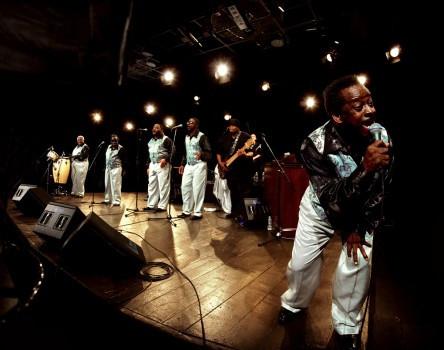
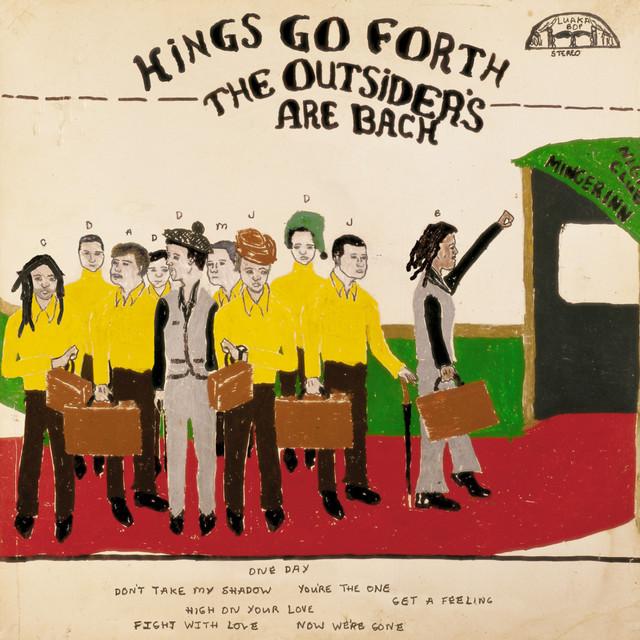
Kings Go Forth’s Spotify BioAfter spending years lamenting the lack of soulful vocal harmonies in the deep funk revival, Andy Noble (owner of Lotus Land Records in Milwaukee, WI) decided to bring back the sounds of the '70s. In 2007, Kings Go Forth was born, pulling together some of the best talent Milwaukee had to offer. The ten-piece lineup consisted of Noble on bass, Dan Flynn (guitar), Jeremy Kuzniar (drums), Dave Cusma (trombone), Jed Groser (trumpet), Dave Wake (keyboards), Cecilio Negron, Jr. (percussion), and singers Danny Fernandez, Matt Nordberg, and Black Wolf. Putting their own twist on the funk/soul revivalism of Sharon Jones and Amy Winehouse, the band uses their trio of singers to resurrect the classic vocal harmonies of Philly soul. The band quickly became the darlings of their local music scene, and after releasing a couple of 7” singles, signed to David Byrne’s Luaka Bop label. In 2010, Kings Go Forth released their full-length debut, The Outsiders Are Back. ~ Gregory Heaney, Rovi
Viberate is a music analytics platform built for A&Rs, artist managers, labels, booking agents, marketers, and artists.
It helps music professionals track artist growth, analyze audience data, monitor playlist activity, compare artists, follow song performance, and identify opportunities across the music market.
Public artist pages provide a free preview of selected artist data. Paid plans provide access to deeper analytics, historical data, charts, comparisons, playlist tools, exports, alerts, reports, and additional professional features.
Yes. Public Viberate artist pages provide selected artist analytics and music data for free.
Viberate also offers a 7-day free trial of the full platform. A credit card is required to start the trial. The trial includes access to the complete product so users can test deeper artist analytics, historical views, playlist insights, comparisons, charts, exports, alerts, and reporting features before choosing a paid plan.
Viberate provides artist analytics across streaming, playlists, social media, video, radio airplay, songs, and audience markets.
Users can analyze Spotify performance, Spotify and Apple Music playlists, YouTube activity, TikTok and Instagram growth, radio spins, song performance, audience locations, demographics, rankings, and overall artist momentum.
Artist profiles also connect to music charts, similar artists, and comparison tools, helping users benchmark performance and evaluate artists in context.
Viberate updates key artist and track data daily.
For followed artists and tracks, selected data is refreshed multiple times per day. This helps teams monitor playlist changes, streaming movement, audience growth, releases, and campaign performance with more current data.
Update frequency can vary depending on the metric and data source.
Yes. Viberate lets users compare up to five artists side by side across streaming, social media, audience, and engagement metrics.
Users can compare fanbase growth, audience demographics, locations, Spotify performance, social metrics, and other artist data over selected time periods.
Artist comparison can be used for A&R scouting, benchmarking, booking decisions, campaign planning, and evaluating artists with similar audiences or market positions.