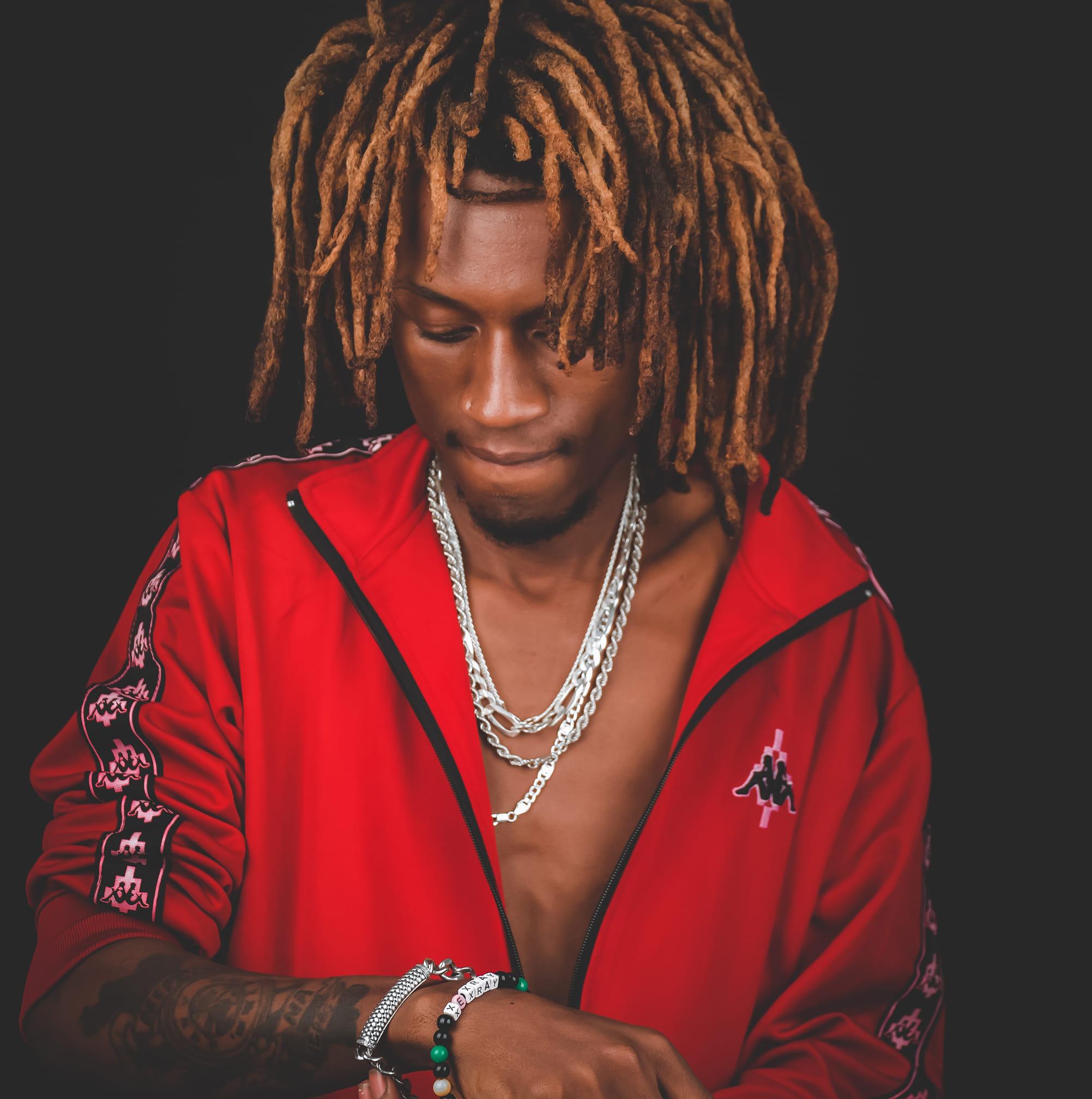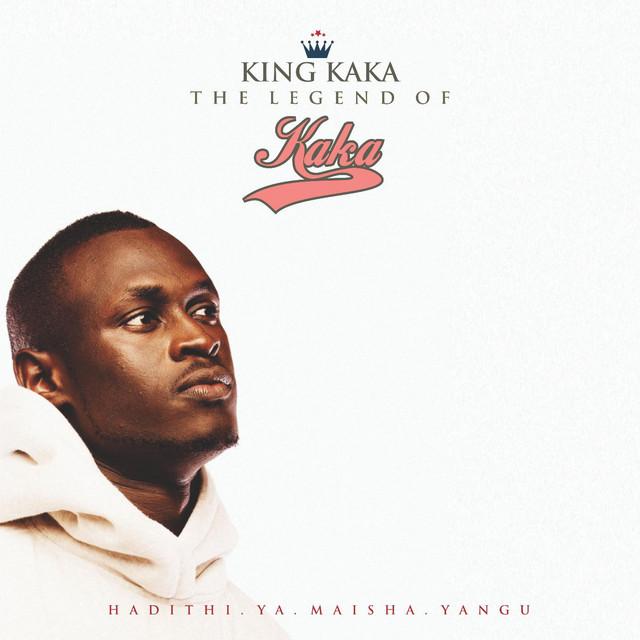
King Kaka

Hip Hop
Contemporary Hip Hop
Gengetone
 Viberate Rank: 11129
 Viberate Rank: 11129
 Monthly ListenersFollowers
 Subscribers
 Followers
 Followers
 FansTop Spotify Songs
| Track | 7-Day Streams | |
|---|---|---|
1 | 11.56K | |
2 | 10.09K | |
3 | 3.66K | |
4 | 3.47K | |
5 | 3.02K |
Top YouTube Videos| Video | 7-Day Views | |
|---|---|---|
1 | 92.93K | |
2 | 48.50K | |
3 | 11.82K | |
4 | 10.69K | |
5 | 8.20K |
Monthly ListenersFeatured in Playlists| Playlist | Followers | |
|---|---|---|
1 |  Made In Kenya Spotify | 54.95K |
2 |  254 Flow Spotify | 26.21K |
3 |  BEST OF WAKADINALI Darklight | 24.59K |
4 |  Kenyan Hits Playlist 🇰🇪 Kenyan Top 100 🔥 Kenyan Music 2026 GandaChartsRadar | 22.47K |
5 |  City Express Spotify | 19.13K |
Audience| City | Monthly Listeners | |
|---|---|---|
1 | | 52.55K |
2 | | 1.80K |
3 |  | 1.72K |
4 | | 884 |
5 | | 804 |
See full performance history, audience data, playlist activity, rankings, comparisons, and more in Viberate music analytics. Start with a free trial, then continue with a paid plan.
King Kaka’s Spotify BioOne of Kenya's most prominent rappers through such late-2010s and early-2020s projects as Legend of Kaka (2016) and The Servant & the King (2020), King Kaka has been active since the first decade of 2000s, when he made his full-length debut under the alias Rabbit. The multilingual MC and spoken word artist -- who writes about personal, political, and lighter everyday subjects -- has raised his profile on a global scale with collaborations featuring Jorma Taccone (of the Lonely Island), Tracy Morgan, and Talib Kweli.
Born Kennedy Tarriq Ombima, the Nairobi native established himself as a spoken word artist and released his full-length debut as Rabbit, Tales of Kaka Sungura, in 2008. Three years later, through a project funded by the San Francisco-based travel magazine AFAR, Lonely Island member Jorma Taccone visited Nairobi and through a recommendation met with Ombima, and the two worked together on a track and video.
Although he continued to record and perform as Rabbit across the next… few years, Ombima eventually started going by King Kaka, and recorded with greater frequency. During the latter half of the 2010s, he issued Legend of Kaka, It's the King, Orutu Ya Masudi, and Eastlando Royalty, highly collaborative full-lengths with appearances from a wide variety of singers, rappers, and other personalities. The last in that series alone contained contributions from Tracy Morgan, Talib Kweli, and Romain Virgo. Near the end of 2019, Kaka released "Wajinga Nyinyi," in which the artist was critical of conditions in Kenya. Kaka claimed that he received political pressure and anonymous death threats in response, but the extended spoken word piece nonetheless became the lead song of the 2020 album The Servant & the King. Among the guests were Xenia Manasseh, Raheem DeVaughn, and Kwesi Arthur. ~ Andy Kellman, Rovi
Viberate is a music analytics platform built for A&Rs, artist managers, labels, booking agents, marketers, and artists.
It helps music professionals track artist growth, analyze audience data, monitor playlist activity, compare artists, follow song performance, and identify opportunities across the music market.
Public artist pages provide a free preview of selected artist data. Paid plans provide access to deeper analytics, historical data, charts, comparisons, playlist tools, exports, alerts, reports, and additional professional features.
Yes. Public Viberate artist pages provide selected artist analytics and music data for free.
Viberate also offers a 7-day free trial of the full platform. A credit card is required to start the trial. The trial includes access to the complete product so users can test deeper artist analytics, historical views, playlist insights, comparisons, charts, exports, alerts, and reporting features before choosing a paid plan.
Viberate provides artist analytics across streaming, playlists, social media, video, radio airplay, songs, and audience markets.
Users can analyze Spotify performance, Spotify and Apple Music playlists, YouTube activity, TikTok and Instagram growth, radio spins, song performance, audience locations, demographics, rankings, and overall artist momentum.
Artist profiles also connect to music charts, similar artists, and comparison tools, helping users benchmark performance and evaluate artists in context.
Viberate updates key artist and track data daily.
For followed artists and tracks, selected data is refreshed multiple times per day. This helps teams monitor playlist changes, streaming movement, audience growth, releases, and campaign performance with more current data.
Update frequency can vary depending on the metric and data source.
Yes. Viberate lets users compare up to five artists side by side across streaming, social media, audience, and engagement metrics.
Users can compare fanbase growth, audience demographics, locations, Spotify performance, social metrics, and other artist data over selected time periods.
Artist comparison can be used for A&R scouting, benchmarking, booking decisions, campaign planning, and evaluating artists with similar audiences or market positions.