King Critical

Country
Contemporary Country
Alternative Hip Hop
 Viberate Rank: 135429
 Viberate Rank: 135429
 Monthly ListenersFollowers
 Subscribers
 Followers
 Followers
 FansTop Spotify Songs
| Track | 7-Day Streams | |
|---|---|---|
1 | 4.97K | |
2 | 3.59K | |
3 | 2.37K | |
4 | 324 | |
5 | 276 |
Top YouTube Videos| Video | 7-Day Views | |
|---|---|---|
1 | 865 | |
2 | 474 | |
3 | 428 | |
4 | 322 | |
5 | 189 |
Monthly ListenersFeatured in Playlists| Playlist | Followers | |
|---|---|---|
1 | zzacharymattson | 159.97K |
2 | Rap 2020 🔥 ithompson1987 | 145.84K |
3 |  New Rap 2021 D Media | 118.25K |
4 |  🥴Lockdown Nostalgia😚 Bellz🥴 | 111.89K |
5 |  HIGH BASS BOOSTED SONGS ESKORIA | 97.26K |
Audience| City | Monthly Listeners | |
|---|---|---|
1 |  | 575 |
2 |  | 377 |
3 | | 237 |
4 |  | 226 |
5 | | 219 |
See full performance history, audience data, playlist activity, rankings, comparisons, and more in Viberate music analytics. Start with a free trial, then continue with a paid plan.
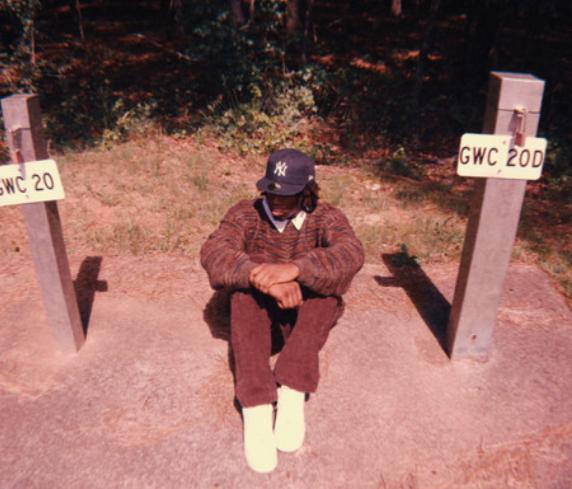
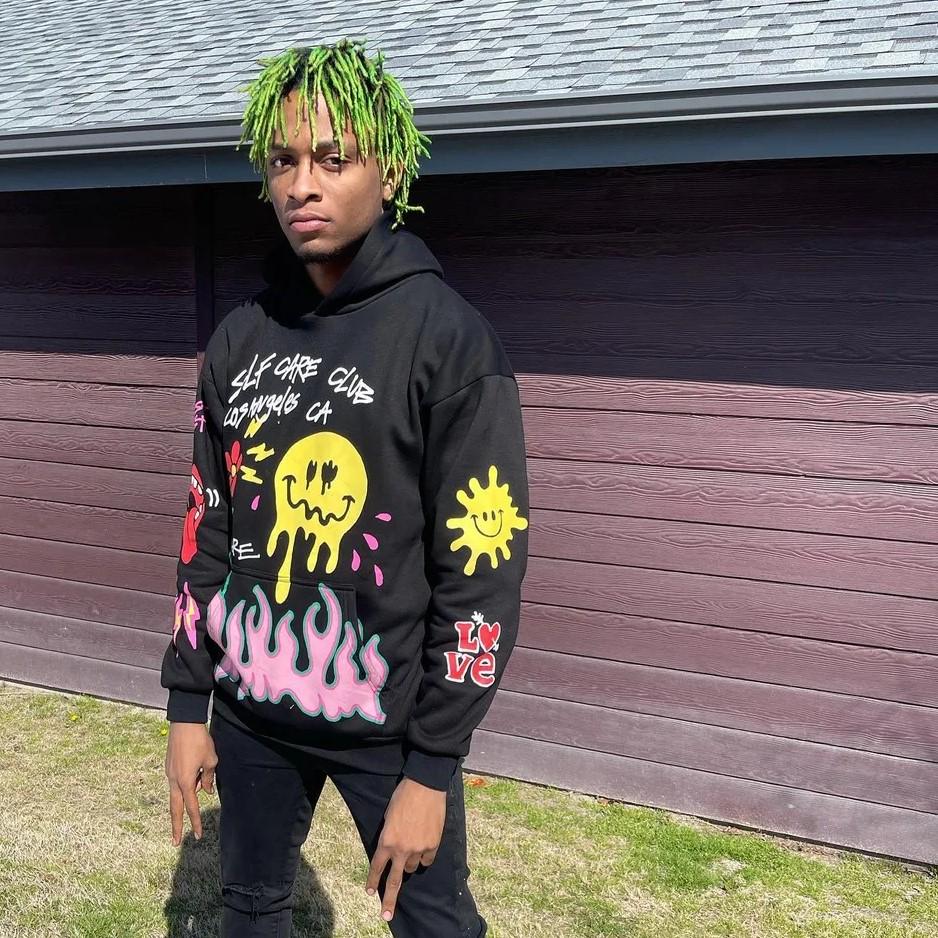
King Critical’s Spotify BioWith roots in Humboldt, Tennessee and a grind sharpened in Texas, King Critical is carving out his lane as both a rapper and cultural force. Known for blending rap melodies with viral dance moments, he first broke onto the global stage with “Why Is Everything Chrome” — a TikTok phenomenon that inspired 5M+ user-made videos and drew cosigns from Justin Bieber, Shaquille O’Neal, Jason Derulo, and more. The track landed on Spotify’s U.S. and Global Viral Charts, cementing Critical as an innovator at the intersection of music and dance.
Never one to slow down, Critical has kept momentum with records like “True Story,” “Hoova,” and his latest breakout “MLK Flow,” a powerful anthem gaining rapid traction across playlists and algorithmic discovery. With a sound rooted in authenticity, raw energy, and Southern influence, he continues evolving from viral moment to fully realized artist.
What sets Critical apart is his instinct for culture — the same charisma and creative spark that once made him… a standout dancer now fuels his music career. By tapping into trending sounds while staying true to his Tennessee roots, he’s building a loyal fanbase across the South and beyond. With millions of streams already under his belt and new projects on the horizon, King Critical is proving he’s not just a moment — he’s the movement.
Viberate is a music analytics platform built for A&Rs, artist managers, labels, booking agents, marketers, and artists.
It helps music professionals track artist growth, analyze audience data, monitor playlist activity, compare artists, follow song performance, and identify opportunities across the music market.
Public artist pages provide a free preview of selected artist data. Paid plans provide access to deeper analytics, historical data, charts, comparisons, playlist tools, exports, alerts, reports, and additional professional features.
Yes. Public Viberate artist pages provide selected artist analytics and music data for free.
Viberate also offers a 7-day free trial of the full platform. A credit card is required to start the trial. The trial includes access to the complete product so users can test deeper artist analytics, historical views, playlist insights, comparisons, charts, exports, alerts, and reporting features before choosing a paid plan.
Viberate provides artist analytics across streaming, playlists, social media, video, radio airplay, songs, and audience markets.
Users can analyze Spotify performance, Spotify and Apple Music playlists, YouTube activity, TikTok and Instagram growth, radio spins, song performance, audience locations, demographics, rankings, and overall artist momentum.
Artist profiles also connect to music charts, similar artists, and comparison tools, helping users benchmark performance and evaluate artists in context.
Viberate updates key artist and track data daily.
For followed artists and tracks, selected data is refreshed multiple times per day. This helps teams monitor playlist changes, streaming movement, audience growth, releases, and campaign performance with more current data.
Update frequency can vary depending on the metric and data source.
Yes. Viberate lets users compare up to five artists side by side across streaming, social media, audience, and engagement metrics.
Users can compare fanbase growth, audience demographics, locations, Spotify performance, social metrics, and other artist data over selected time periods.
Artist comparison can be used for A&R scouting, benchmarking, booking decisions, campaign planning, and evaluating artists with similar audiences or market positions.