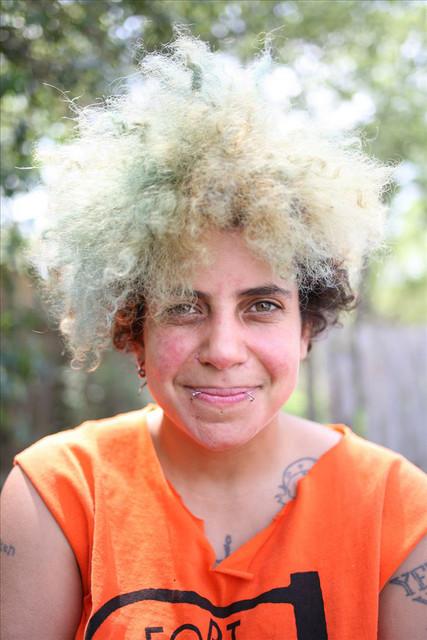
Kimya Dawson

Rock
Folk Rock
Folk Punk
 Viberate Rank: 26784
 Viberate Rank: 26784
 Monthly ListenersFollowers
 Subscribers
 Followers
 Followers
 FansTop Spotify Songs
| Track | 7-Day Streams | |
|---|---|---|
1 | 449.51K | |
2 | 47.53K | |
3 | 29.48K | |
4 | 27.48K | |
5 | 23.85K |
Top YouTube VideosMonthly ListenersFeatured in Playlists| Playlist | Followers | |
|---|---|---|
1 |  Stay in Bed Spotify | 741.55K |
2 |  fall feels Spotify | 207.09K |
3 |  POV UR FALLING IN LOVE🎀💌 kaylee | 129.13K |
4 |  inlove pero english laksii | 95.09K |
5 |  POV: you’re in a edit 𐙚˙⋆.˚ ᡣ𐭩 | 87.34K |
Audience| City | Monthly Listeners | |
|---|---|---|
1 | | 8.57K |
2 | | 8.27K |
3 |  | 7.15K |
4 | | 6.50K |
5 |  | 6.26K |
See full performance history, audience data, playlist activity, rankings, comparisons, and more in Viberate music analytics. Start with a free trial, then continue with a paid plan.
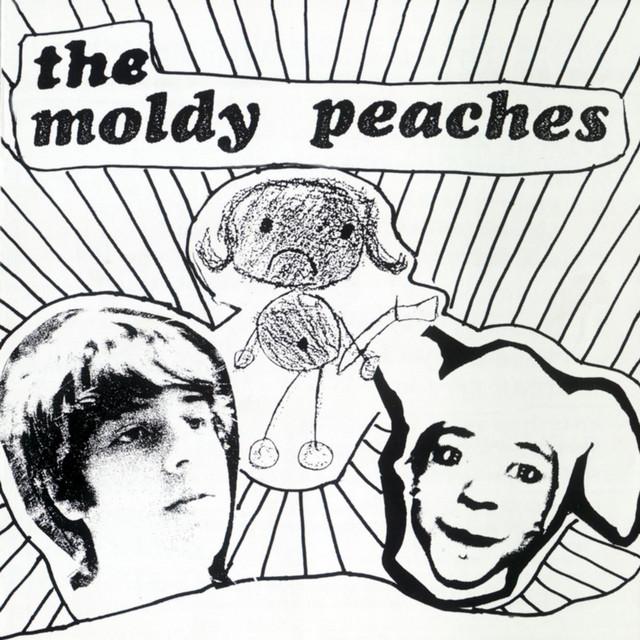
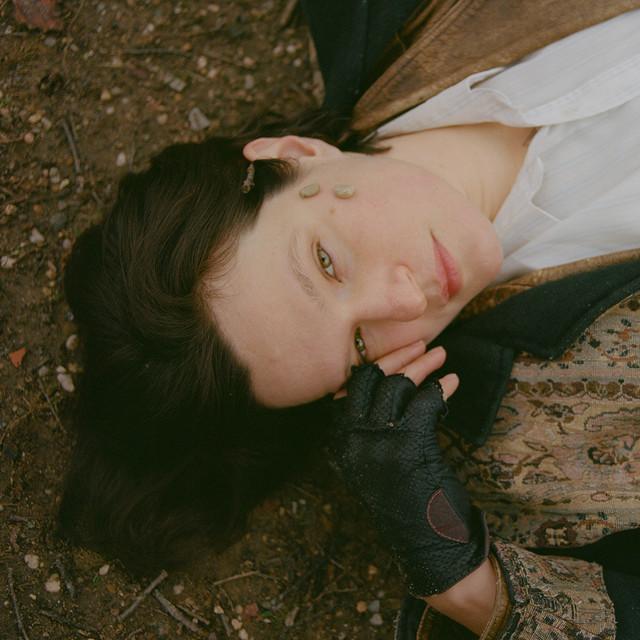
Kimya Dawson’s Spotify BioSinger/songwriter Kimya Dawson is best known for her work with the anti-folk outfit the Moldy Peaches, but she also maintained a lo-fi solo career during the 2000s. She made her solo debut with 2002's I'm Sorry That Sometimes I'm Mean, a collection of spare tunes performed mostly on the acoustic guitar, and continued releasing her own albums after the Moldy Peaches took a hiatus in 2004. Along the way, she contributed eight songs to the chart-topping Juno soundtrack, which brought her music to a wider audience, and made a foray into children's music.
The quirky songwriter was born and raised in Bedford Hills, NY, where her parents ran a day-care center from their home. Dawson and fellow Moldy Peach member Adam Green met in 1995 at a record store in Mt. Kisco, NY, where she worked. For the next four years, Dawson moved back and forth between New York and Washington, but she and Green began writing songs together whenever time allowed. In 1999, Green followed Dawson to Washington, where… they formed the Moldy Peaches. Green returned to New York after a year, with Dawson following later. Eventually, the Moldy Peaches -- now featuring a lineup that included Dawson, Green, drummer Strictly Beats, bassist Steve Mertens, and guitarists Jack Dishel and Toby Goodshank -- began playing the city's anti-folk circuit.
The group released their self-titled debut in 2001 to critical acclaim. All the songs were co-written and sung by both Dawson and Green, and the band toured the States and abroad in support of its release. Dawson also began working with other artists by contributing backing vocals to Ben Kweller's 2002 solo debut, Sha, Sha. Later that same year, the Moldy Peaches began a hiatus of indefinite length when both Dawson and Green's (Garfield) solo albums were released. I'm Sorry That Sometimes I'm Mean was well received by critics, and Dawson embarked on a tour of Europe and the United States.
In 2004, Dawson released two more albums of material culled from her bedroom sessions: Knock-Knock Who? and My Cute Fiend Sweet Princess. Later that year, Hidden Vagenda arrived on K Records. Dawson resurfaced in 2006 with the Kimya Dawson/Matty Pop Chart EP, as well as a full-length album titled Remember That I Love You. Her career took a slight but surprising turn in 2008, when the Juno soundtrack became a multi-platinum success and K Records released her first children's album, Alphabutt, which included the songs "Wiggle My Tooth," "Little Monster Babies," and "Pee Pee in the Potty." ~ Christina Saraceno
Viberate is a music analytics platform built for A&Rs, artist managers, labels, booking agents, marketers, and artists.
It helps music professionals track artist growth, analyze audience data, monitor playlist activity, compare artists, follow song performance, and identify opportunities across the music market.
Public artist pages provide a free preview of selected artist data. Paid plans provide access to deeper analytics, historical data, charts, comparisons, playlist tools, exports, alerts, reports, and additional professional features.
Yes. Public Viberate artist pages provide selected artist analytics and music data for free.
Viberate also offers a 7-day free trial of the full platform. A credit card is required to start the trial. The trial includes access to the complete product so users can test deeper artist analytics, historical views, playlist insights, comparisons, charts, exports, alerts, and reporting features before choosing a paid plan.
Viberate provides artist analytics across streaming, playlists, social media, video, radio airplay, songs, and audience markets.
Users can analyze Spotify performance, Spotify and Apple Music playlists, YouTube activity, TikTok and Instagram growth, radio spins, song performance, audience locations, demographics, rankings, and overall artist momentum.
Artist profiles also connect to music charts, similar artists, and comparison tools, helping users benchmark performance and evaluate artists in context.
Viberate updates key artist and track data daily.
For followed artists and tracks, selected data is refreshed multiple times per day. This helps teams monitor playlist changes, streaming movement, audience growth, releases, and campaign performance with more current data.
Update frequency can vary depending on the metric and data source.
Yes. Viberate lets users compare up to five artists side by side across streaming, social media, audience, and engagement metrics.
Users can compare fanbase growth, audience demographics, locations, Spotify performance, social metrics, and other artist data over selected time periods.
Artist comparison can be used for A&R scouting, benchmarking, booking decisions, campaign planning, and evaluating artists with similar audiences or market positions.