
Kim Barlow

Pop
Indie Pop
Folk Rock
 Viberate Rank: 776408
 Viberate Rank: 776408
 Monthly ListenersFollowers
 Subscribers
 Followers
 Followers
 FansTop Spotify Songs
| Track | 7-Day Streams | |
|---|---|---|
1 | 27 | |
2 | 18 | |
3 | 14 | |
4 | 9 | |
5 | 7 |
Top YouTube VideosMonthly ListenersFeatured in Playlists| Playlist | Followers | |
|---|---|---|
1 | 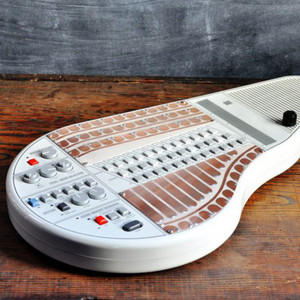 Omnichord Songs antonisletrimis | 2.85K |
Audience| City | Monthly Listeners | |
|---|---|---|
1 | | 14 |
2 | | 9 |
3 | | 7 |
4 | | 7 |
5 | | 5 |
See full performance history, audience data, playlist activity, rankings, comparisons, and more in Viberate music analytics. Start with a free trial, then continue with a paid plan.
Kim Barlow’s Spotify BioKim Barlow is one of Canada's most interesting folk acts. Besides using traditional North American folk instruments like clawhammer banjo or fingerpicking guitar, she also surprises the listener by employing her favorite instrument, the cello, in a variety of quite unconventional functions. With such instrumental setups, her background as a classically trained musician, a lot of sparkling ideas, her characteristic voice, and lyrics well worth listening to, she manages to push the term folk music to new extremes. Originally from Nova Scotia's south coast, Barlow moved to Florida in 1987 where she started to study classical guitar at Florida State University. Four years later, she obtained her degree and relocated to a geographic extreme -- Whitehorse in the Yukon, one of Canada's northern territories bordering on Alaska. There she started getting involved with sustainable forestry, coffee roasting, and horse logging, but at the same time, did not abandon music. The long winter nights in… these northerly latitudes inspired her creativity and finally brought her to write her first songs and to experiment with different arrangements and instruments -- the cello, which forms the instrumental base of her music, she got from a yard sale. In the summer of 1999, she released her first album, Humminah, which was quite a striking debut for a part-time musician and made her well-known as a non-conformist folk singer at extremes from a land of extremes. ~ Frank Eisenhuth, Rovi
Viberate is a music analytics platform built for A&Rs, artist managers, labels, booking agents, marketers, and artists.
It helps music professionals track artist growth, analyze audience data, monitor playlist activity, compare artists, follow song performance, and identify opportunities across the music market.
Public artist pages provide a free preview of selected artist data. Paid plans provide access to deeper analytics, historical data, charts, comparisons, playlist tools, exports, alerts, reports, and additional professional features.
Yes. Public Viberate artist pages provide selected artist analytics and music data for free.
Viberate also offers a 7-day free trial of the full platform. A credit card is required to start the trial. The trial includes access to the complete product so users can test deeper artist analytics, historical views, playlist insights, comparisons, charts, exports, alerts, and reporting features before choosing a paid plan.
Viberate provides artist analytics across streaming, playlists, social media, video, radio airplay, songs, and audience markets.
Users can analyze Spotify performance, Spotify and Apple Music playlists, YouTube activity, TikTok and Instagram growth, radio spins, song performance, audience locations, demographics, rankings, and overall artist momentum.
Artist profiles also connect to music charts, similar artists, and comparison tools, helping users benchmark performance and evaluate artists in context.
Viberate updates key artist and track data daily.
For followed artists and tracks, selected data is refreshed multiple times per day. This helps teams monitor playlist changes, streaming movement, audience growth, releases, and campaign performance with more current data.
Update frequency can vary depending on the metric and data source.
Yes. Viberate lets users compare up to five artists side by side across streaming, social media, audience, and engagement metrics.
Users can compare fanbase growth, audience demographics, locations, Spotify performance, social metrics, and other artist data over selected time periods.
Artist comparison can be used for A&R scouting, benchmarking, booking decisions, campaign planning, and evaluating artists with similar audiences or market positions.