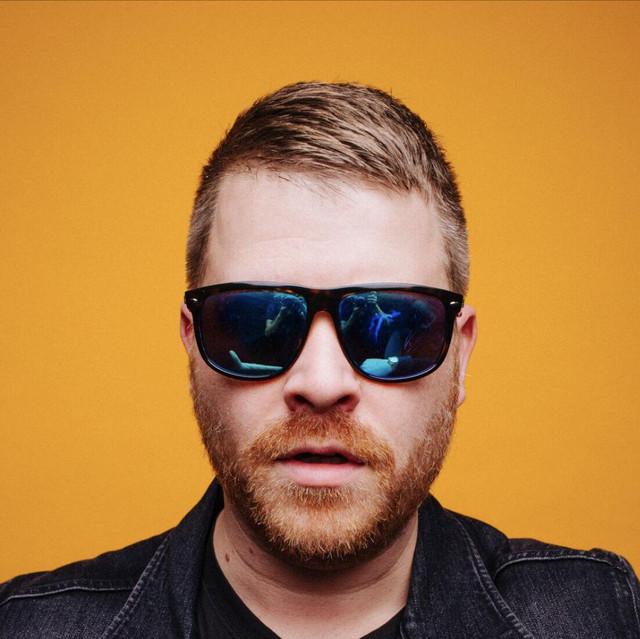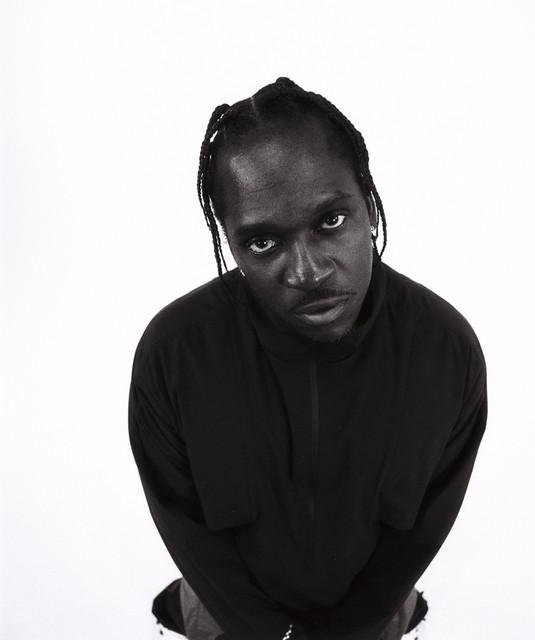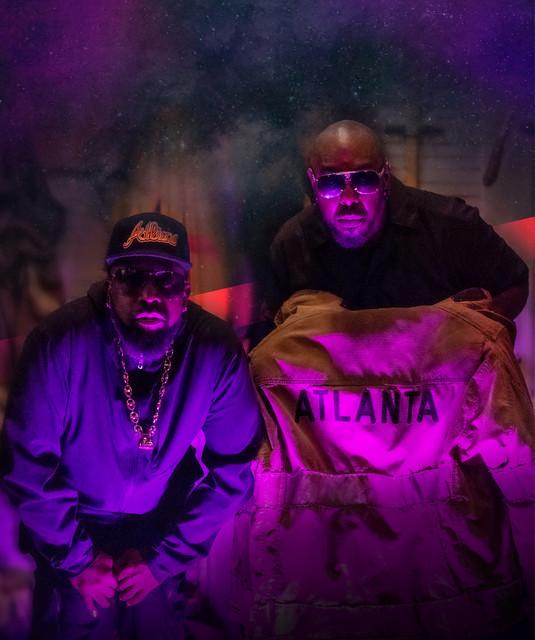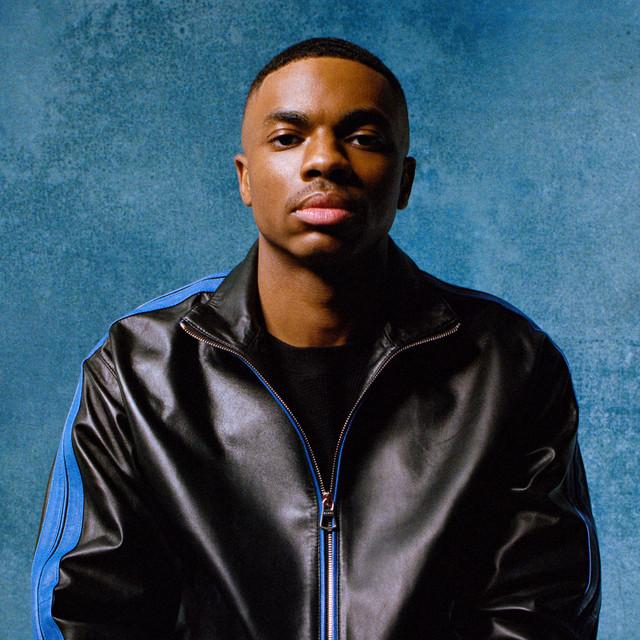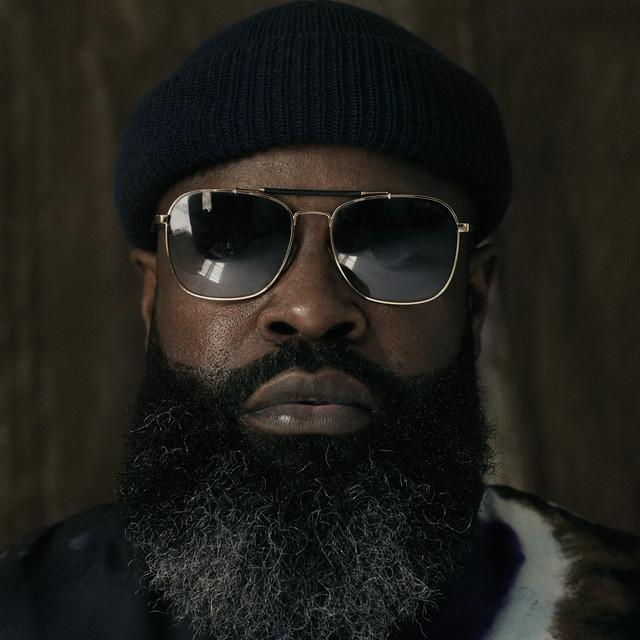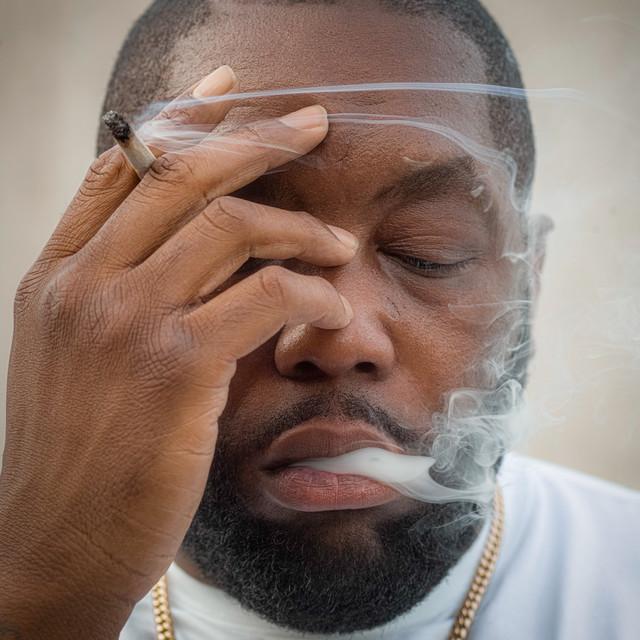
Killer Mike

Hip Hop
Contemporary Hip Hop
 Viberate Rank: 9873
 Viberate Rank: 9873
 Monthly ListenersFollowers
 Subscribers
 Followers
 Followers
 FansTop Spotify Songs
| Track | 7-Day Streams | |
|---|---|---|
1 | 130.06K | |
2 | 118.74K | |
3 | 106.84K | |
4 | 101.71K | |
5 | 100.81K |
Top YouTube Videos| Video | 7-Day Views | |
|---|---|---|
1 | 61.35K | |
2 | 52.50K | |
3 | 22.26K | |
4 | 14.45K | |
5 | 14.29K |
Monthly ListenersFeatured in Playlists| Playlist | Followers | |
|---|---|---|
1 |  Old School Hip Hop Filtr Sweden | 779.30K |
2 |  Cyberpunk 2077 Official Playlist Spotify | 435.39K |
3 |  Chill Rap & Hip Hop Curatify. | 382.26K |
4 | nuwaveselects | 319.53K |
5 |  Best Hip Hop Hits Mega Hits | 257.98K |
Audience| City | Monthly Listeners | |
|---|---|---|
1 | | 41.34K |
2 | | 32.39K |
3 | | 32.35K |
4 | | 30.39K |
5 | | 30.31K |
See full performance history, audience data, playlist activity, rankings, comparisons, and more in Viberate music analytics. Start with a free trial, then continue with a paid plan.
Killer Mike’s Spotify BioAtlanta's Killer Mike is a rapper, actor, and outspoken social activist who frequently addresses subjects such as police brutality and systemic racism through his lyrics, speeches, and interviews. Introduced to the world by his association with OutKast, Mike made his solo debut with the Billboard Top Ten-charting Monster in 2003. He formed his own Grind Time Official imprint and released a series of I Pledge Allegiance to the Grind albums and underground mixtapes while building up his résumé as an actor. His 2012 full-length, R.A.P. Music, was a widely acclaimed breakthrough, and its success led to the formation of Run the Jewels with the album's producer, El-P. Matching politically charged yet wryly humorous lyrics with hard-hitting, experimental production, the duo made a major impact with their raucous live shows and critically praised albums, each of which was more successful than the last, with 2020's RTJ4 hitting the Top Ten of the Billboard 200. Mike also gained media attention… as a vocal supporter of Senator Bernie Sanders during his presidential campaigns in 2016 and 2020. Mike's first solo album in over a decade, Michael, appeared in 2023 and garnered the rapper three Grammy awards. The gospel-influenced Songs for Sinners & Saints followed in 2024.
Born in Atlanta's Adamsville neighborhood, Michael Render became interested in hip-hop at an early age, and participated in rap battles, going by the name Killer Mike. After graduating from high school, he briefly attended college, where he connected with CeeLo Green of Goodie Mob, as well as the future members of production group the Beat Bullies, who helped bring Mike to the attention of OutKast's Big Boi. Mike was featured on the Stankonia album cut "Snappin' & Trappin'," as well as the playful 2001 hit "The Whole World," which was awarded the 2002 Grammy for Best Rap Performance by a Duo or Group. A member of the second generation of the Dungeon Family, Mike appeared on the crew's 2001 album Even in Darkness, and additionally guested on tracks by rappers such as Slimm Calhoun, Jay-Z, and Bone Crusher, as well as a remix of No Doubt's "Hey Baby." Mike's Columbia-issued debut album Monster appeared in 2003, with Big Boi and Sleepy Brown guesting on the hit "A.D.I.D.A.S.," and T.I., Bun B, and Bizarre of D12 also making appearances. Mike was a member of Big Boi's short-lived Purple Ribbon All-Stars, contributing to both of their releases. He released the mixtape The Killer in 2006, before launching his Grind Time Official label with the full-length I Pledge Allegiance to the Grind. Additionally, he began a long-lasting relationship with Cartoon Network's Adult Swim, lending his voice to characters on Aqua Teen Hunger Force and Frisky Dingo.
In 2008, Mike released Ghetto Extraordinary, a mixtape which was initially intended to be his second album in 2005, but was delayed due to disputes with Big Boi and Sony. I Pledge Allegiance to the Grind II appeared the same year, charting in the Billboard 200, unlike the first volume. Mike presented the 2009 Grind Time Official compilation Underground Atlanta, which featured appearances by Gucci Mane, Soulja Boy, B.o.B, and others. The Flying Lotus-produced "Swimming" was released by Adult Swim in 2010, and the song appeared on 2011's PL3DGE, which appeared on T.I.'s Grand Hustle label. The album featured a greater presence of politically informed lyrics than Mike's previous releases, and he expanded on this with 2012's R.A.P. Music, produced entirely by Definitive Jux founder El-P and issued by the Adult Swim-affiliated Williams Street Records. The album was a major critical success and hit the top half of the Billboard 200, and after the two toured together, they continued their collaboration by forming the duo Run the Jewels. Fool's Gold released RTJ's self-titled debut in 2013, and the album's fearless lyricism and heady production drew similar praise.
Run the Jewels 2 was issued by Mass Appeal (co-founded by Nas) in 2014, with Rage Against the Machine's Zack de la Rocha, blink-182's Travis Barker, and former Three 6 Mafia rapper Gangsta Boo among its guests. Another major critical success, it was named Album of the Year by Pitchfork, and surfaced on several additional year-end lists. Meow the Jewels, a fan-funded release which remixed Run the Jewels 2 tracks to include the sounds of cats meowing and purring, was issued in 2015. During the same year, Killer Mike declared his support of U.S. presidential candidate Bernie Sanders. The two recorded a series of video interviews, and Mike introduced Sanders and delivered speeches at rallies; Sanders additionally introduced RTJ during their 2016 appearance at Coachella. Run the Jewels 3 was self-issued by the duo, originally appearing digitally on the day before Christmas in 2016, ahead of its physical release in early 2017. Kamasi Washington, Danny Brown, and Trina were among its guest stars, and the album topped Billboard's R&B/Hip-Hop Albums chart.
Killer Mike made appearances in the film Baby Driver and the animated series South Park in 2017. He filmed a documentary series titled Trigger Warning with Killer Mike, which premiered in early 2019. RTJ appeared on tracks by DJ Shadow, Danny Brown, Lorde, and others. RTJ4 was released in June of 2020, two days earlier than originally announced, amid ongoing protests against police brutality, a subject addressed by the album's lyrics. Guests included Pharrell Williams, Mavis Staples, 2 Chainz, and DJ Premier. RTJ4 debuted at number ten on the Billboard 200, and was named Album of the Year by NME, among numerous other accolades. In 2022, Killer Mike released "Run" (featuring Young Thug), his first top-billed single in ten years. The album Michael appeared in 2023, with El-P and thankugoodsir featured on the single "Don't Let the Devil." Michael won Best Rap Album at the 66th Annual Grammy Awards, while the track "Scientists & Engineers" (featuring André 3000, Future, and Eryn Allen Kane) won Best Rap Song and Best Rap Performance. Songs for Sinners & Saints, an album with a gospel choir, dubbed the Mighty Midnight Revival, was released in 2024, with Blxst, Offset, Anthony Hamilton, and Project Pat as guest vocalists. ~ Paul Simpson, Rovi
Viberate is a music analytics platform built for A&Rs, artist managers, labels, booking agents, marketers, and artists.
It helps music professionals track artist growth, analyze audience data, monitor playlist activity, compare artists, follow song performance, and identify opportunities across the music market.
Public artist pages provide a free preview of selected artist data. Paid plans provide access to deeper analytics, historical data, charts, comparisons, playlist tools, exports, alerts, reports, and additional professional features.
Yes. Public Viberate artist pages provide selected artist analytics and music data for free.
Viberate also offers a 7-day free trial of the full platform. A credit card is required to start the trial. The trial includes access to the complete product so users can test deeper artist analytics, historical views, playlist insights, comparisons, charts, exports, alerts, and reporting features before choosing a paid plan.
Viberate provides artist analytics across streaming, playlists, social media, video, radio airplay, songs, and audience markets.
Users can analyze Spotify performance, Spotify and Apple Music playlists, YouTube activity, TikTok and Instagram growth, radio spins, song performance, audience locations, demographics, rankings, and overall artist momentum.
Artist profiles also connect to music charts, similar artists, and comparison tools, helping users benchmark performance and evaluate artists in context.
Viberate updates key artist and track data daily.
For followed artists and tracks, selected data is refreshed multiple times per day. This helps teams monitor playlist changes, streaming movement, audience growth, releases, and campaign performance with more current data.
Update frequency can vary depending on the metric and data source.
Yes. Viberate lets users compare up to five artists side by side across streaming, social media, audience, and engagement metrics.
Users can compare fanbase growth, audience demographics, locations, Spotify performance, social metrics, and other artist data over selected time periods.
Artist comparison can be used for A&R scouting, benchmarking, booking decisions, campaign planning, and evaluating artists with similar audiences or market positions.