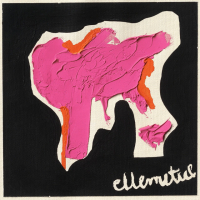
Kill The Pain

Pop
Indie Pop
Other Electronic Music
 Viberate Rank: 555992
 Viberate Rank: 555992
 Monthly ListenersFollowers
 Subscribers
 Followers
 Followers
 FansTop Spotify Songs
| Track | 7-Day Streams | |
|---|---|---|
1 | 71 | |
2 | 15 | |
3 | 15 | |
4 | 11 | |
5 | 10 |
Top YouTube Videos| Video | 7-Day Views | |
|---|---|---|
1 | 1 |
Monthly ListenersFeatured in Playlists| Playlist | Followers | |
|---|---|---|
1 |  So Frenchy So Chic | NOW So Frenchy So Chic | 6.44K |
2 |  WDR 5 Favoriten (Archiv) WDR 5 | 1.67K |
3 |  Poolside Groove rcabalieri | 1.36K |
Audience| City | Monthly Listeners | |
|---|---|---|
1 |  | 14 |
2 | | 14 |
3 |  | 7 |
4 | | 7 |
5 | | 5 |
See full performance history, audience data, playlist activity, rankings, comparisons, and more in Viberate music analytics. Start with a free trial, then continue with a paid plan.
Kill The Pain’s Spotify BioKill The Pain? Qu’est-ce que c’est?
A cross between Les Rita Mitsouko and Dolly Parton?
An unlikely duo?
An intriguing alchemy between the Australian @phoebekilldeerofficial, singer and songwriter of the international #1 hit Fade Out Lines, and the French @melaniepainmusic, the voice behind the success of the band (@nouvellesvagues).
Kill The Pain is moving between nostalgic styles, disrupting time as much as it can with shameless pleasure, mixing references and influence from Carmen McRae to the Slits, from the raw energy of ESG to the poetic musicality of Peggy Lee, from the pent-up force of Patti Smith to Kim Gordon sardonic lyricism.
Kill The Pain is a happy mess, a kaleidoscope of musical genres, a joyful helter-skelter of Latin percussion, funky bass, spicy electric guitars, uninhibited vocals, Afro beat drums and 80's keyboards.
In the tradition of outlandish women in pop culture, the duo are completely different and enable each other to reach a state of craziness together. Things… could and most certainly will take an unexpected turn.
By Alex Murray-Leslie (@chicksonspeed)
www.killthepainmusic.com
Viberate is a music analytics platform built for A&Rs, artist managers, labels, booking agents, marketers, and artists.
It helps music professionals track artist growth, analyze audience data, monitor playlist activity, compare artists, follow song performance, and identify opportunities across the music market.
Public artist pages provide a free preview of selected artist data. Paid plans provide access to deeper analytics, historical data, charts, comparisons, playlist tools, exports, alerts, reports, and additional professional features.
Yes. Public Viberate artist pages provide selected artist analytics and music data for free.
Viberate also offers a 7-day free trial of the full platform. A credit card is required to start the trial. The trial includes access to the complete product so users can test deeper artist analytics, historical views, playlist insights, comparisons, charts, exports, alerts, and reporting features before choosing a paid plan.
Viberate provides artist analytics across streaming, playlists, social media, video, radio airplay, songs, and audience markets.
Users can analyze Spotify performance, Spotify and Apple Music playlists, YouTube activity, TikTok and Instagram growth, radio spins, song performance, audience locations, demographics, rankings, and overall artist momentum.
Artist profiles also connect to music charts, similar artists, and comparison tools, helping users benchmark performance and evaluate artists in context.
Viberate updates key artist and track data daily.
For followed artists and tracks, selected data is refreshed multiple times per day. This helps teams monitor playlist changes, streaming movement, audience growth, releases, and campaign performance with more current data.
Update frequency can vary depending on the metric and data source.
Yes. Viberate lets users compare up to five artists side by side across streaming, social media, audience, and engagement metrics.
Users can compare fanbase growth, audience demographics, locations, Spotify performance, social metrics, and other artist data over selected time periods.
Artist comparison can be used for A&R scouting, benchmarking, booking decisions, campaign planning, and evaluating artists with similar audiences or market positions.