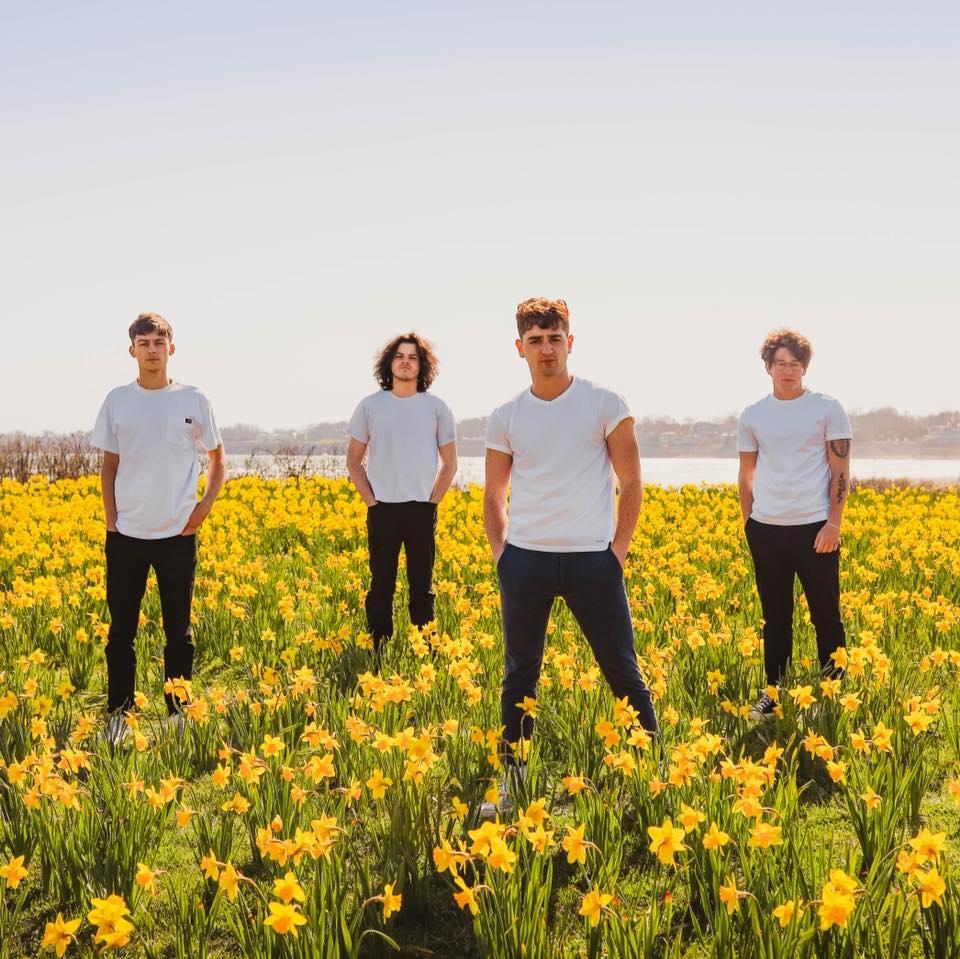
Kids That Fly

Rock
Alternative Rock
 Viberate Rank: 85909
 Viberate Rank: 85909
 Monthly ListenersFollowers
 Subscribers
 Followers
 Followers
 FansTop Spotify Songs
| Track | 7-Day Streams | |
|---|---|---|
1 | 68.58K | |
2 | 41.36K | |
3 | 13.43K | |
4 | 7.30K | |
5 | 6.79K |
Top YouTube VideosMonthly ListenersFeatured in Playlists| Playlist | Followers | |
|---|---|---|
1 |  Feel-Good Indie Rock Spotify | 2.29M |
2 |  cooking and dancing in the kitchen Cookfy | 144.47K |
3 |  lucky girl manifestation songs🍀✨ leila💗 | 126.49K |
4 |  Good Vibes 2024 ☀🌊 past'elle records | 89.45K |
5 | stoner hippy🧿🌙🍃 🍄abbie lee🍄 | 75.24K |
Audience| City | Monthly Listeners | |
|---|---|---|
1 | | 5.14K |
2 | | 4.95K |
3 |  | 4.57K |
4 | | 3.93K |
5 | | 3.79K |
See full performance history, audience data, playlist activity, rankings, comparisons, and more in Viberate music analytics. Start with a free trial, then continue with a paid plan.
Kids That Fly’s Spotify BioKids That Fly formed in the fall of 2018, while attending the University of Connecticut. It wasn’t long before they fell into a steady rhythm of playing shows in and around Connecticut, while simultaneously commuting in and out of New York City to record and perform in both Manhattan and Brooklyn. Having all grown up in Connecticut, the crew has had a lot of influence from other Connecticut musicians such as Rivers Cuomo of Weezer. Each member has played music in the indie/alt rock spheres, even dabbled in jazz, but their broad collective musical taste includes The Black Keys, The 1975, The Killers, and Catfish and the Bottlemen — keeping them tied to a more alternative rock sound.
Praised by outlets like Atwood Magazine for their “captivating indie rock anthems” and Music Connection Magazine for their “polished, powerfully fun pop-rock,” the band has also been lauded by The Aquarian for their “fervent spirit, rock energy, and romanticism-laced narratives.”
Find out more at… kidsthatfly.com
Booking/contact: kidsthatfly@gmail.com
Viberate is a music analytics platform built for A&Rs, artist managers, labels, booking agents, marketers, and artists.
It helps music professionals track artist growth, analyze audience data, monitor playlist activity, compare artists, follow song performance, and identify opportunities across the music market.
Public artist pages provide a free preview of selected artist data. Paid plans provide access to deeper analytics, historical data, charts, comparisons, playlist tools, exports, alerts, reports, and additional professional features.
Yes. Public Viberate artist pages provide selected artist analytics and music data for free.
Viberate also offers a 7-day free trial of the full platform. A credit card is required to start the trial. The trial includes access to the complete product so users can test deeper artist analytics, historical views, playlist insights, comparisons, charts, exports, alerts, and reporting features before choosing a paid plan.
Viberate provides artist analytics across streaming, playlists, social media, video, radio airplay, songs, and audience markets.
Users can analyze Spotify performance, Spotify and Apple Music playlists, YouTube activity, TikTok and Instagram growth, radio spins, song performance, audience locations, demographics, rankings, and overall artist momentum.
Artist profiles also connect to music charts, similar artists, and comparison tools, helping users benchmark performance and evaluate artists in context.
Viberate updates key artist and track data daily.
For followed artists and tracks, selected data is refreshed multiple times per day. This helps teams monitor playlist changes, streaming movement, audience growth, releases, and campaign performance with more current data.
Update frequency can vary depending on the metric and data source.
Yes. Viberate lets users compare up to five artists side by side across streaming, social media, audience, and engagement metrics.
Users can compare fanbase growth, audience demographics, locations, Spotify performance, social metrics, and other artist data over selected time periods.
Artist comparison can be used for A&R scouting, benchmarking, booking decisions, campaign planning, and evaluating artists with similar audiences or market positions.