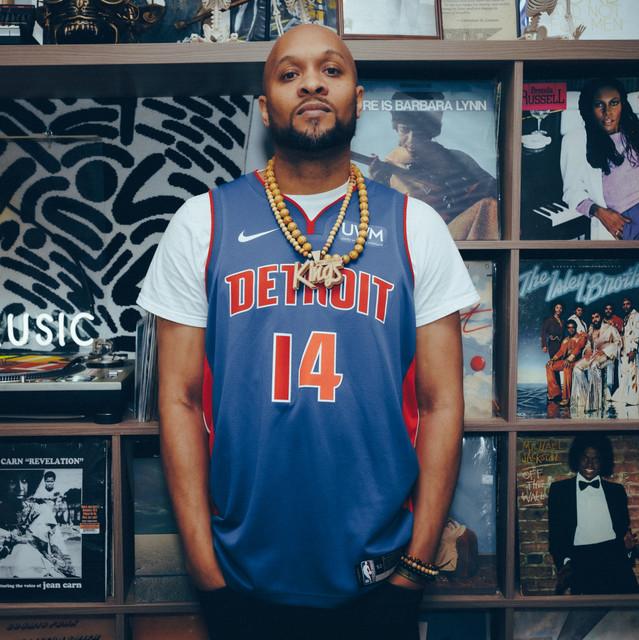
Kid Sublime

Electronic
House
Techno
 Viberate Rank: 333755
 Viberate Rank: 333755
 Monthly ListenersFollowers
 Subscribers
 Followers
 Followers
 FansTop Spotify Songs
| Track | 7-Day Streams | |
|---|---|---|
1 | 1.64K | |
2 | 690 | |
3 | 438 | |
4 | 97 | |
5 | 86 |
Top YouTube VideosMonthly ListenersFeatured in Playlists| Playlist | Followers | |
|---|---|---|
1 |  Soul Currents Spotify | 493.22K |
2 |  Soulful House Spotify | 133.62K |
3 |  Deep House Classics 2026 Thomas Coxhead | 15.03K |
4 |  RHYTHM SECTION HQ Rhythm Section International | 11.57K |
5 | UNDERGROUND HIP HOP Eric Gijsberts | 5.50K |
Audience| City | Monthly Listeners | |
|---|---|---|
1 |  | 236 |
2 |  | 172 |
3 |  | 155 |
4 |  | 154 |
5 | | 126 |
See full performance history, audience data, playlist activity, rankings, comparisons, and more in Viberate music analytics. Start with a free trial, then continue with a paid plan.
Kid Sublime’s Spotify BioGrowing up in a small village close to Amsterdam, Kid started playing drums and piano at the age of 5. Surrounded by his moms and pops record collection ranging from Frank Zappa, to Miles Davis to James Taylor and Bach, Kid developed his ears in music early on.
In his teens he played drums in a Hardcore Punk band and picked up the turntables. Hip Hop became his safe haven. Landing a job in the Fat Beats recordstore and picking up the MPC, Kid started focussing on producing beats, both Hip Hop and House.
In 2001 he released his first 12inch Tea For Two and from there things kicked off. Signed to record labels like Rush Hour, Kindred Spirits, BBE and Jazzysport, Kid slowely build his discography.
Now almost 20 years later he toured the world many times, worked with countless singers and emcee’s in the underground, signed to record labels both national and international and his records are being played by taste making deejays across the globe.
Viberate is a music analytics platform built for A&Rs, artist managers, labels, booking agents, marketers, and artists.
It helps music professionals track artist growth, analyze audience data, monitor playlist activity, compare artists, follow song performance, and identify opportunities across the music market.
Public artist pages provide a free preview of selected artist data. Paid plans provide access to deeper analytics, historical data, charts, comparisons, playlist tools, exports, alerts, reports, and additional professional features.
Yes. Public Viberate artist pages provide selected artist analytics and music data for free.
Viberate also offers a 7-day free trial of the full platform. A credit card is required to start the trial. The trial includes access to the complete product so users can test deeper artist analytics, historical views, playlist insights, comparisons, charts, exports, alerts, and reporting features before choosing a paid plan.
Viberate provides artist analytics across streaming, playlists, social media, video, radio airplay, songs, and audience markets.
Users can analyze Spotify performance, Spotify and Apple Music playlists, YouTube activity, TikTok and Instagram growth, radio spins, song performance, audience locations, demographics, rankings, and overall artist momentum.
Artist profiles also connect to music charts, similar artists, and comparison tools, helping users benchmark performance and evaluate artists in context.
Viberate updates key artist and track data daily.
For followed artists and tracks, selected data is refreshed multiple times per day. This helps teams monitor playlist changes, streaming movement, audience growth, releases, and campaign performance with more current data.
Update frequency can vary depending on the metric and data source.
Yes. Viberate lets users compare up to five artists side by side across streaming, social media, audience, and engagement metrics.
Users can compare fanbase growth, audience demographics, locations, Spotify performance, social metrics, and other artist data over selected time periods.
Artist comparison can be used for A&R scouting, benchmarking, booking decisions, campaign planning, and evaluating artists with similar audiences or market positions.