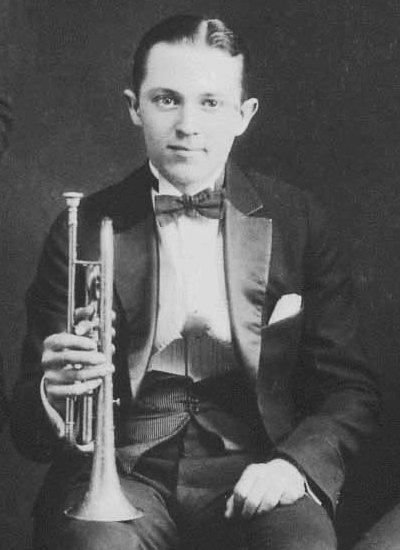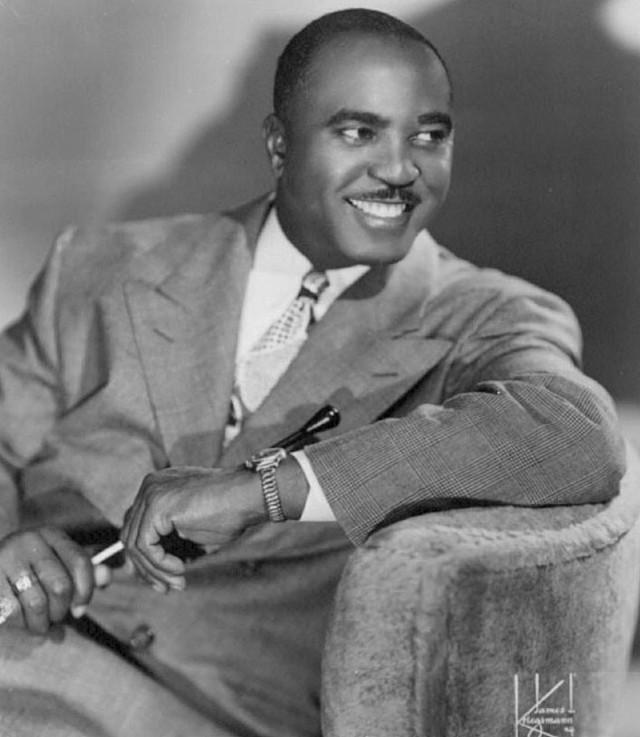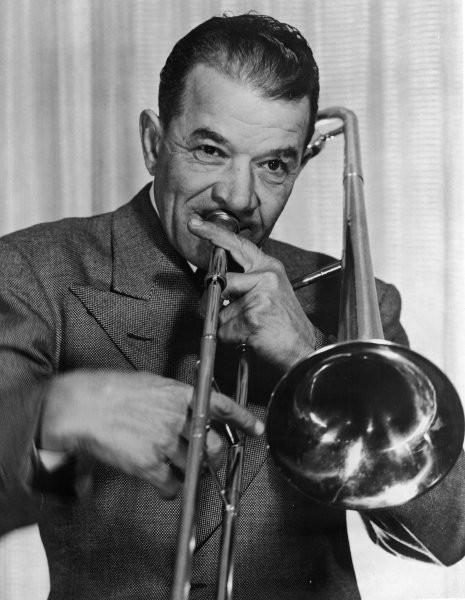
Kid Ory

Jazz
Big band Jazz
Classical Crossover
 Viberate Rank: 178615
 Viberate Rank: 178615
 Monthly ListenersFollowers
 Subscribers
 Followers
 Followers
 FansTop Spotify Songs
| Track | 7-Day Streams | |
|---|---|---|
1 | 2.34K | |
2 | 1.29K | |
3 | 878 | |
4 | 677 | |
5 | 585 |
Top YouTube VideosMonthly ListenersFeatured in Playlists| Playlist | Followers | |
|---|---|---|
1 |  New Orleans Brass Spotify | 134.40K |
2 |  SWING BIG BAND polca don'ts | 87.91K |
3 |  Dixieland Classics Filtr Legacy Sweden | 46.33K |
4 |  SWING DANCE - LINDY HOP - The best playlist - LOLA VAN Josep Anton Sr Escarlata | 44.61K |
5 | wicks Brennan McDowell | 43.73K |
Audience| City | Monthly Listeners | |
|---|---|---|
1 |  | 196 |
2 |  | 188 |
3 | | 181 |
4 |  | 145 |
5 |  | 144 |
See full performance history, audience data, playlist activity, rankings, comparisons, and more in Viberate music analytics. Start with a free trial, then continue with a paid plan.
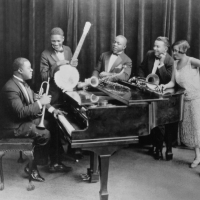
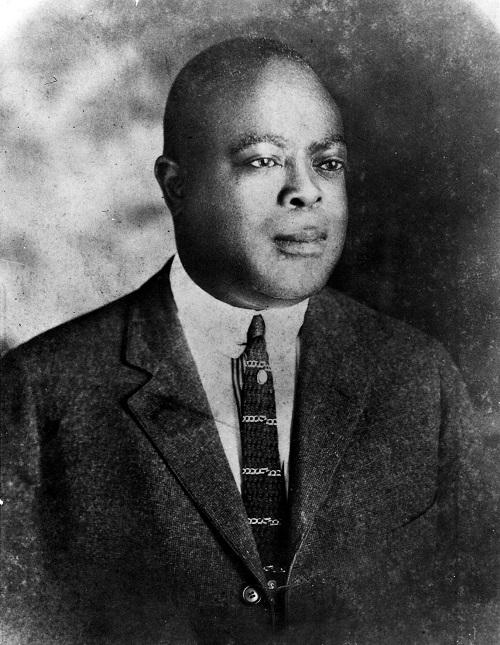
Kid Ory’s Spotify BioKid Ory was one of the great New Orleans pioneers, an early trombonist who virtually defined the "tailgate" style (using his horn to play rhythmic bass lines in the front line behind the trumpet and clarinet) and who was fortunate enough to last through the lean years so he could make a major comeback in the mid-'40s. Originally a banjoist, Ory soon switched to trombone and by 1911 was leading a popular band in New Orleans. Among his trumpeters during the next eight years were Mutt Carey, King Oliver and a young Louis Armstrong and his clarinetists included Johnny Dodds, Sidney Bechet, and Jimmie Noone. In 1919, Ory moved to California and in 1922 (possibly 1921) recorded the first two titles by a Black New Orleans jazz band ("Ory's Creole Trombone" and "Society Blues") under the band title of Spike's Seven Pods of Pepper Orchestra. In 1925 he moved to Chicago, played regularly with King Oliver, and recorded many classic sides with Oliver, Louis Armstrong (in his Hot Five and Seven),… and Jelly Roll Morton, among others.
The definitive New Orleans trombonist of the 1920s, Ory (whose "Muskrat Ramble" became a standard) was mostly out of music after 1930, running a chicken ranch with his brother. However in 1942 he was persuaded to return, and after a stint with Barney Bigard's group, he formed his own band. Ory's group was featured on Orson Welles' radio show in 1944 and the publicity made it possible for the band to catch on. The New Orleans revival was in full swing and Ory (whose group included trumpeter Mutt Carey and clarinetists Omer Simeon or Darnell Howard) was still in prime form. He appeared in the 1946 film New Orleans (and later on in The Benny Goodman Story) and worked steadily in Los Angeles. After Mutt Carey departed in 1948, Ory used Teddy Buckner, Marty Marsala, Alvin Alcorn (the perfect musician for his group), and Red Allen on trumpets and his Dixieland bands always boasted high musicianship (even with the leader's purposely primitive style) and a consistent level of excitement. They recorded regularly (most notably for Good Time Jazz) up to 1960 by which time Ory (already 73) was cutting back on his activities. He retired altogether in 1966, moving to Hawaii. ~ Scott Yanow, Rovi
Viberate is a music analytics platform built for A&Rs, artist managers, labels, booking agents, marketers, and artists.
It helps music professionals track artist growth, analyze audience data, monitor playlist activity, compare artists, follow song performance, and identify opportunities across the music market.
Public artist pages provide a free preview of selected artist data. Paid plans provide access to deeper analytics, historical data, charts, comparisons, playlist tools, exports, alerts, reports, and additional professional features.
Yes. Public Viberate artist pages provide selected artist analytics and music data for free.
Viberate also offers a 7-day free trial of the full platform. A credit card is required to start the trial. The trial includes access to the complete product so users can test deeper artist analytics, historical views, playlist insights, comparisons, charts, exports, alerts, and reporting features before choosing a paid plan.
Viberate provides artist analytics across streaming, playlists, social media, video, radio airplay, songs, and audience markets.
Users can analyze Spotify performance, Spotify and Apple Music playlists, YouTube activity, TikTok and Instagram growth, radio spins, song performance, audience locations, demographics, rankings, and overall artist momentum.
Artist profiles also connect to music charts, similar artists, and comparison tools, helping users benchmark performance and evaluate artists in context.
Viberate updates key artist and track data daily.
For followed artists and tracks, selected data is refreshed multiple times per day. This helps teams monitor playlist changes, streaming movement, audience growth, releases, and campaign performance with more current data.
Update frequency can vary depending on the metric and data source.
Yes. Viberate lets users compare up to five artists side by side across streaming, social media, audience, and engagement metrics.
Users can compare fanbase growth, audience demographics, locations, Spotify performance, social metrics, and other artist data over selected time periods.
Artist comparison can be used for A&R scouting, benchmarking, booking decisions, campaign planning, and evaluating artists with similar audiences or market positions.