KHOLD

Electronic
Dubstep
 Viberate Rank: 171821
 Viberate Rank: 171821
 Monthly ListenersFollowers
 Subscribers
 Followers
 Followers
 FansTop Spotify Songs
| Track | 7-Day Streams | |
|---|---|---|
1 | 3.13K | |
2 | 258 | |
3 | 71 | |
4 | 70 | |
5 | 68 |
Top YouTube Videos| Video | 7-Day Views | |
|---|---|---|
1 | 376 | |
2 | 248 | |
3 | 238 | |
4 | 233 | |
5 | 137 |
Monthly ListenersFeatured in Playlists| Playlist | Followers | |
|---|---|---|
1 |  Riddim Lords (Dyatic Takeover) Disciple | 66.19K |
2 | BEST DUBSTEP OF ALL TIME Mo0n | 28.68K |
3 |  RIDDIM | Dubstep Mees Rutgers | 23.92K |
4 |  Riddim Dubstep 2026 Turboladerschaden | 9.67K |
5 |  RIDDIM riddim_network | 8.22K |
Audience| City | Monthly Listeners | |
|---|---|---|
1 |  | 199 |
2 |  | 161 |
3 | | 160 |
4 | | 158 |
5 | | 125 |
See full performance history, audience data, playlist activity, rankings, comparisons, and more in Viberate music analytics. Start with a free trial, then continue with a paid plan.
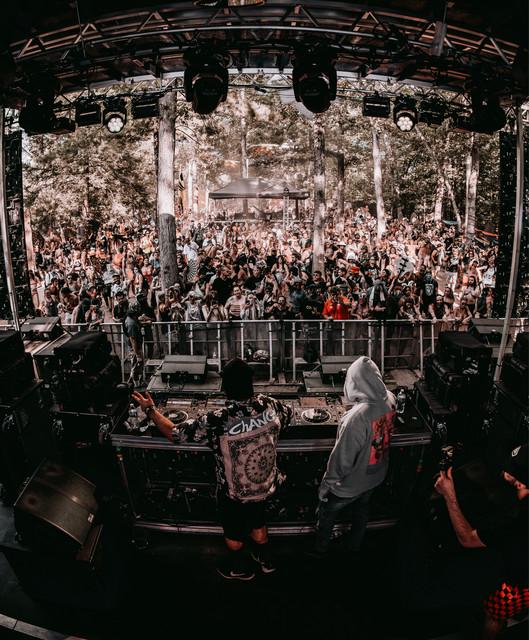
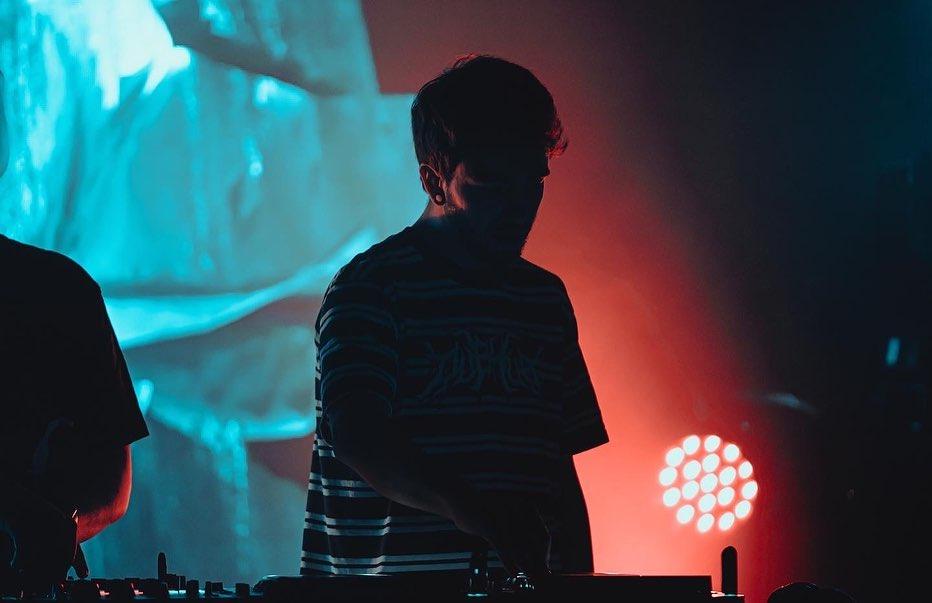
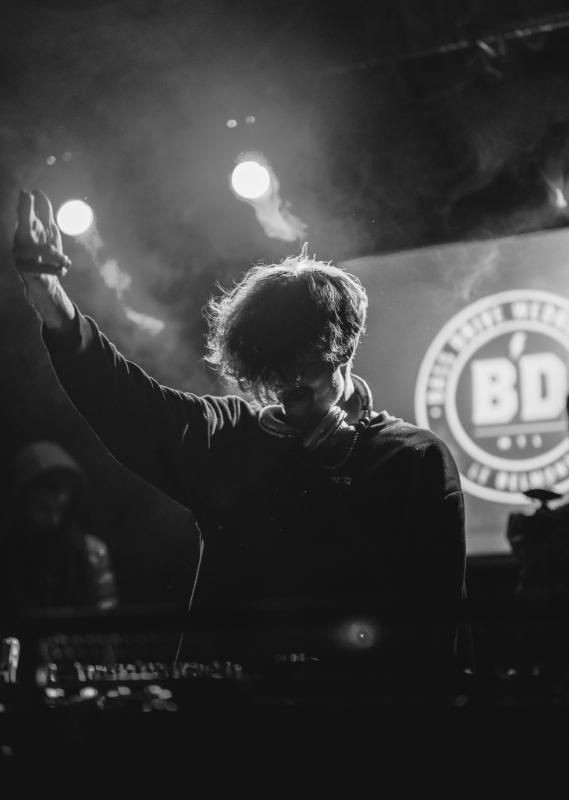
KHOLD’s Spotify BioKHOLD (Jeremy Tennier) is a Canadian dubstep producer and DJ who has quickly become one of the most sought-after artists in the bass music scene. Since obtaining his US Visa, KHOLD, hailing from Montreal, Quebec, has had appearances across the US showcasing his unique and distinctive sound.
KHOLD has won the attention of riddim dubstep enthusiasts all around the world, recently selling out headline shows in Budapest, Belgium, Florida, Montreal, and Chicago. Most notably, KHOLD was invited to play at Rampage Open Air in 2023, Europe’s biggest bass music festival. KHOLD was invited to play Summoning Of The Eclipse, Svdden Death’s festival.
Additionally, KHOLD has performed directly for artists such as Samplifire, Dack Janiels, Mad Dubz, Dr. Ushuu, and more to be announced. His immersive mixing style has attracted a growing social media following, and thousands are eager to see him perform live.
KHOLD has had a breakout year in 2023, with his latest releases supported by the likes of Infekt,… Bommer, Chibs, at major festivals such as Lost Lands, Bass Canyon, Summoning Of The Eclipse and more. With 2024 on the horizon, KHOLD is poised to take the bass music scene by storm.
Viberate is a music analytics platform built for A&Rs, artist managers, labels, booking agents, marketers, and artists.
It helps music professionals track artist growth, analyze audience data, monitor playlist activity, compare artists, follow song performance, and identify opportunities across the music market.
Public artist pages provide a free preview of selected artist data. Paid plans provide access to deeper analytics, historical data, charts, comparisons, playlist tools, exports, alerts, reports, and additional professional features.
Yes. Public Viberate artist pages provide selected artist analytics and music data for free.
Viberate also offers a 7-day free trial of the full platform. A credit card is required to start the trial. The trial includes access to the complete product so users can test deeper artist analytics, historical views, playlist insights, comparisons, charts, exports, alerts, and reporting features before choosing a paid plan.
Viberate provides artist analytics across streaming, playlists, social media, video, radio airplay, songs, and audience markets.
Users can analyze Spotify performance, Spotify and Apple Music playlists, YouTube activity, TikTok and Instagram growth, radio spins, song performance, audience locations, demographics, rankings, and overall artist momentum.
Artist profiles also connect to music charts, similar artists, and comparison tools, helping users benchmark performance and evaluate artists in context.
Viberate updates key artist and track data daily.
For followed artists and tracks, selected data is refreshed multiple times per day. This helps teams monitor playlist changes, streaming movement, audience growth, releases, and campaign performance with more current data.
Update frequency can vary depending on the metric and data source.
Yes. Viberate lets users compare up to five artists side by side across streaming, social media, audience, and engagement metrics.
Users can compare fanbase growth, audience demographics, locations, Spotify performance, social metrics, and other artist data over selected time periods.
Artist comparison can be used for A&R scouting, benchmarking, booking decisions, campaign planning, and evaluating artists with similar audiences or market positions.