KH

Electronic
Dance
House
 Viberate Rank: 117408
 Viberate Rank: 117408
 Monthly ListenersFollowers
 Subscribers
 Followers
 Followers
 FansTop Spotify Songs
| Track | 7-Day Streams | |
|---|---|---|
1 | 25.98K | |
2 | 14.37K | |
3 | 10.26K | |
4 | 4.72K | |
5 | 4.11K |
Top YouTube VideosMonthly ListenersFeatured in Playlists| Playlist | Followers | |
|---|---|---|
1 |  POLLEN Spotify | 1.33M |
2 |  Electronic Rising Spotify | 760.82K |
3 |  Running Club Spotify | 736.03K |
4 |  HOUSE MUSIC aryo | 366.60K |
5 |  Dance Nation | Ministry of Sound Ministry of Sound | 268.00K |
Audience| City | Monthly Listeners | |
|---|---|---|
1 | | 7.00K |
2 |  | 3.49K |
3 | | 2.90K |
4 |  | 2.77K |
5 | | 2.68K |
See full performance history, audience data, playlist activity, rankings, comparisons, and more in Viberate music analytics. Start with a free trial, then continue with a paid plan.
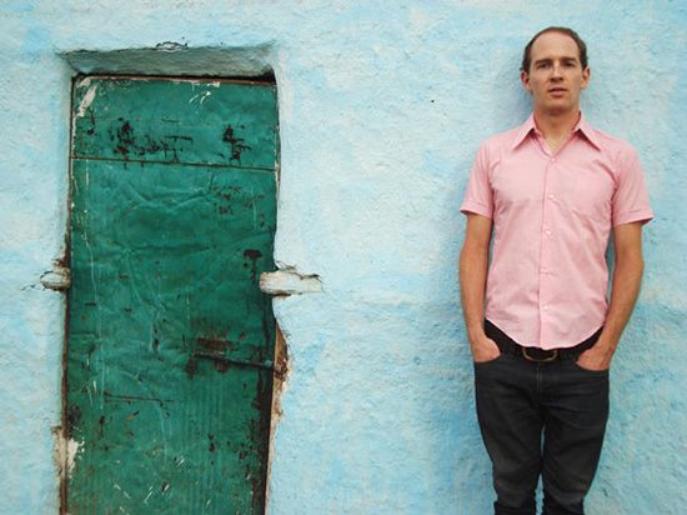
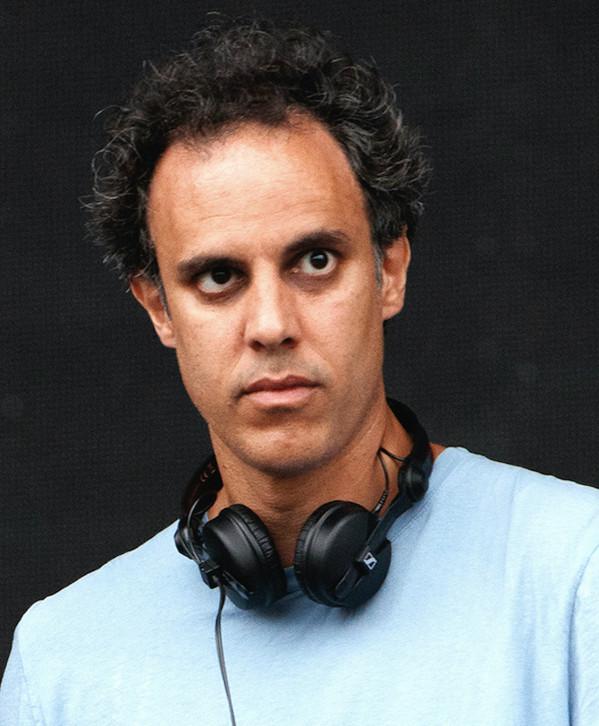
KH’s Spotify BioKieran Hebden, the British producer and electronic musician best known as Four Tet, has issued some of his biggest club and festival hits under his initials, KH. These include tracks like "Only Human" (2019) and "Looking at Your Pager" (2022) which had been extensively featured in his DJ sets before their samples were cleared and they were officially released.
Since he began releasing music as Four Tet in the late '90s, Hebden's music has combined organic and electronic instrumentation, as well as influences ranging from hip-hop and ambient to folk and spiritual jazz. He occasionally delved into more club-friendly sounds during the 2000s, particularly his remixes and releases like 2008's Ringer EP. A track titled "101112," credited to KH, appeared on Four Tet's FabricLive 59 mix. He began issuing white label singles on his Text imprint, including collaborations with Burial and Thom Yorke (of Radiohead) and a split with Daphni (aka Caribou). A KH single titled "The Track I've Been… Playing That People Keep Asking About and That Joy Used in His RA Mix and Daphni Played on Boiler Room," built around a mesmerizing African vocal chant, appeared on Text in early 2013. The U.K. garage-influenced "BACK2THESTART," reportedly composed on a plane, appeared digitally in 2015. "Question," another sought-after track heard in his DJ sets, and essentially an edit of Bobby Powell's 1971 funk song "Question," surfaced in 2017. "Only Human," based around samples of Nelly Furtado's "Afraid," appeared in 2019, again after Hebden and numerous other DJs had featured it in their DJ sets. Issued by dance giant Ministry of Sound, "Only Human" became a staple of clubs and festivals, and Hebden's most widely played track to date. KH's second Ministry of Sound single, a 3LW-sampling earworm titled "Looking at Your Pager," appeared in 2022. ~ Paul Simpson, Rovi
Viberate is a music analytics platform built for A&Rs, artist managers, labels, booking agents, marketers, and artists.
It helps music professionals track artist growth, analyze audience data, monitor playlist activity, compare artists, follow song performance, and identify opportunities across the music market.
Public artist pages provide a free preview of selected artist data. Paid plans provide access to deeper analytics, historical data, charts, comparisons, playlist tools, exports, alerts, reports, and additional professional features.
Yes. Public Viberate artist pages provide selected artist analytics and music data for free.
Viberate also offers a 7-day free trial of the full platform. A credit card is required to start the trial. The trial includes access to the complete product so users can test deeper artist analytics, historical views, playlist insights, comparisons, charts, exports, alerts, and reporting features before choosing a paid plan.
Viberate provides artist analytics across streaming, playlists, social media, video, radio airplay, songs, and audience markets.
Users can analyze Spotify performance, Spotify and Apple Music playlists, YouTube activity, TikTok and Instagram growth, radio spins, song performance, audience locations, demographics, rankings, and overall artist momentum.
Artist profiles also connect to music charts, similar artists, and comparison tools, helping users benchmark performance and evaluate artists in context.
Viberate updates key artist and track data daily.
For followed artists and tracks, selected data is refreshed multiple times per day. This helps teams monitor playlist changes, streaming movement, audience growth, releases, and campaign performance with more current data.
Update frequency can vary depending on the metric and data source.
Yes. Viberate lets users compare up to five artists side by side across streaming, social media, audience, and engagement metrics.
Users can compare fanbase growth, audience demographics, locations, Spotify performance, social metrics, and other artist data over selected time periods.
Artist comparison can be used for A&R scouting, benchmarking, booking decisions, campaign planning, and evaluating artists with similar audiences or market positions.