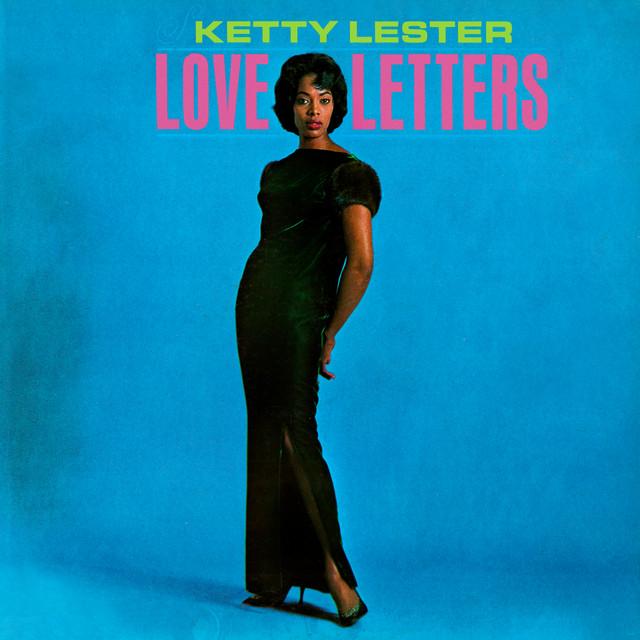
Ketty Lester

R&B
Soul
Mainstream Pop
 Viberate Rank: 134739
 Viberate Rank: 134739
 Monthly ListenersFollowers
 Subscribers
 Followers
 Followers
 FansTop Spotify Songs
| Track | 7-Day Streams | |
|---|---|---|
1 | 21.94K | |
2 | 5.07K | |
3 | 3.80K | |
4 | 876 | |
5 | 876 |
Top YouTube VideosMonthly ListenersFeatured in Playlists| Playlist | Followers | |
|---|---|---|
1 |  Soft 60s Spotify | 663.53K |
2 |  TWIN PEAKS: It Is Happening Again Johnny Jewel | 38.72K |
3 |  Essential Classics Essential Classics | 31.39K |
4 |  Blue Velvet (Soundtrack) theloosestunit | 21.75K |
5 |  Evening jazz and some wine Pedro Seiz de Freitas | 20.99K |
Audience| City | Monthly Listeners | |
|---|---|---|
1 |  | 1.18K |
2 |  | 673 |
3 | | 663 |
4 | | 565 |
5 | | 561 |
See full performance history, audience data, playlist activity, rankings, comparisons, and more in Viberate music analytics. Start with a free trial, then continue with a paid plan.
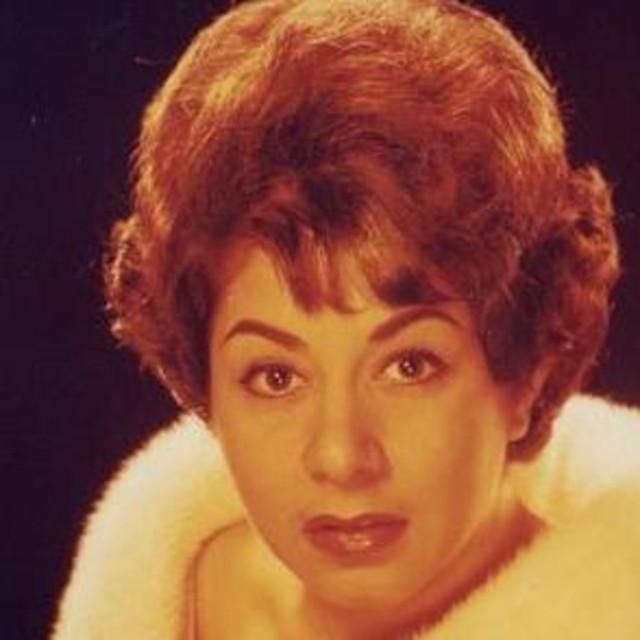
Ketty Lester’s Spotify BioSinger Ketty Lester has a career that spans music, TV, film, and stage. Her cover of Dick Haynes' 1945 hit "Love Letters" went to number five pop and number two R&B on Billboard's charts in the spring of 1962. The tune was originally the title theme from the 1945 Jennifer Jones movie.
Ketty Lester was born Revoyda Frierson on August 16, 1934, in Hope, AR. She was one of 15 children born into a farmer's family. After winning a scholarship in 1955, she moved to California and attended San Francisco City College, majoring in nursing. Lester sang in church and the school choir, and performed in summer stock theater. She also appeared as a contestant on the classic '50s game show You Bet Your Life. Meeting country singer/comedienne Dorothy Shay at the Purple Onion club (where she was performing), Lester was introduced to producers Ed Cobb and Lincoln Mayorga. Herb Newman's Era Records released the resulting single, "I'm a Fool for You" b/w "Love Letters." DJs and listeners preferred the… sparse, steamy B-side, making it a Top Five pop hit. The follow-up single, a cover of George Gershwin's "But Not for Me" from the musical Girl Crazy, peaked at number 41 pop during summer 1962.
Ketty Lester was issued that same year. It featured two singles, "You Can't Lie to a Liar" and a cover of Woody Guthrie's "This Land Is Your Land." Another Era single was "Fallin Angel" b/w "Lullaby for Lovers." She also recorded the upbeat "West Coast" b/w the ballad "I'll Be Looking Back" for Capitol, "I Said Goodbye to My Love" b/w "Queen for a Day" for Everest, and "Measure of a Man" b/w "Cracker Box Livin'," "Show Me" b/w "Since I Fell for You," and the LP Same for the Pete label.
Lester recorded for RCA (Soul of Me, Where Is Love, the singles "Better World," "Roses Grow With Thorns," "You Go Your Way," "Some Things Are Better Unsaid," "The Luck of Ginger Coff") and for Tower (When a Woman Loves a Man, "Love Me Just a Little Bit"). She also recorded a Christian album, I Saw Him, for Mega Records.
Originally offered the lead role in Julia, starring Diahann Carroll, Lester appeared in the films Just for Fun, Up Tight, Uptown Saturday Night, The Terminal Man, Street Knight, House Party 3, and Blacula, and the TV movies Louis Armstrong: Chicago Style and Percy and Thunder. She also guest-starred on TV series like Sanford and Son, Laugh-In, Quantum Leap, Hill Street Blues, Love American Style, The FBI, Harry 0 (the 1975 episode with Maureen McCormick), That Girl, Marcus Welby, and Lou Grant. She became a regular on Little House on the Prairie (as Hester Sue Terhune) and the soap operas Days of Our Lives (as Helen Grant) and Rituals. The singer won an Off-Broadway Theater Award for her performance in a revival of A Cabin in the Sky. Lester also had a recurring role as Vivica A. Fox's grandmother on the 1998 sitcom Getting Personal. ~ Ed Hogan, Rovi
Viberate is a music analytics platform built for A&Rs, artist managers, labels, booking agents, marketers, and artists.
It helps music professionals track artist growth, analyze audience data, monitor playlist activity, compare artists, follow song performance, and identify opportunities across the music market.
Public artist pages provide a free preview of selected artist data. Paid plans provide access to deeper analytics, historical data, charts, comparisons, playlist tools, exports, alerts, reports, and additional professional features.
Yes. Public Viberate artist pages provide selected artist analytics and music data for free.
Viberate also offers a 7-day free trial of the full platform. A credit card is required to start the trial. The trial includes access to the complete product so users can test deeper artist analytics, historical views, playlist insights, comparisons, charts, exports, alerts, and reporting features before choosing a paid plan.
Viberate provides artist analytics across streaming, playlists, social media, video, radio airplay, songs, and audience markets.
Users can analyze Spotify performance, Spotify and Apple Music playlists, YouTube activity, TikTok and Instagram growth, radio spins, song performance, audience locations, demographics, rankings, and overall artist momentum.
Artist profiles also connect to music charts, similar artists, and comparison tools, helping users benchmark performance and evaluate artists in context.
Viberate updates key artist and track data daily.
For followed artists and tracks, selected data is refreshed multiple times per day. This helps teams monitor playlist changes, streaming movement, audience growth, releases, and campaign performance with more current data.
Update frequency can vary depending on the metric and data source.
Yes. Viberate lets users compare up to five artists side by side across streaming, social media, audience, and engagement metrics.
Users can compare fanbase growth, audience demographics, locations, Spotify performance, social metrics, and other artist data over selected time periods.
Artist comparison can be used for A&R scouting, benchmarking, booking decisions, campaign planning, and evaluating artists with similar audiences or market positions.