Kenny Tudrick

Country
Americana/Alt Country
Alternative Rock
 Viberate Rank: 574620
 Viberate Rank: 574620
 Monthly ListenersFollowers
 Subscribers
 Followers
 Followers
 FansTop Spotify Songs
| Track | 7-Day Streams | |
|---|---|---|
1 | 25 | |
2 | 20 | |
3 | 18 | |
4 | 6 | |
5 | 3 |
Top YouTube VideosMonthly ListenersFeatured in Playlists| Playlist | Followers | |
|---|---|---|
1 | Blur, Oasis y Radiohead Daniel Martínez Díaz | 2.39K |
2 |  Detroiters Soundtrack Taylor Liserre | 1.90K |
Audience| City | Monthly Listeners | |
|---|---|---|
1 |  | 9 |
2 |  | 7 |
3 | | 6 |
4 | | 5 |
5 |  | 4 |
See full performance history, audience data, playlist activity, rankings, comparisons, and more in Viberate music analytics. Start with a free trial, then continue with a paid plan.
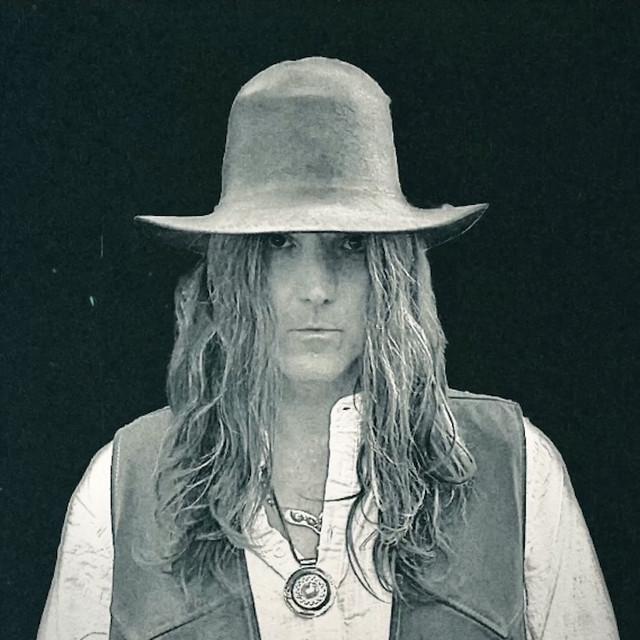
Kenny Tudrick’s Spotify BioBorn in Detroit, singer/songwriter and multi-instrumentalist producer/ engineer, Kenny Tudrick had done a lot in a little time. Drummer for The Detroit Cobras, drums on King Tuff's Sub Pop Records debut, band leader for Rodríguez, replaced Jack White on guitar in The Go just to name a few, as well as fronting popular Detroit combos-all while tussling with his own addictions. Then he quit everything and in early 2012 wrote and recorded his solo debut: a double-album stunner rich with restraint and earned wisdom. Tudrick distills the essence of classic Laurel Canyon- Graham Nash, Neil Young, and The Band's brown album-into spine-tinglers that tell of a life filled with the small
redemptions that could've only been written after one overcomes a life-threatening war with himself.
Tudrick handles all the instrumentation, with occasional low-key musical support from Detroit
stars such as Patti Smith's guitarist son Jackson.
Before the solo album there was Bulldog. Originally Kenny’s first band… at the age of nine, he booked his first show at his grade school. In 2003 while Kenny and his pal Eddie Harsch ( The Black Crowes) were the rhythm section with The Detroit Cobras, they put the old band back together. They recorded an 11-song stunner that feels like a dusty stroll through Topanga Canyon in 1971. The record struts country-soul-tinged rock 'n' rollers as well as mournful ballads that resonate far
beyond their melancholy chord changes and Neil Young-style folk beats.
Viberate is a music analytics platform built for A&Rs, artist managers, labels, booking agents, marketers, and artists.
It helps music professionals track artist growth, analyze audience data, monitor playlist activity, compare artists, follow song performance, and identify opportunities across the music market.
Public artist pages provide a free preview of selected artist data. Paid plans provide access to deeper analytics, historical data, charts, comparisons, playlist tools, exports, alerts, reports, and additional professional features.
Yes. Public Viberate artist pages provide selected artist analytics and music data for free.
Viberate also offers a 7-day free trial of the full platform. A credit card is required to start the trial. The trial includes access to the complete product so users can test deeper artist analytics, historical views, playlist insights, comparisons, charts, exports, alerts, and reporting features before choosing a paid plan.
Viberate provides artist analytics across streaming, playlists, social media, video, radio airplay, songs, and audience markets.
Users can analyze Spotify performance, Spotify and Apple Music playlists, YouTube activity, TikTok and Instagram growth, radio spins, song performance, audience locations, demographics, rankings, and overall artist momentum.
Artist profiles also connect to music charts, similar artists, and comparison tools, helping users benchmark performance and evaluate artists in context.
Viberate updates key artist and track data daily.
For followed artists and tracks, selected data is refreshed multiple times per day. This helps teams monitor playlist changes, streaming movement, audience growth, releases, and campaign performance with more current data.
Update frequency can vary depending on the metric and data source.
Yes. Viberate lets users compare up to five artists side by side across streaming, social media, audience, and engagement metrics.
Users can compare fanbase growth, audience demographics, locations, Spotify performance, social metrics, and other artist data over selected time periods.
Artist comparison can be used for A&R scouting, benchmarking, booking decisions, campaign planning, and evaluating artists with similar audiences or market positions.