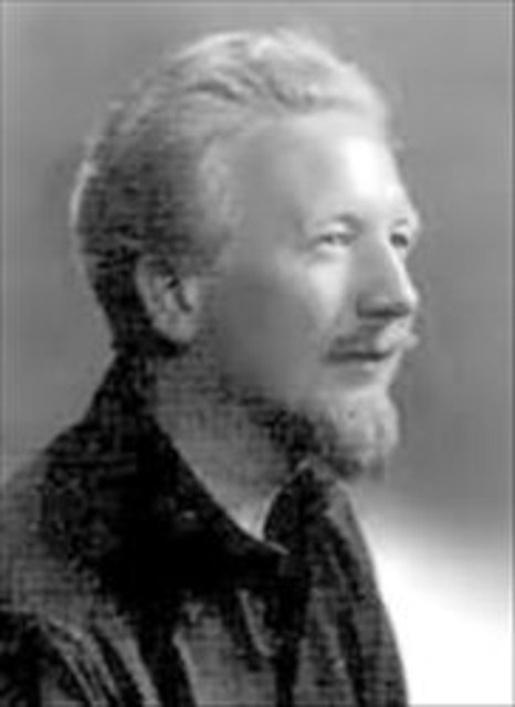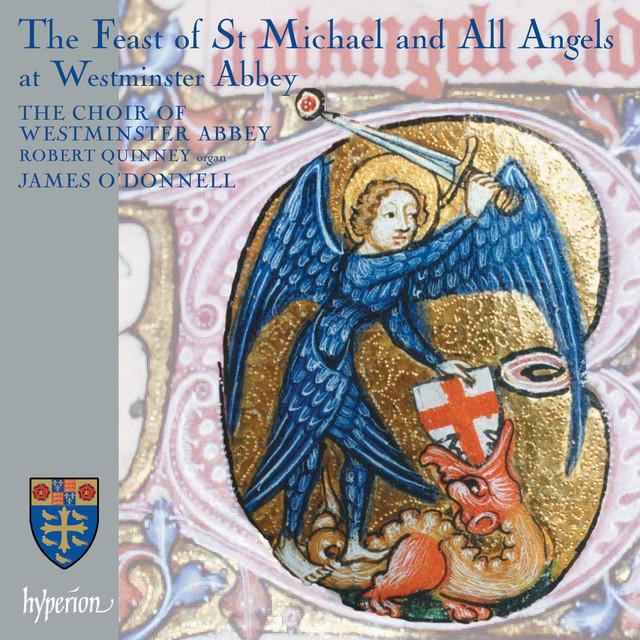
Kenneth Leighton

Classical
Choral
 Viberate Rank: 552227
 Viberate Rank: 552227
 Monthly ListenersFollowers
 Subscribers
 Followers
 Followers
 FansTop Spotify SongsTop YouTube VideosMonthly ListenersFeatured in Playlists
| Playlist | Followers | |
|---|---|---|
1 |  Classical Christmas Spotify | 303.70K |
2 |  Choir Classics Spotify | 302.01K |
3 |  Organ Classics David Djambov | 8.58K |
4 | Organ Music davidjamesmurray | 7.94K |
5 |  Christmas Choral - Traditional English Carols & Hymns Patrick Sullivan | 6.71K |
Audience| City | Monthly Listeners | |
|---|---|---|
1 | | 495 |
2 |  | 137 |
3 | | 110 |
4 | | 95 |
5 |  | 84 |
See full performance history, audience data, playlist activity, rankings, comparisons, and more in Viberate music analytics. Start with a free trial, then continue with a paid plan.
Kenneth Leighton’s Spotify BioComposer Kenneth Leighton was one of the most prominent of his time and place to work primarily in chromatic idioms. He was also an important educator. Leighton wrote works in many forms but is distinguished by his efforts in large settings of sacred choral texts. His works have continued to be recorded into the 21st century.
Leighton was born in Wakefield, in England's Yorkshire region, on October 2, 1929. Atypically among 20th century British composers, he came from a working-class background. His parents recognized his musical abilities and signed him up at Wakefield Cathedral as a boy chorister; staff at the cathedral helped the family acquire a piano, on which Leighton quickly showed talent. Even as a student at the Queen Elizabeth Grammar School, he was writing piano music and songs, and in 1946, at 16, he obtained a Licentiate degree at the Royal Academy of Music. Leighton attended the Queen's College, Oxford, graduating with a degree in Classics in 1950 but also adding music… courses to his program; he earned a bachelor's degree in music in 1951 after composition studies with Bernard Rose. At Oxford, Leighton was noticed by Gerald Finzi and Ralph Vaughan Williams, and his early mature works were in a tonal English mid-century style. After further studies in Italy with Goffredo Petrassi and exposure to contemporary trends in continental European music, his style shifted in a more chromatic direction, and at times, he experimented with serialism. An early mature work that reflected his admiration for Bach was the Fantasia Contrappuntistica for piano of 1956.
Leighton joined the faculty at the University of Edinburgh in Scotland in 1956 and remained there for the rest of his life. Among his students there were several famous figures, including the composer James MacMillan and the conductors Donald Runnicles and Nicholas Cleobury. He wrote more than 100 works and is notable for his concentration on vocal music and specifically on sacred texts, although his works are not always easily classifiable. He wrote several settings of the Catholic mass, including a Sarum Mass (1972). A collection of his vocal music appeared on the album Every Living Creature: Choral Music by Kenneth Leighton, released in 2023 by the Londinium Chamber Choir. His Lully, Lulla, Thou Little Tiny Child, Op. 25a, based on the Coventry Carol, is an especially popular work. Some of his music took inspiration from the Scottish countryside, and he was the composer of Household Pets, Op. 86, for piano. Leighton was the composer of an opera, Columba, Op. 77. He also composed works in abstract instrumental genres, including four piano sonatas, string quartets, and the Symphony No. 1 of 1964. Nearly all of his music has been recorded, a rare accomplishment for a British composer of his time. Leighton died in Edinburgh on August 24, 1988. ~ James Manheim, Rovi
Viberate is a music analytics platform built for A&Rs, artist managers, labels, booking agents, marketers, and artists.
It helps music professionals track artist growth, analyze audience data, monitor playlist activity, compare artists, follow song performance, and identify opportunities across the music market.
Public artist pages provide a free preview of selected artist data. Paid plans provide access to deeper analytics, historical data, charts, comparisons, playlist tools, exports, alerts, reports, and additional professional features.
Yes. Public Viberate artist pages provide selected artist analytics and music data for free.
Viberate also offers a 7-day free trial of the full platform. A credit card is required to start the trial. The trial includes access to the complete product so users can test deeper artist analytics, historical views, playlist insights, comparisons, charts, exports, alerts, and reporting features before choosing a paid plan.
Viberate provides artist analytics across streaming, playlists, social media, video, radio airplay, songs, and audience markets.
Users can analyze Spotify performance, Spotify and Apple Music playlists, YouTube activity, TikTok and Instagram growth, radio spins, song performance, audience locations, demographics, rankings, and overall artist momentum.
Artist profiles also connect to music charts, similar artists, and comparison tools, helping users benchmark performance and evaluate artists in context.
Viberate updates key artist and track data daily.
For followed artists and tracks, selected data is refreshed multiple times per day. This helps teams monitor playlist changes, streaming movement, audience growth, releases, and campaign performance with more current data.
Update frequency can vary depending on the metric and data source.
Yes. Viberate lets users compare up to five artists side by side across streaming, social media, audience, and engagement metrics.
Users can compare fanbase growth, audience demographics, locations, Spotify performance, social metrics, and other artist data over selected time periods.
Artist comparison can be used for A&R scouting, benchmarking, booking decisions, campaign planning, and evaluating artists with similar audiences or market positions.