Kenneka Cook

R&B
Soul
Jazz Fusion
 Viberate Rank: 467021
 Viberate Rank: 467021
 Monthly ListenersFollowers
 Subscribers
 Followers
 Followers
 FansTop Spotify Songs
| Track | 7-Day Streams | |
|---|---|---|
1 | 977 | |
2 | 11 | |
3 | 5 | |
4 | 5 | |
5 | 3 |
Top YouTube VideosMonthly ListenersFeatured in Playlists| Playlist | Followers | |
|---|---|---|
1 |  Jazz-Funk Spotify | 425.89K |
2 |  Discovered Weekly eddershaw | 6.05K |
3 |  Mystery Train with John Kelly rtelyricfm | 5.57K |
4 |  Jassmine Radio Jassmine | 3.43K |
5 |  Indie Drive Barely Sparrow | 2.62K |
Audience| City | Monthly Listeners | |
|---|---|---|
1 | | 42 |
2 | | 31 |
3 | | 31 |
4 | | 30 |
5 | | 30 |
See full performance history, audience data, playlist activity, rankings, comparisons, and more in Viberate music analytics. Start with a free trial, then continue with a paid plan.
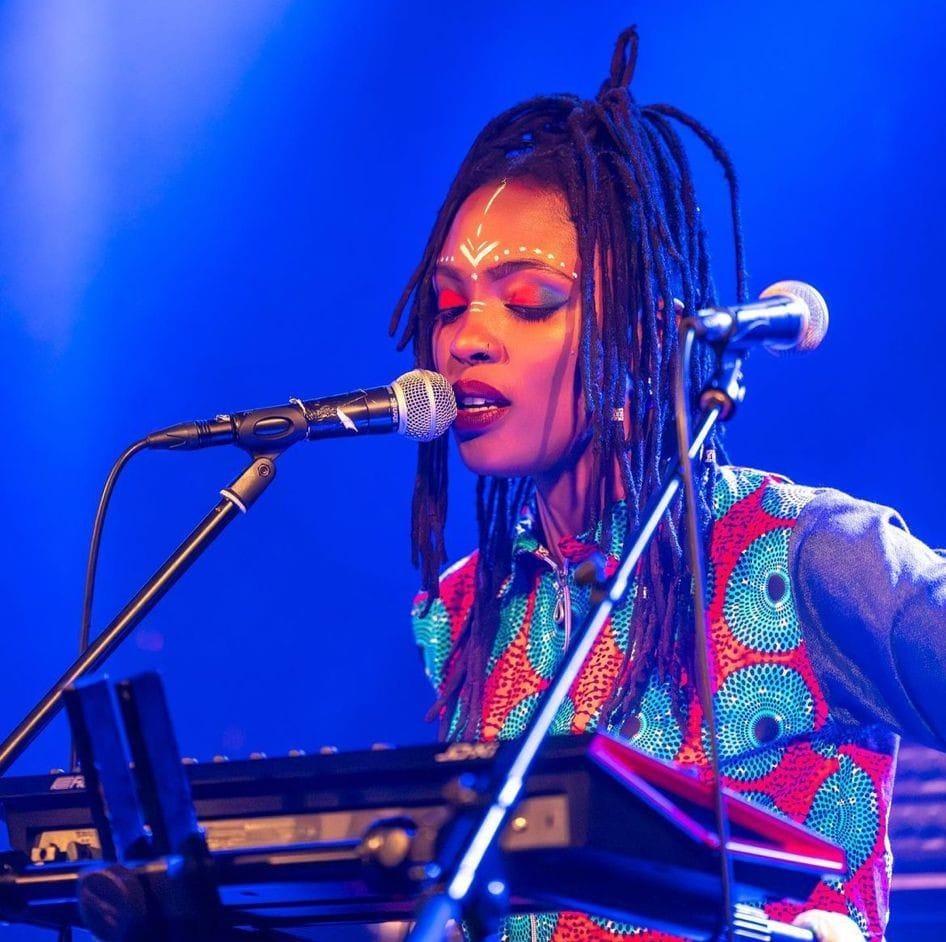
Kenneka Cook’s Spotify BioKenneka Cook has always loved outer space.
Growing up in Richmond, VA, she was obsessed with the moon, staring out her window at the night sky in awe of its mystery. Her debut record Moonchild (2018 on American Paradox) is both a product of her intense connection with the cosmos, as well as a tribute to the embracing of celestial feminine energy. Musically, Cook bridges the gap between beat-driven sonics and melodic jazz in a brazenly colorful debut album.
Cook's early training took place in church choir and school chorus. Her tastes eventually shifted towards heavyweights like Billie Holiday, Erykah Badu, and The Cardigans, informing her confidently playful, harmony-heavy, atmospheric style. Initially she was making acapella songs with a microphone and laptop in college out of necessity, describing her voice as “the only instrument I truly had access to” at the time. She discovered live looping through Reggie Watts and honed her looping skills by arranging old jazz standards. From… there, she began to fully explore writing and creating music, welcoming a variety of live players into the fold to flush out and widen her solo arrangements.
Moonchild is a glimpse through Cook’s lens, exhibiting heartfelt lyrics and melodic themes on spirituality, technology, and social interaction.
Viberate is a music analytics platform built for A&Rs, artist managers, labels, booking agents, marketers, and artists.
It helps music professionals track artist growth, analyze audience data, monitor playlist activity, compare artists, follow song performance, and identify opportunities across the music market.
Public artist pages provide a free preview of selected artist data. Paid plans provide access to deeper analytics, historical data, charts, comparisons, playlist tools, exports, alerts, reports, and additional professional features.
Yes. Public Viberate artist pages provide selected artist analytics and music data for free.
Viberate also offers a 7-day free trial of the full platform. A credit card is required to start the trial. The trial includes access to the complete product so users can test deeper artist analytics, historical views, playlist insights, comparisons, charts, exports, alerts, and reporting features before choosing a paid plan.
Viberate provides artist analytics across streaming, playlists, social media, video, radio airplay, songs, and audience markets.
Users can analyze Spotify performance, Spotify and Apple Music playlists, YouTube activity, TikTok and Instagram growth, radio spins, song performance, audience locations, demographics, rankings, and overall artist momentum.
Artist profiles also connect to music charts, similar artists, and comparison tools, helping users benchmark performance and evaluate artists in context.
Viberate updates key artist and track data daily.
For followed artists and tracks, selected data is refreshed multiple times per day. This helps teams monitor playlist changes, streaming movement, audience growth, releases, and campaign performance with more current data.
Update frequency can vary depending on the metric and data source.
Yes. Viberate lets users compare up to five artists side by side across streaming, social media, audience, and engagement metrics.
Users can compare fanbase growth, audience demographics, locations, Spotify performance, social metrics, and other artist data over selected time periods.
Artist comparison can be used for A&R scouting, benchmarking, booking decisions, campaign planning, and evaluating artists with similar audiences or market positions.