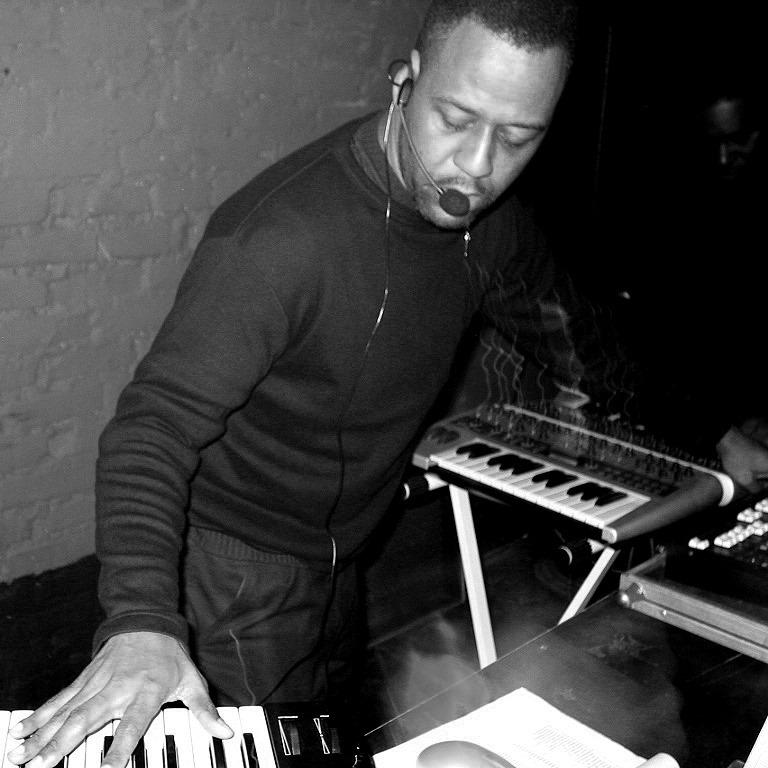
Keith Tucker

Electronic
Techno
Alternative Hip Hop
 Viberate Rank: 364119
 Viberate Rank: 364119
 Monthly ListenersFollowers
 Subscribers
 Followers
 Followers
 FansTop Spotify Songs
| Track | 7-Day Streams | |
|---|---|---|
1 | 109 | |
2 | 109 | |
3 | 50 | |
4 | 35 | |
5 | 35 |
Top YouTube Videos| Video | 7-Day Views | |
|---|---|---|
1 | 40 | |
2 | 3 | |
3 | 3 | |
4 | 3 | |
5 | 3 |
Monthly ListenersFeatured in Playlists| Playlist | Followers | |
|---|---|---|
1 |  The Total Mixtape Ayhan Can Sezer | 29.57K |
2 |  Ghettotech Eric Brightwell | 7.31K |
3 |  Electro & IDM Science Cult | 6.19K |
4 |  Panorama Bar 2026 Marvin Jerome Grimes | 5.12K |
5 |  Detroit Techno 1983-2026—hi-tech jazz, electro funk, electronic soul music, deep house 80s 90s sound Ennio Styles | 4.05K |
Audience| City | Monthly Listeners | |
|---|---|---|
1 |  | 23 |
2 |  | 18 |
3 |  | 10 |
4 |  | 10 |
5 | | 9 |
See full performance history, audience data, playlist activity, rankings, comparisons, and more in Viberate music analytics. Start with a free trial, then continue with a paid plan.
Keith Tucker’s Spotify BioKeith Tucker was a founding member of Detroit electro group Aux 88 before departing in 1996 to pursue various solo projects. One of the key forces responsible for Detroit techno's return to its electro roots, Tucker, along with artists such as "Mad" Mike Banks, Drexciya, and Will Web, helped reinvigorate the waning Detroit sound in the mid-'90s by revisiting some of the elements that made the music in its early form so vibrant and exciting; driving, funk-derived rhythms, futuristic electronics, and down'n'dirty production.
A native of Detroit's rougher East Side neighborhood (where "booty"-style electro and ghetto funk were and are the most popular styles of music), Tucker grew up listening to early Detroit classics such as Cybotron's "Clear" and "R9" and Model 500's "Nite Drive Thru Babylon." A mobile DJ through high school, he formed RX-7 with Tommy Hamilton and Tony Horton in the mid-'80s, playing talent shows and local rap festivals as an electro cover band; their stage show… consisted of a barrage of keyboards and a single drum machine on which they belted out Juan Atkins tunes and a few of originals. RX-7 dissolved in 1990 and Tucker signed with Metroplex (together with Jesse Anderson) as Frequency. He reunited with Hamilton in 1992 to form Aux 88, a group pursuing an even more obviously electro/bass-derived sound than his previous work. The pair released a number of well-received singles and EPs (both as Aux 88 and as Alien FM) as well as the full-length CD/compilation, 88 FM, before Tucker departed in 1996 due to artistic differences (Hamilton continues to record under the name with partner William Smith).
Tucker's subsequent solo work under the names DJ K-1 and Optic Nerve, among others, has appeared through the Direct Beat, Magick Trax, Tresor, and Puzzlebox labels, the latter of which Tucker formed in 1996 with fellow Detroit producer Anthony Shakir (the two record together under the name Da Sampla). Continuing in the new-school vein of his Aux releases, Tucker has pursued both techno and electro on these twelves, with his "K-1 Agenda" (on Direct Beat) and "Lifeform" (on Puzzlebox) the most accomplished of the lot. The Lifeform EP followed in 1997. ~ Sean Cooper, Rovi
Viberate is a music analytics platform built for A&Rs, artist managers, labels, booking agents, marketers, and artists.
It helps music professionals track artist growth, analyze audience data, monitor playlist activity, compare artists, follow song performance, and identify opportunities across the music market.
Public artist pages provide a free preview of selected artist data. Paid plans provide access to deeper analytics, historical data, charts, comparisons, playlist tools, exports, alerts, reports, and additional professional features.
Yes. Public Viberate artist pages provide selected artist analytics and music data for free.
Viberate also offers a 7-day free trial of the full platform. A credit card is required to start the trial. The trial includes access to the complete product so users can test deeper artist analytics, historical views, playlist insights, comparisons, charts, exports, alerts, and reporting features before choosing a paid plan.
Viberate provides artist analytics across streaming, playlists, social media, video, radio airplay, songs, and audience markets.
Users can analyze Spotify performance, Spotify and Apple Music playlists, YouTube activity, TikTok and Instagram growth, radio spins, song performance, audience locations, demographics, rankings, and overall artist momentum.
Artist profiles also connect to music charts, similar artists, and comparison tools, helping users benchmark performance and evaluate artists in context.
Viberate updates key artist and track data daily.
For followed artists and tracks, selected data is refreshed multiple times per day. This helps teams monitor playlist changes, streaming movement, audience growth, releases, and campaign performance with more current data.
Update frequency can vary depending on the metric and data source.
Yes. Viberate lets users compare up to five artists side by side across streaming, social media, audience, and engagement metrics.
Users can compare fanbase growth, audience demographics, locations, Spotify performance, social metrics, and other artist data over selected time periods.
Artist comparison can be used for A&R scouting, benchmarking, booking decisions, campaign planning, and evaluating artists with similar audiences or market positions.