Kayo Shekoni

Pop
Mainstream Pop
Dance
 Viberate Rank: 68389
 Viberate Rank: 68389
 Monthly ListenersFollowers
 Subscribers
 Followers
 Followers
 FansTop Spotify Songs
| Track | 7-Day Streams | |
|---|---|---|
1 | 259.29K | |
2 | 45.22K | |
3 | 26.01K | |
4 | 24.60K | |
5 | 12.24K |
Top YouTube Videos| Video | 7-Day Views | |
|---|---|---|
1 | 19.94K | |
2 | 1.22K | |
3 | 217 | |
4 | 124 | |
5 | 81 |
Monthly ListenersFeatured in Playlists| Playlist | Followers | |
|---|---|---|
1 |  90's Workout Spotify | 645.28K |
2 |  90’s Bangers chris_topher_ | 368.63K |
3 |  Eurodance 90s 💥 Party Songs Filtr Sweden | 336.68K |
4 |  Dance anos 90 e 2000 - CLÁSSICOS Danceanos90 | 197.17K |
5 |  DANCE - FLASH DANCE - FLASH BACK - BALADA Fonoteca Music | 177.75K |
Audience| City | Monthly Listeners | |
|---|---|---|
1 |  | 70.30K |
2 |  | 59.91K |
3 |  | 21.65K |
4 |  | 16.02K |
5 | | 10.11K |
See full performance history, audience data, playlist activity, rankings, comparisons, and more in Viberate music analytics. Start with a free trial, then continue with a paid plan.
Kayo Shekoni’s Spotify BioKayode Maria Shekoni Söderberg was born in Stockholm, Sweden. She is a music artist, theatre actress, trained ballet dancer and television host.
Kayo had her breakthrough in 1980 when she and Gigi Hamilton joined pop group Freestyle and sold gold. In 1990, she released her successful self-titled debut album on legendary record label Swemix, blending rap, hip hop, and soul.
A second album with a pop edge was released in 1993 on BMG Records, this time in Swedish, produced by Orup with big arrangements and orchestrations. Kayo's success was amplified as she reached national fame through movie roles and as a host on Swedish Channel 4.
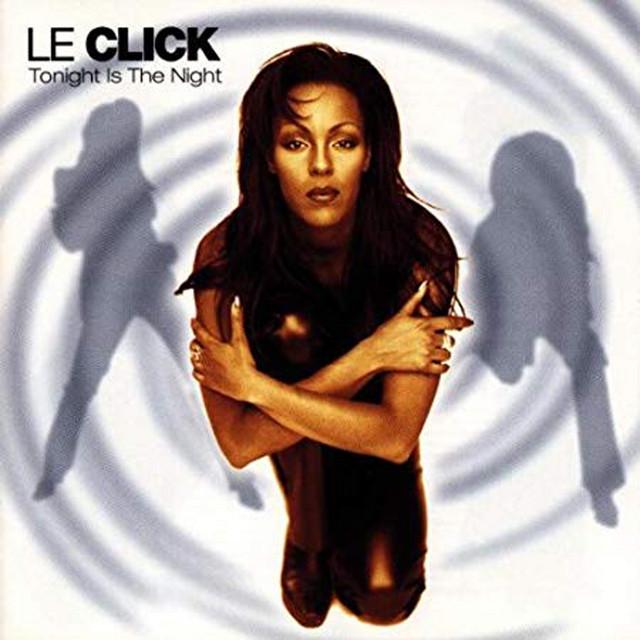
In the mid-nineties Kayo became an international star with Eurodance duo Le Click. The German-American group peaked at number 4 on the Billboard Hot Dance Club Play chart. Kayo has since 2003 replaced the late Melanie Thorton as a member of another Eurodance group: La Bouche.
Kayo became a member of the group Afro-Dite in 2002, along with Blossom Tainton and… Gladys del Pilar. They won the Swedish preselection’s for European Song Contest and went on to represent Sweden in Riga that year. Kayo re-entered the contest in 2006 and has since then continued her work with numerous releases and projects.
She remains a force on international stages, whether she is touring touring the world as an actress or singer, putting together shows for Swedish television or releasing new music, always with a curiosity for her own heritage and for new sounds.
Viberate is a music analytics platform built for A&Rs, artist managers, labels, booking agents, marketers, and artists.
It helps music professionals track artist growth, analyze audience data, monitor playlist activity, compare artists, follow song performance, and identify opportunities across the music market.
Public artist pages provide a free preview of selected artist data. Paid plans provide access to deeper analytics, historical data, charts, comparisons, playlist tools, exports, alerts, reports, and additional professional features.
Yes. Public Viberate artist pages provide selected artist analytics and music data for free.
Viberate also offers a 7-day free trial of the full platform. A credit card is required to start the trial. The trial includes access to the complete product so users can test deeper artist analytics, historical views, playlist insights, comparisons, charts, exports, alerts, and reporting features before choosing a paid plan.
Viberate provides artist analytics across streaming, playlists, social media, video, radio airplay, songs, and audience markets.
Users can analyze Spotify performance, Spotify and Apple Music playlists, YouTube activity, TikTok and Instagram growth, radio spins, song performance, audience locations, demographics, rankings, and overall artist momentum.
Artist profiles also connect to music charts, similar artists, and comparison tools, helping users benchmark performance and evaluate artists in context.
Viberate updates key artist and track data daily.
For followed artists and tracks, selected data is refreshed multiple times per day. This helps teams monitor playlist changes, streaming movement, audience growth, releases, and campaign performance with more current data.
Update frequency can vary depending on the metric and data source.
Yes. Viberate lets users compare up to five artists side by side across streaming, social media, audience, and engagement metrics.
Users can compare fanbase growth, audience demographics, locations, Spotify performance, social metrics, and other artist data over selected time periods.
Artist comparison can be used for A&R scouting, benchmarking, booking decisions, campaign planning, and evaluating artists with similar audiences or market positions.