Kavale

Hip Hop
Trap
Alternative Hip Hop
 Viberate Rank: 221097
 Viberate Rank: 221097
 Monthly ListenersFollowers
 Subscribers
 Followers
 Followers
 FansTop Spotify Songs
| Track | 7-Day Streams | |
|---|---|---|
1 | 592 | |
2 | 554 | |
3 | 83 | |
4 | 80 | |
5 | 50 |
Top YouTube VideosMonthly ListenersFeatured in Playlists| Playlist | Followers | |
|---|---|---|
1 |  One Playlist @justin.tilley | 72.18K |
2 |  The Trap House azzes | 55.19K |
3 | Hip-Hop daily HipHop Hotness | 26.64K |
4 | DRIVE VIBES bangeroftheday | 15.55K |
5 |  TRAPSOUL Yuka Uehara | 10.43K |
Audience| City | Monthly Listeners | |
|---|---|---|
1 | | 103 |
2 |  | 46 |
3 | | 45 |
4 | | 40 |
5 | | 39 |
See full performance history, audience data, playlist activity, rankings, comparisons, and more in Viberate music analytics. Start with a free trial, then continue with a paid plan.
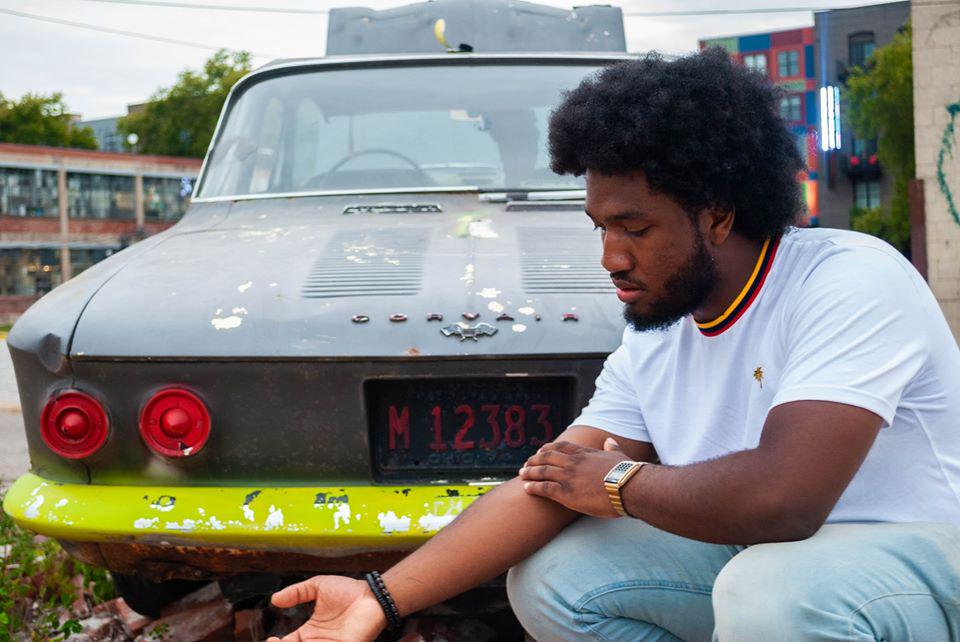
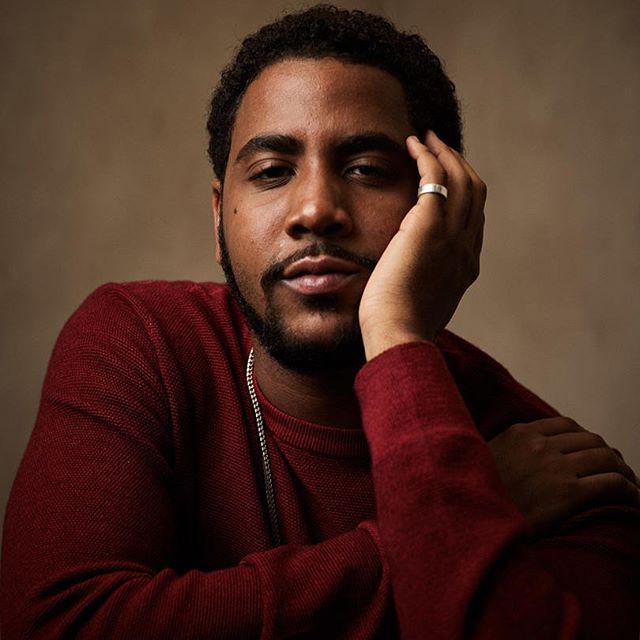
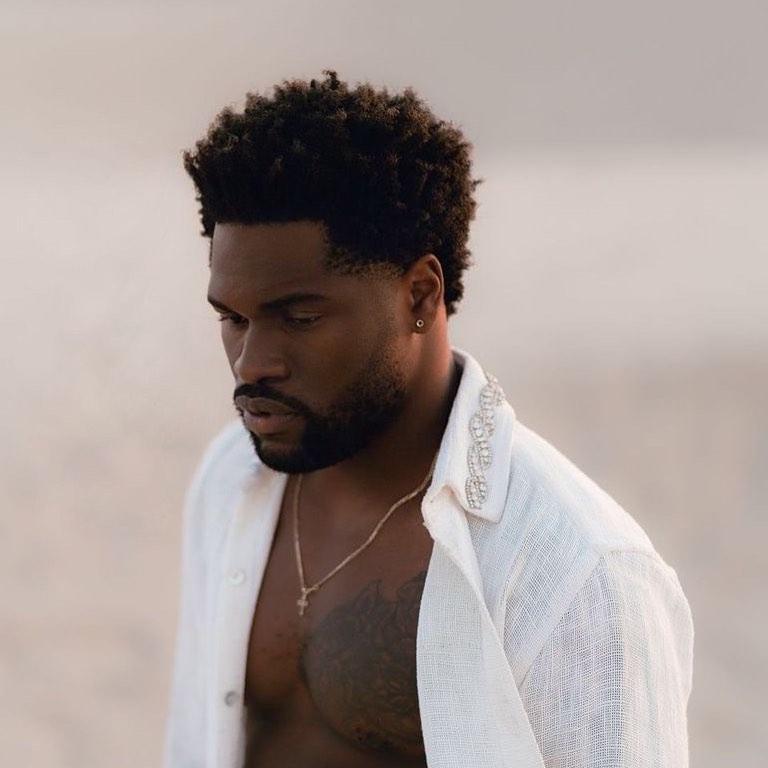
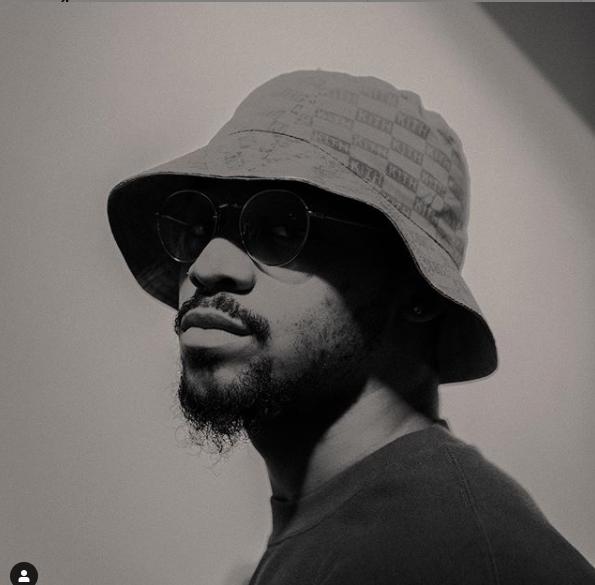
Kavale’s Spotify BioKavale is a Canadian alternative hip-hop/r&b recording artist and producer from Toronto, ON. His versatility, which he attributes largely to the environment he grew up in where multi-faceted skillsets were a necessity, has become one of the musician’s defining traits. There’s no single lane he occupies, giving him adequate room to express creatively.
Born in 1991 as Oneko McTaggart, Kavale started experimenting and recording at the age of nine; the singer, songwriter, and rapper’s first experiences were split between the church choir and his sister’s piano and voice lessons, where he’d sneak in and acutely absorb all she was being taught. He’d record his first original songs to tape with a microphone connected to a makeshift stereo recording system. That foray into music blossomed quickly, as he was soon making demos inspired by some of his direct influences including Ludacris, Usher, and Kanye West (whose sample-driven style catalyzed him into producing himself).
His trajectory into… music professionally was imperfect and staggered, facing tons of adversity along the way. But Kavale is a musician’s musician, and is an artist for any era. His reemergence from his hiatus comes with a fine-tuned grasp of his craft. And his unapologetic nature, with such rawness and honesty, exists to challenge the status quo and inspire above all else.
Viberate is a music analytics platform built for A&Rs, artist managers, labels, booking agents, marketers, and artists.
It helps music professionals track artist growth, analyze audience data, monitor playlist activity, compare artists, follow song performance, and identify opportunities across the music market.
Public artist pages provide a free preview of selected artist data. Paid plans provide access to deeper analytics, historical data, charts, comparisons, playlist tools, exports, alerts, reports, and additional professional features.
Yes. Public Viberate artist pages provide selected artist analytics and music data for free.
Viberate also offers a 7-day free trial of the full platform. A credit card is required to start the trial. The trial includes access to the complete product so users can test deeper artist analytics, historical views, playlist insights, comparisons, charts, exports, alerts, and reporting features before choosing a paid plan.
Viberate provides artist analytics across streaming, playlists, social media, video, radio airplay, songs, and audience markets.
Users can analyze Spotify performance, Spotify and Apple Music playlists, YouTube activity, TikTok and Instagram growth, radio spins, song performance, audience locations, demographics, rankings, and overall artist momentum.
Artist profiles also connect to music charts, similar artists, and comparison tools, helping users benchmark performance and evaluate artists in context.
Viberate updates key artist and track data daily.
For followed artists and tracks, selected data is refreshed multiple times per day. This helps teams monitor playlist changes, streaming movement, audience growth, releases, and campaign performance with more current data.
Update frequency can vary depending on the metric and data source.
Yes. Viberate lets users compare up to five artists side by side across streaming, social media, audience, and engagement metrics.
Users can compare fanbase growth, audience demographics, locations, Spotify performance, social metrics, and other artist data over selected time periods.
Artist comparison can be used for A&R scouting, benchmarking, booking decisions, campaign planning, and evaluating artists with similar audiences or market positions.