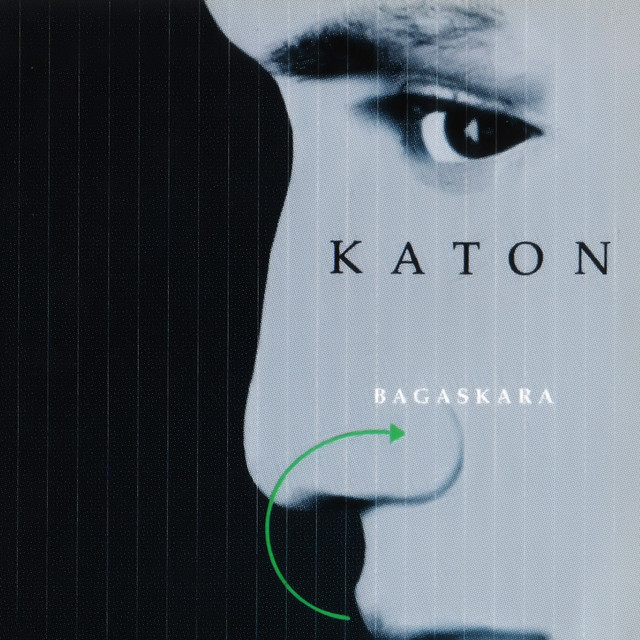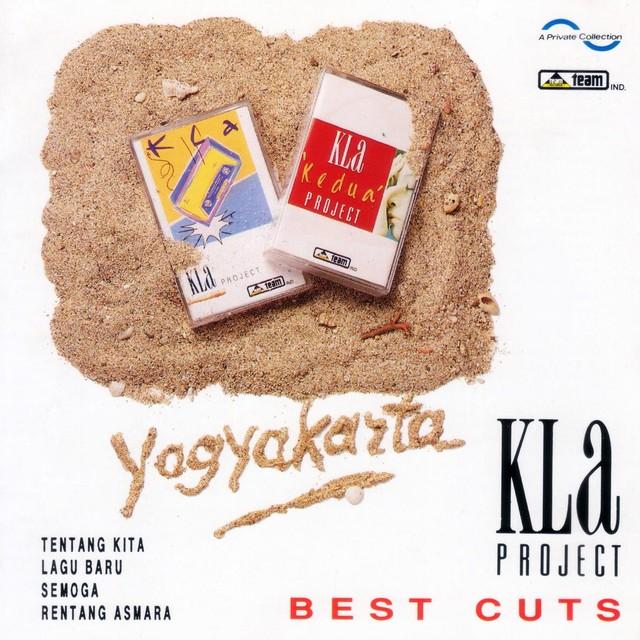
Katon Bagaskara

Pop
Indonesian Pop
 Viberate Rank: 34687
 Viberate Rank: 34687
 Monthly ListenersFollowers
 Subscribers
 Followers
 Followers
 FansTop Spotify Songs
| Track | 7-Day Streams | |
|---|---|---|
1 | 37.56K | |
2 | 34.18K | |
3 | 17.10K | |
4 | 11.36K | |
5 | 8.79K |
Top YouTube Videos| Video | 7-Day Views | |
|---|---|---|
1 | 22.17K | |
2 | 16.18K | |
3 | 12.42K | |
4 | 11.42K | |
5 | 7.47K |
Monthly ListenersFeatured in Playlists| Playlist | Followers | |
|---|---|---|
1 |  Nostalgia 90 Spotify | 397.40K |
2 |  Kilas Balik Spotify | 254.10K |
3 |  This Is Melly Goeslaw Spotify | 53.69K |
4 |  This Is Hivi! Spotify | 23.84K |
5 | Lagu Nostalgia Tahun 90-99 Nugroho | 15.83K |
Audience| City | Monthly Listeners | |
|---|---|---|
1 | | 33.44K |
2 | | 21.16K |
3 | | 16.52K |
4 | | 12.11K |
5 | | 11.83K |
See full performance history, audience data, playlist activity, rankings, comparisons, and more in Viberate music analytics. Start with a free trial, then continue with a paid plan.
Katon Bagaskara’s Spotify BioPada tahun 1988, Katon Bagaskara bersama teman-temannya, Lilo, Adi, dan Ari, membentuk grup musik KLa Project. Kemudian Katon juga ber-Solo Karir sejak tahun 1993 sampai sekarang.
Lagu Hits KLa Project pertama adalah "Tentang Kita". Album pertama bertajuk "KLa Project" dirilis tahun 1988. Menyusul Hits KLa selanjutnya seperti Yogyakarta, Tak Bisa Ke Lain Hati dan lainnya. Sampai tahun 1999, KLa Project telah mengeluarkan 8 album dan 2 buah album kompilasi lagu-lagu terbaik mereka. Ditambah 1 album "New Chapter" yang dirilis pada 2004 dengan bendera "NuKLa". Eksistensi KLa Project sangat dipengaruhi oleh lirik puitis yang sarat makna. Kreasi Katon Bagaskara dalam menciptakan lirik dan lagu melahirkan gaya baru dalam dunia musik pop tanah air. Akhir tahun 2008, KLa Project kembali menelurkan mini album bertajuk KLa Returns. Lalu dengan formasi bertiga, KLa Project merilis album bertajuk Exellentia di penghujung 2010.
Pada tahun 1993, Katon Bagaskara telah merilis album Solo Karirnya… berjudul "Katon Bagaskara (Selftitled)" dan langsung melejit dengan Hitsnya "Dinda Dimana" dan "Negri di Awan". Menyusul Hits Katon berikutnya seperti Cinta Putih, Selembut Awan, Dengan Logika, Meniti Hutan Cemara, Taksu Pulau Dewata dan banyak lagi.
Sejak saat itu, disamping terus berkarya bersama KLa Project, Katon telah merilis 7 buah album Solo Karir, dan beberapa single baru di bawah Label B-Pro.
Viberate is a music analytics platform built for A&Rs, artist managers, labels, booking agents, marketers, and artists.
It helps music professionals track artist growth, analyze audience data, monitor playlist activity, compare artists, follow song performance, and identify opportunities across the music market.
Public artist pages provide a free preview of selected artist data. Paid plans provide access to deeper analytics, historical data, charts, comparisons, playlist tools, exports, alerts, reports, and additional professional features.
Yes. Public Viberate artist pages provide selected artist analytics and music data for free.
Viberate also offers a 7-day free trial of the full platform. A credit card is required to start the trial. The trial includes access to the complete product so users can test deeper artist analytics, historical views, playlist insights, comparisons, charts, exports, alerts, and reporting features before choosing a paid plan.
Viberate provides artist analytics across streaming, playlists, social media, video, radio airplay, songs, and audience markets.
Users can analyze Spotify performance, Spotify and Apple Music playlists, YouTube activity, TikTok and Instagram growth, radio spins, song performance, audience locations, demographics, rankings, and overall artist momentum.
Artist profiles also connect to music charts, similar artists, and comparison tools, helping users benchmark performance and evaluate artists in context.
Viberate updates key artist and track data daily.
For followed artists and tracks, selected data is refreshed multiple times per day. This helps teams monitor playlist changes, streaming movement, audience growth, releases, and campaign performance with more current data.
Update frequency can vary depending on the metric and data source.
Yes. Viberate lets users compare up to five artists side by side across streaming, social media, audience, and engagement metrics.
Users can compare fanbase growth, audience demographics, locations, Spotify performance, social metrics, and other artist data over selected time periods.
Artist comparison can be used for A&R scouting, benchmarking, booking decisions, campaign planning, and evaluating artists with similar audiences or market positions.