Katalyst

Hip Hop
Alternative Hip Hop
Contemporary Hip Hop
 Viberate Rank: 263824
 Viberate Rank: 263824
 Monthly ListenersFollowers
 Subscribers
 Followers
 Followers
 FansTop Spotify Songs
| Track | 7-Day Streams | |
|---|---|---|
1 | 4.35K | |
2 | 1.13K | |
3 | 460 | |
4 | 282 | |
5 | 235 |
Top YouTube VideosMonthly ListenersFeatured in Playlists| Playlist | Followers | |
|---|---|---|
1 |  Lofi 90's Hip Hop Skyler Lloyd | 66.93K |
2 | lisa_anthem | 35.27K |
3 |  Jazzy Hip Hop Smokersblend | 25.86K |
4 |  Living In My Headphones James Lavelle (UNKLE) | 16.04K |
5 | Lounge jazz domvinho2 | 11.15K |
Audience| City | Monthly Listeners | |
|---|---|---|
1 | | 573 |
2 | | 453 |
3 | | 315 |
4 |  | 281 |
5 | | 239 |
See full performance history, audience data, playlist activity, rankings, comparisons, and more in Viberate music analytics. Start with a free trial, then continue with a paid plan.
Katalyst’s Spotify BioUnder the moniker of Katalyst, producer/DJ/label boss Ashley Anderson had an important role in furthering the cause of intelligent hip-hop in general, and its Southern hemisphere subset in particular, while also creating a diverse catalog of dance remixes, original soul, and funk. Before he settled on the name Katalyst, Anderson worked under the name Moonrock. A self-titled album in 1998 and a few tracks on the Café del Mar compilation series (of songs to listen to while watching sunsets in Ibiza) were the main products of his Moonrock period.
The first Katalyst song was pressed onto the distinctively green vinyl of one of the Dope on Plastic records. In 2001 Katalyst and friend Geoff Barrow, producer/instrumentalist and founder of Portishead, began their own label, Invada Records. That label's first release was 2002's Manipulating Agent, Anderson's first album under his new moniker. It was followed a year later by a remix album, Agent Manipulated.
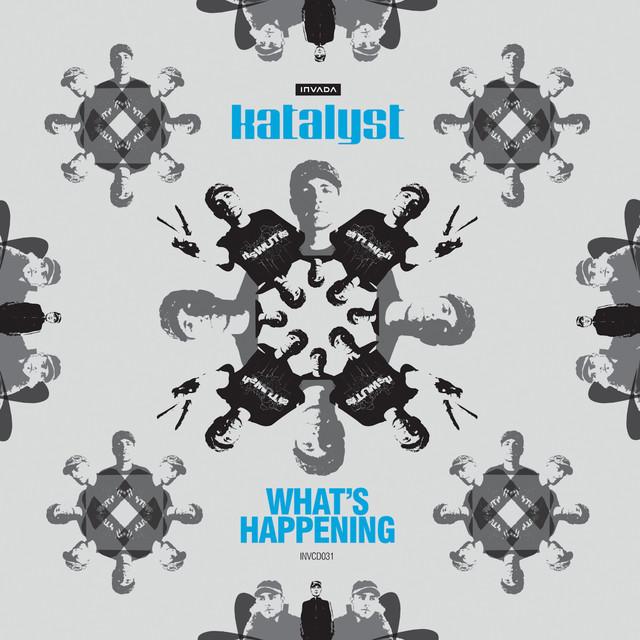
After doing remix work for the likes of… Gift of Gab, Machine Gun Fellatio, Ugly Duckling, and the Next Men and spending more and more time focused on the business side of running a label, Katalyst returned to recording in 2007 with What's Happening. Broadening his scope, he worked with vocalists from the rap world as well as soul singers like Stephanie McKay and Steve Spacek and rock vocalist Adalita Srsen of the band Magic Dirt. To lend a sense of unification to the varied material, he called on each performer to write a social commentary song about something current and political, hence the title What's Happening (a reference to Marvin Gaye's What's Going On). Continuing the theme, the film clip for "Say What You Feel" (featuring Stephanie McKay) mingled black-and-white footage from protest marches of the '60s, '70s, and 2000s. ~ Jody Macgregor, Rovi
Viberate is a music analytics platform built for A&Rs, artist managers, labels, booking agents, marketers, and artists.
It helps music professionals track artist growth, analyze audience data, monitor playlist activity, compare artists, follow song performance, and identify opportunities across the music market.
Public artist pages provide a free preview of selected artist data. Paid plans provide access to deeper analytics, historical data, charts, comparisons, playlist tools, exports, alerts, reports, and additional professional features.
Yes. Public Viberate artist pages provide selected artist analytics and music data for free.
Viberate also offers a 7-day free trial of the full platform. A credit card is required to start the trial. The trial includes access to the complete product so users can test deeper artist analytics, historical views, playlist insights, comparisons, charts, exports, alerts, and reporting features before choosing a paid plan.
Viberate provides artist analytics across streaming, playlists, social media, video, radio airplay, songs, and audience markets.
Users can analyze Spotify performance, Spotify and Apple Music playlists, YouTube activity, TikTok and Instagram growth, radio spins, song performance, audience locations, demographics, rankings, and overall artist momentum.
Artist profiles also connect to music charts, similar artists, and comparison tools, helping users benchmark performance and evaluate artists in context.
Viberate updates key artist and track data daily.
For followed artists and tracks, selected data is refreshed multiple times per day. This helps teams monitor playlist changes, streaming movement, audience growth, releases, and campaign performance with more current data.
Update frequency can vary depending on the metric and data source.
Yes. Viberate lets users compare up to five artists side by side across streaming, social media, audience, and engagement metrics.
Users can compare fanbase growth, audience demographics, locations, Spotify performance, social metrics, and other artist data over selected time periods.
Artist comparison can be used for A&R scouting, benchmarking, booking decisions, campaign planning, and evaluating artists with similar audiences or market positions.