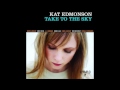
Kat Edmonson

Pop
Mainstream Pop
Vocal jazz
 Viberate Rank: 56155
 Viberate Rank: 56155
 Monthly ListenersFollowers
 Subscribers
 Followers
 Followers
 FansTop Spotify Songs
| Track | 7-Day Streams | |
|---|---|---|
1 | 87.52K | |
2 | 58.54K | |
3 | 48.75K | |
4 | 46.05K | |
5 | 30.19K |
Top YouTube VideosMonthly ListenersFeatured in Playlists| Playlist | Followers | |
|---|---|---|
1 |  Women of Jazz Spotify | 865.65K |
2 |  Easy Jazz Spotify | 751.18K |
3 |  Feel Good Jazz Spotify | 549.61K |
4 |  Bossa Chill Spotify | 409.21K |
5 |  Sweet Jazz Spotify | 301.75K |
Audience| City | Monthly Listeners | |
|---|---|---|
1 |  | 6.31K |
2 |  | 5.18K |
3 |  | 4.83K |
4 |  | 4.78K |
5 |  | 4.33K |
See full performance history, audience data, playlist activity, rankings, comparisons, and more in Viberate music analytics. Start with a free trial, then continue with a paid plan.
Kat Edmonson’s Spotify BioPossessing a fleet, light voice and a sly touch, jazz vocalist Kat Edmonson brings both the songs and the sensibility of the Great American Songbook into the 21st century. Her 2009 debut album, Take to the Sky, split the difference between Cole Porter and the Cure, and as she continued to record over the course of the 2010s, she started to incorporate more and more original material on her albums. In 2020, she tipped the balance back toward covers with Dreamers Do.
A native of Houston, Texas, Edmonson began to write songs as a child, and after attending South Carolina's College of Charleston for a time, she relocated to Austin, Texas to pursue a musical career. After an unsuccessful audition for the second season of American Idol, she hunkered down in Austin and developed her idiosyncratic vocal style.
In 2009, she independently released her debut, Take to the Sky, which wound up climbing into the Top 20 of the Billboard jazz charts. Three years later she issued Way Down Low, which made… it to number three on the jazz chart and number one on the Heatseekers chart in the wake of positive notices on NPR and in The New York Times. After Way Down Low, Edmonson signed to Sony Masterworks, which released The Big Picture in 2014. Featuring production by Mitchell Froom, it returned her to the top of the Heatseekers chart and climbed to number two on the Jazz Albums chart.
She made an appearance as a singer in Woody Allen's 2016 film Café Society before starting work on her fourth album. Produced by Edmonson, the resulting Old Fashioned Gal was issued in 2018 and became another Top Three jazz album for the singer and songwriter. Two years later, the mostly covers album Dreamers Do was co-produced with Aaron Thurston of indie rock group French Kicks. It featured a guest spot by Bill Frisell on her version of the Disney tune "The Age of Not Believing" from Bedknobs and Broomsticks. ~ Stephen Thomas Erlewine, Rovi
Viberate is a music analytics platform built for A&Rs, artist managers, labels, booking agents, marketers, and artists.
It helps music professionals track artist growth, analyze audience data, monitor playlist activity, compare artists, follow song performance, and identify opportunities across the music market.
Public artist pages provide a free preview of selected artist data. Paid plans provide access to deeper analytics, historical data, charts, comparisons, playlist tools, exports, alerts, reports, and additional professional features.
Yes. Public Viberate artist pages provide selected artist analytics and music data for free.
Viberate also offers a 7-day free trial of the full platform. A credit card is required to start the trial. The trial includes access to the complete product so users can test deeper artist analytics, historical views, playlist insights, comparisons, charts, exports, alerts, and reporting features before choosing a paid plan.
Viberate provides artist analytics across streaming, playlists, social media, video, radio airplay, songs, and audience markets.
Users can analyze Spotify performance, Spotify and Apple Music playlists, YouTube activity, TikTok and Instagram growth, radio spins, song performance, audience locations, demographics, rankings, and overall artist momentum.
Artist profiles also connect to music charts, similar artists, and comparison tools, helping users benchmark performance and evaluate artists in context.
Viberate updates key artist and track data daily.
For followed artists and tracks, selected data is refreshed multiple times per day. This helps teams monitor playlist changes, streaming movement, audience growth, releases, and campaign performance with more current data.
Update frequency can vary depending on the metric and data source.
Yes. Viberate lets users compare up to five artists side by side across streaming, social media, audience, and engagement metrics.
Users can compare fanbase growth, audience demographics, locations, Spotify performance, social metrics, and other artist data over selected time periods.
Artist comparison can be used for A&R scouting, benchmarking, booking decisions, campaign planning, and evaluating artists with similar audiences or market positions.