Karolina Błońska

Pop
Indie Pop
 Viberate Rank: 215292
 Viberate Rank: 215292
 Monthly ListenersFollowers
 Subscribers
 Followers
 Followers
 FansTop Spotify Songs
| Track | 7-Day Streams | |
|---|---|---|
1 | 279 | |
2 | 116 | |
3 | 83 | |
4 | 72 | |
5 | 70 |
Top YouTube VideosMonthly ListenersFeatured in Playlists| Playlist | Followers | |
|---|---|---|
1 |  EQUAL Polska Spotify | 29.05K |
Audience| City | Monthly Listeners | |
|---|---|---|
1 | | 194 |
2 | | 76 |
3 | | 66 |
4 | | 57 |
5 | | 57 |
See full performance history, audience data, playlist activity, rankings, comparisons, and more in Viberate music analytics. Start with a free trial, then continue with a paid plan.
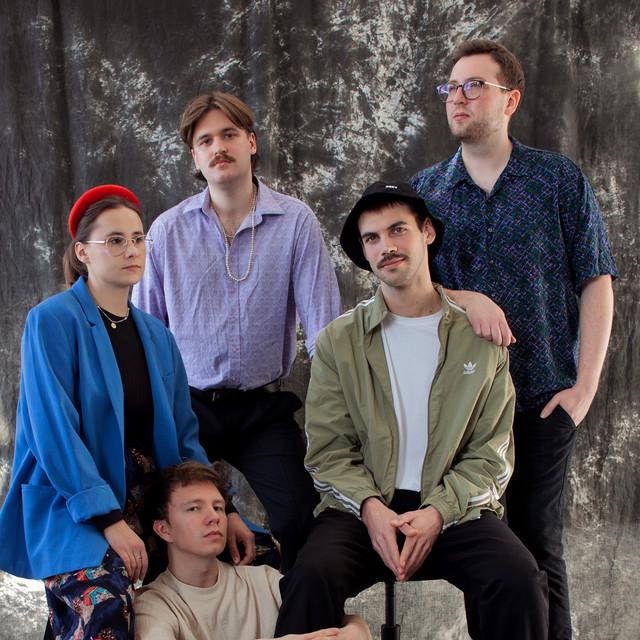
Karolina Błońska’s Spotify BioKarolina zaczynała od śpiewania cudzych piosenek, ale dość szybko zaczęła pisać własne. Pisze słowa i muzykę akompaniując sobie na gitarze lub pianinie. Początkowo pisała piosenki po angielsku. W 2017 roku poznała Krzyśka Łochowicza, gitarzystę współpracującego wcześniej z Melą Koteluk i Darią Zawiałow a obecnie z Pawłem Domagałą. Krzysiek namówił Karolinę na pisanie piosenek po polsku, oraz zaproponował wspólną pracę nad produkcją tych piosenek. W zaciszu domowej pracowni powstawały kolejne utwory, aż w końcu powstał z nich materiał który może zapełnić cały album.
Być może da się na tym albumie usłyszeć wpływy muzyki takich artystów jak Finneas, Lennon Stella, Ashe, Skott, Regina Spektor, Sigrid czy Aurora, ponieważ to są ulubieni artyści Karoliny. Być może jednak powstały piosenki, które bardziej są wynikiem połączenia wrażliwości Krzyśka i Karoliny, niż wpływów zewnętrznych.
Bo Karolina tworzy piosenki bardzo osobiste. Impulsem do ich powstania często są prawdziwe przeżycia, relacje z… bliskimi osobami, konkretne wydarzenia i emocje, które im towarzyszyły. Opisanie ich w piosenkach pozwala Karolinie je nazwać, poukładać i zamknąć pewne etapy w życiu. Jest to twórczość bardzo szczera i emocjonalnie naładowana. Być może też dzięki temu słuchacze będą mogli znaleźć na nadchodzącym albumie emocje, z którymi będą mogli się utożsamić.
Viberate is a music analytics platform built for A&Rs, artist managers, labels, booking agents, marketers, and artists.
It helps music professionals track artist growth, analyze audience data, monitor playlist activity, compare artists, follow song performance, and identify opportunities across the music market.
Public artist pages provide a free preview of selected artist data. Paid plans provide access to deeper analytics, historical data, charts, comparisons, playlist tools, exports, alerts, reports, and additional professional features.
Yes. Public Viberate artist pages provide selected artist analytics and music data for free.
Viberate also offers a 7-day free trial of the full platform. A credit card is required to start the trial. The trial includes access to the complete product so users can test deeper artist analytics, historical views, playlist insights, comparisons, charts, exports, alerts, and reporting features before choosing a paid plan.
Viberate provides artist analytics across streaming, playlists, social media, video, radio airplay, songs, and audience markets.
Users can analyze Spotify performance, Spotify and Apple Music playlists, YouTube activity, TikTok and Instagram growth, radio spins, song performance, audience locations, demographics, rankings, and overall artist momentum.
Artist profiles also connect to music charts, similar artists, and comparison tools, helping users benchmark performance and evaluate artists in context.
Viberate updates key artist and track data daily.
For followed artists and tracks, selected data is refreshed multiple times per day. This helps teams monitor playlist changes, streaming movement, audience growth, releases, and campaign performance with more current data.
Update frequency can vary depending on the metric and data source.
Yes. Viberate lets users compare up to five artists side by side across streaming, social media, audience, and engagement metrics.
Users can compare fanbase growth, audience demographics, locations, Spotify performance, social metrics, and other artist data over selected time periods.
Artist comparison can be used for A&R scouting, benchmarking, booking decisions, campaign planning, and evaluating artists with similar audiences or market positions.