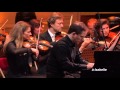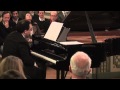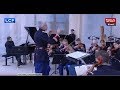
Karol Beffa

Classical
Classical Crossover
 Viberate Rank: 504641
 Viberate Rank: 504641
 Monthly ListenersFollowers
 Subscribers
 Followers
 Followers
 FansTop Spotify SongsTop YouTube Videos
| Video | 7-Day Views | |
|---|---|---|
1 | 14 | |
2 | 13 | |
3 | 10 | |
4 | 8 | |
5 | 8 |
Monthly ListenersFeatured in Playlists| Playlist | Followers | |
|---|---|---|
1 |  Neo Classicals Alen Golpashin | 7.79K |
2 |  Fantasy TTRPG - Background & Beginnings BatteryApple | 4.40K |
3 | Classical Saxophone 121482224 | 2.58K |
4 |  Silent Film Music synnöve_granat | 2.10K |
5 |  Histoires et contes pour les 3-6ans - Gallimard Jeunesse Gallimard Jeunesse | 2.08K |
Audience| City | Monthly Listeners | |
|---|---|---|
1 |  | 64 |
2 | | 41 |
3 | | 29 |
4 | | 21 |
5 |  | 18 |
See full performance history, audience data, playlist activity, rankings, comparisons, and more in Viberate music analytics. Start with a free trial, then continue with a paid plan.
Karol Beffa’s Spotify BioKarol Beffa has led an eclectic life, starting out as a child actor and later securing several degrees outside the musical world to establish a career as a composer and pianist. Beffa's growing catalog spans many genres, from solo instrumental and chamber ensembles of varying sizes to larger-scale works, such as operas, symphonic music, and ballet. He has also returned to acting and is an author.
Beffa was born in Paris on October 27, 1973. He appeared in several films as a child actor, including in the role of an eight-year-old Mozart in a television movie by Marcel Bluwal. Following his child acting exploits, Beffa was admitted to the Paris Conservatory, where he studied with Thierry Escaich and Marc-André Dalbavie. During this time, he also attended the École Normale Supérieure, earning a bachelor's degree in history and master's degrees in English and mathematics. He also earned a master's in philosophy from Cambridge University. While he was at the Paris Conservatory, Beffa earned… a total of eight first prizes (including for orchestration, vocal accompaniment, and piano improvisation) before earning agrégation in 1996 and beginning his teaching career at the Paris-Sorbonne University in 1998. In 2003, Beffa earned a doctorate in musicology and left his post at the Paris-Sorbonne University. The following year, he became an associate professor at the École Normale Supérieure.
As a pianist, along with his compositions and works from the broader repertoire, Beffa often improvises in concert on suggestions from his audience. He also regularly accompanies silent films. In 2006, his two Masques were included on the album Inventions by Gautier and Renaud Capuçon. The following year, he wrote a Violin Concerto for Renaud Capuçon and followed it up in 2009 with a Piano Concerto for Boris Berezovsky. He has since written several more concertos, including ones for trumpet (2012), harp (2013), and mandolin (2016). Among his other large-scale works are three operas and the ballet Corps et Ames. A successful author as well, Beffa has collaborated with Guillaume Métayer on a series of children's books where the two main characters, Sol & Rémi, meet famous historical composers. As of 2023, the duo had met Ravel, Beethoven, and Satie. That year, his work Tabula rasa, for violin and piano, was heard on the album Change by Elsa de Lacerda and Pierre Solot. ~ Keith Finke, Rovi
Viberate is a music analytics platform built for A&Rs, artist managers, labels, booking agents, marketers, and artists.
It helps music professionals track artist growth, analyze audience data, monitor playlist activity, compare artists, follow song performance, and identify opportunities across the music market.
Public artist pages provide a free preview of selected artist data. Paid plans provide access to deeper analytics, historical data, charts, comparisons, playlist tools, exports, alerts, reports, and additional professional features.
Yes. Public Viberate artist pages provide selected artist analytics and music data for free.
Viberate also offers a 7-day free trial of the full platform. A credit card is required to start the trial. The trial includes access to the complete product so users can test deeper artist analytics, historical views, playlist insights, comparisons, charts, exports, alerts, and reporting features before choosing a paid plan.
Viberate provides artist analytics across streaming, playlists, social media, video, radio airplay, songs, and audience markets.
Users can analyze Spotify performance, Spotify and Apple Music playlists, YouTube activity, TikTok and Instagram growth, radio spins, song performance, audience locations, demographics, rankings, and overall artist momentum.
Artist profiles also connect to music charts, similar artists, and comparison tools, helping users benchmark performance and evaluate artists in context.
Viberate updates key artist and track data daily.
For followed artists and tracks, selected data is refreshed multiple times per day. This helps teams monitor playlist changes, streaming movement, audience growth, releases, and campaign performance with more current data.
Update frequency can vary depending on the metric and data source.
Yes. Viberate lets users compare up to five artists side by side across streaming, social media, audience, and engagement metrics.
Users can compare fanbase growth, audience demographics, locations, Spotify performance, social metrics, and other artist data over selected time periods.
Artist comparison can be used for A&R scouting, benchmarking, booking decisions, campaign planning, and evaluating artists with similar audiences or market positions.