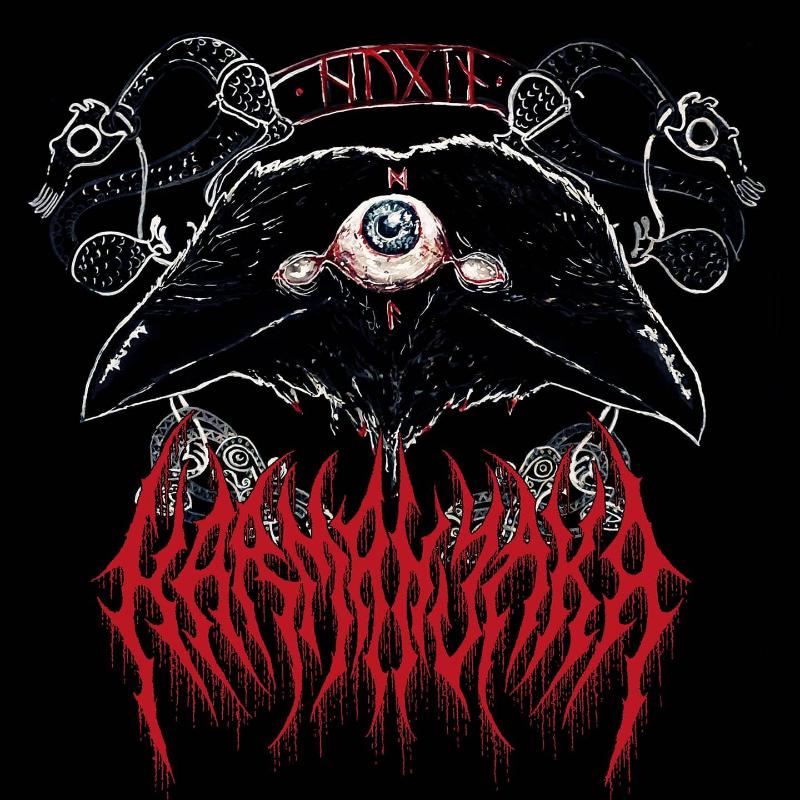
Karmanjaka

Metal
Black Metal
Death Metal
 Viberate Rank: 655164
 Viberate Rank: 655164
 Monthly ListenersFollowers
 Subscribers
 Followers
 Followers
 FansTop Spotify Songs
| Track | 7-Day Streams | |
|---|---|---|
1 | 6 | |
2 | 5 | |
3 | 3 | |
4 | 3 | |
5 | 2 |
Top YouTube Videos| Video | 7-Day Views | |
|---|---|---|
1 | 1 |
Monthly ListenersFeatured in PlaylistsAudience| City | Monthly Listeners | |
|---|---|---|
1 | | 3 |
See full performance history, audience data, playlist activity, rankings, comparisons, and more in Viberate music analytics. Start with a free trial, then continue with a paid plan.
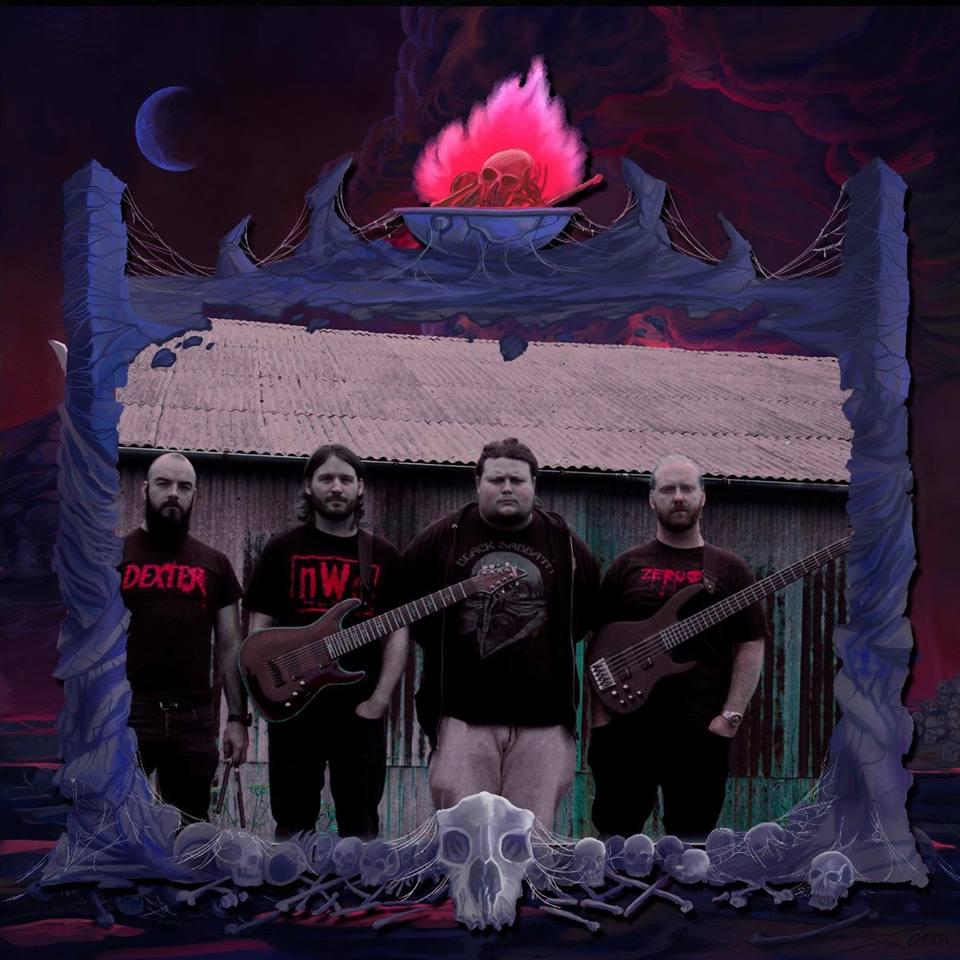
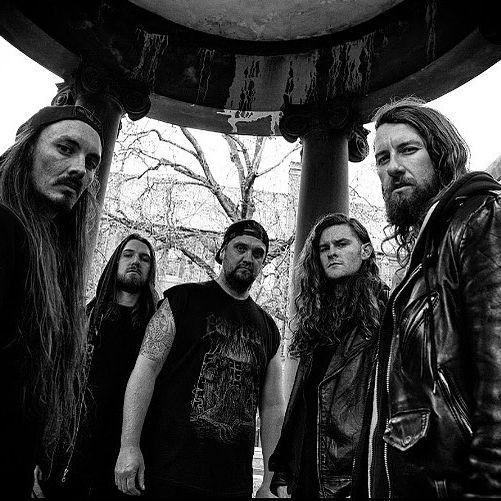
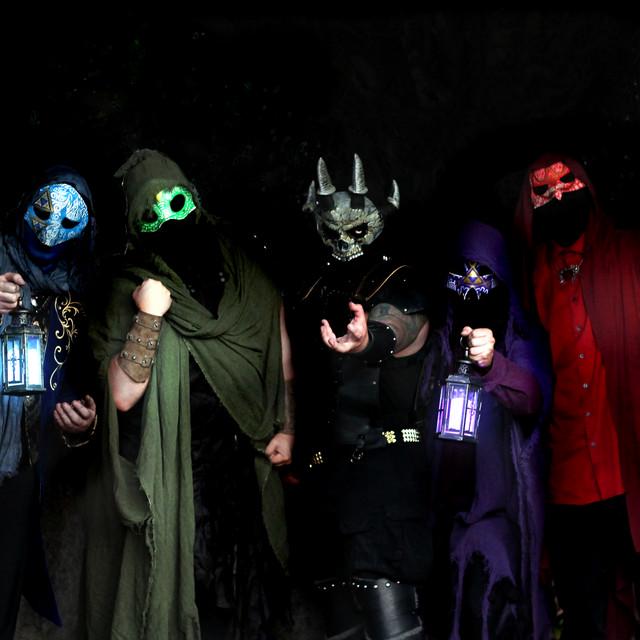
Karmanjaka’s Spotify BioKARMANJAKA started out in northern Sweden by Knut Hassel as a one man band in the early spring of 2016 and recorded the debute EP "I TÖRNROSDALEN". During the recording of this first album KARMANJAKA evolved into a 5 piece band, and Knut, Max Malmer and Anton Palmborg soon wrote the follow up full length album "URGAMMAL ELD" (Ancient Fire) during a hectic weekend back at Knut's house close to the norwegian border, far into the north-west of Sweden. The album was recorded in late spring 2016. URGAMMAL ELD was mixed and mastered during the autumn and a video was also made for the release.
Ten new songs were recorded in late 2018. As on previous sessions Malmer Productions in Umeå, Sweden, was used for recording, mixing and mastering. Fast forward to 2019.... On may 21 KARMANJAKA released SEVEN NAMES FOR THE WITCHQUEEN containing eight of the ten finished tracks. The band also performed live for the first time ever at Gamrocken in Grängesberg.
During four days in late July and mid August… 2019 Knut, Anton and Max gathered at Knut’s place to write and preprod 14 songs for a 2020 release. The writing was now undertaken as a teamwork to a much larger degree than earlier, which added even more strength and deeper layers to the compositions.
The first recording to come out of this writing session was the EP "HUGIN", released during the autumn of 2020. The rest of the songs have during 2021 been recorded into a new full album called "GATES OF MUSPEL" set to release February 11 2022.
Viberate is a music analytics platform built for A&Rs, artist managers, labels, booking agents, marketers, and artists.
It helps music professionals track artist growth, analyze audience data, monitor playlist activity, compare artists, follow song performance, and identify opportunities across the music market.
Public artist pages provide a free preview of selected artist data. Paid plans provide access to deeper analytics, historical data, charts, comparisons, playlist tools, exports, alerts, reports, and additional professional features.
Yes. Public Viberate artist pages provide selected artist analytics and music data for free.
Viberate also offers a 7-day free trial of the full platform. A credit card is required to start the trial. The trial includes access to the complete product so users can test deeper artist analytics, historical views, playlist insights, comparisons, charts, exports, alerts, and reporting features before choosing a paid plan.
Viberate provides artist analytics across streaming, playlists, social media, video, radio airplay, songs, and audience markets.
Users can analyze Spotify performance, Spotify and Apple Music playlists, YouTube activity, TikTok and Instagram growth, radio spins, song performance, audience locations, demographics, rankings, and overall artist momentum.
Artist profiles also connect to music charts, similar artists, and comparison tools, helping users benchmark performance and evaluate artists in context.
Viberate updates key artist and track data daily.
For followed artists and tracks, selected data is refreshed multiple times per day. This helps teams monitor playlist changes, streaming movement, audience growth, releases, and campaign performance with more current data.
Update frequency can vary depending on the metric and data source.
Yes. Viberate lets users compare up to five artists side by side across streaming, social media, audience, and engagement metrics.
Users can compare fanbase growth, audience demographics, locations, Spotify performance, social metrics, and other artist data over selected time periods.
Artist comparison can be used for A&R scouting, benchmarking, booking decisions, campaign planning, and evaluating artists with similar audiences or market positions.