Karim Haas

Electronic
House
Tech House
 Viberate Rank: 219863
 Viberate Rank: 219863
 Monthly ListenersFollowers
 Subscribers
 Followers
 Followers
 FansTop Spotify SongsTop YouTube VideosMonthly ListenersFeatured in Playlists
| Playlist | Followers | |
|---|---|---|
1 | Techno tkoppelaar | 10.56K |
2 |  Radio 1 Disco’shit Gergely Gábor Tóth | 3.44K |
3 | Tech House - Beatport Top 100's Anthony Powers | 1.89K |
4 |  ELECTRO SG Sofia Gier | 1.11K |
Audience| City | Monthly Listeners | |
|---|---|---|
1 |  | 12 |
2 | | 9 |
3 |  | 3 |
4 |  | 3 |
See full performance history, audience data, playlist activity, rankings, comparisons, and more in Viberate music analytics. Start with a free trial, then continue with a paid plan.
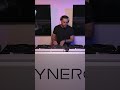
Karim Haas’ Spotify BioDJ, producer and percussionist, Karim Haas started his musical career as a drummer-percussionist in 1996, playing for several Rock and Jazz acts. His crossover into electronic dance music happened two years later under the influence of House music and the sound of 70’s Funk music. In his performances as a DJ, he plays live electronic percussion, thus adding a live element to the his DJ sets. He started releasing tracks for labels such as Donkey Head Recordings, House Works and T.U.S.O.M. His sound is characterised by invigorating and potent grooves. His DJ sessions offer an original blend of House, Progressive and Tech-house.
Karim Haas, managed to established his international reputation in the year 2000, when he started playing percussion for world-renowned DJ-producer Cristian Varela in all his sets. This collaboration got him to travel the world, playing at leading dance music festivals such as “I Love Techno”, (Belgium), “Nature One”, (Germany), and “Phrenetic”, (Spain), amongst… many others.
In November 2006 he launched his own record label, “Synergy Recordings”. His music is available at all main online DJ stores (beatport, itunes…). Karim’s international touring schedule has taken him to venues such as Warehouse (Tokyo), Mecca (Miami, USA), Wild (Medellín, Colombia), Malibu (Evpatoria, Ukraine), Platinium (Rabat, Morocco), Fabrik (Madrid, Spain) and Pacha (Madrid, Barcelona and La Pineda, etc.), Ushuaïa Tower (Ibiza, Spain) to name but a few.
Viberate is a music analytics platform built for A&Rs, artist managers, labels, booking agents, marketers, and artists.
It helps music professionals track artist growth, analyze audience data, monitor playlist activity, compare artists, follow song performance, and identify opportunities across the music market.
Public artist pages provide a free preview of selected artist data. Paid plans provide access to deeper analytics, historical data, charts, comparisons, playlist tools, exports, alerts, reports, and additional professional features.
Yes. Public Viberate artist pages provide selected artist analytics and music data for free.
Viberate also offers a 7-day free trial of the full platform. A credit card is required to start the trial. The trial includes access to the complete product so users can test deeper artist analytics, historical views, playlist insights, comparisons, charts, exports, alerts, and reporting features before choosing a paid plan.
Viberate provides artist analytics across streaming, playlists, social media, video, radio airplay, songs, and audience markets.
Users can analyze Spotify performance, Spotify and Apple Music playlists, YouTube activity, TikTok and Instagram growth, radio spins, song performance, audience locations, demographics, rankings, and overall artist momentum.
Artist profiles also connect to music charts, similar artists, and comparison tools, helping users benchmark performance and evaluate artists in context.
Viberate updates key artist and track data daily.
For followed artists and tracks, selected data is refreshed multiple times per day. This helps teams monitor playlist changes, streaming movement, audience growth, releases, and campaign performance with more current data.
Update frequency can vary depending on the metric and data source.
Yes. Viberate lets users compare up to five artists side by side across streaming, social media, audience, and engagement metrics.
Users can compare fanbase growth, audience demographics, locations, Spotify performance, social metrics, and other artist data over selected time periods.
Artist comparison can be used for A&R scouting, benchmarking, booking decisions, campaign planning, and evaluating artists with similar audiences or market positions.