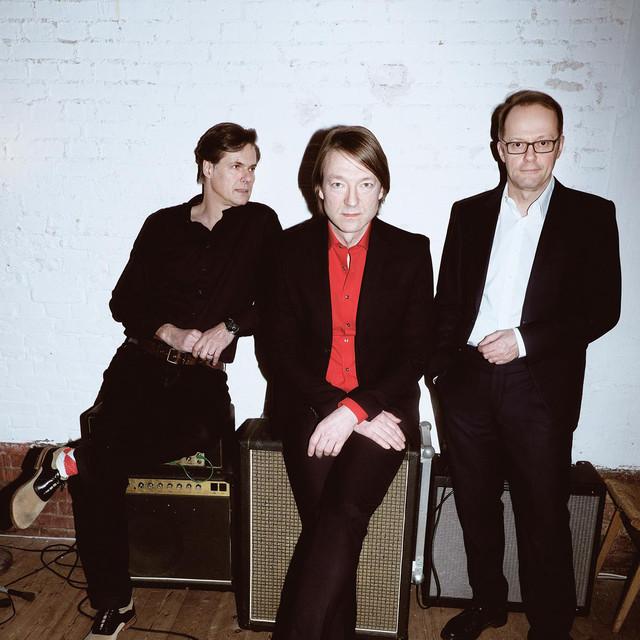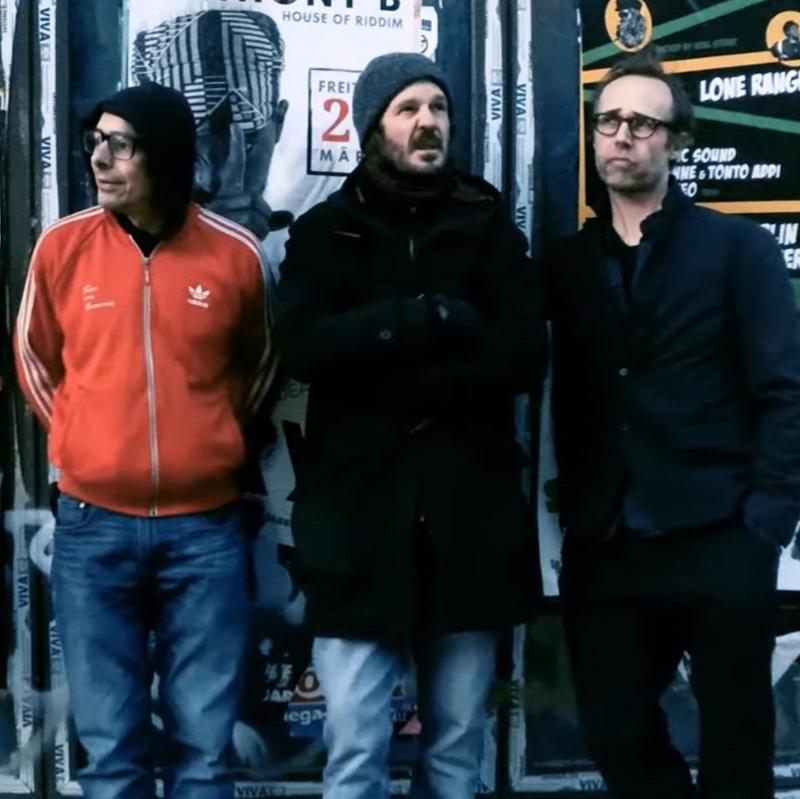
Kante

Rock
Alternative Rock
Mainstream Pop
 Viberate Rank: 207622
 Viberate Rank: 207622
 Monthly ListenersFollowers
 Subscribers
 Followers
 Followers
 FansTop Spotify Songs
| Track | 7-Day Streams | |
|---|---|---|
1 | 1.01K | |
2 | 774 | |
3 | 488 | |
4 | 281 | |
5 | 267 |
Top YouTube VideosMonthly ListenersFeatured in Playlists| Playlist | Followers | |
|---|---|---|
1 |  Zündfunk Recommends Bayern 2 - Zündfunk | 9.89K |
2 | Top 10,000 Songs of All Time Acclaimed Music | 9.19K |
3 |  KOMPAKT: New Arrivals Kompakt Records | 8.14K |
4 | space rock & psychedelia Edson Alejandro Adame | 8.05K |
5 |  Top deutsche Liebeslieder und Balladen Oliver Stahmann | 6.22K |
Audience| City | Monthly Listeners | |
|---|---|---|
1 | | 906 |
2 | | 575 |
3 | | 334 |
4 | | 333 |
5 |  | 294 |
See full performance history, audience data, playlist activity, rankings, comparisons, and more in Viberate music analytics. Start with a free trial, then continue with a paid plan.
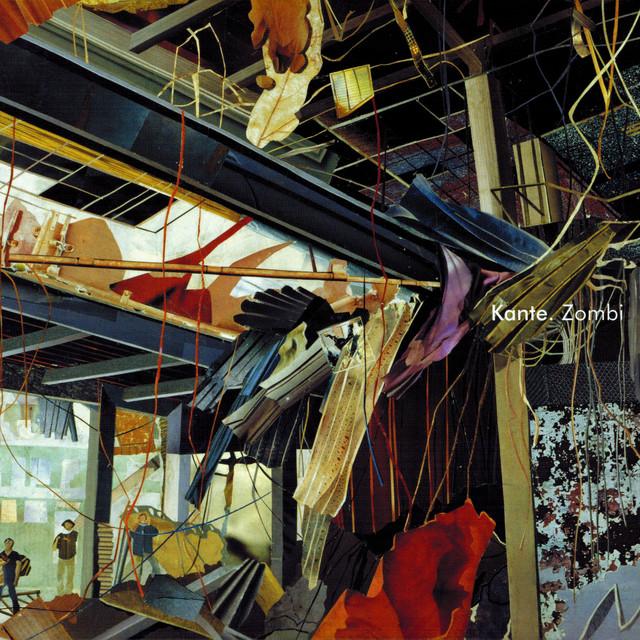
Kante’s Spotify BioGerman post-rock unit Kante was founded in Berlin in 1995 by guitarist Peter Thiessen (also known for his concurrent stint playing bass in Blumfeld) and drummer Sebastian Vogel. Guitarist Felix Müller, bassist Andreas Krane, and keyboardist Michael Mühlhaus eventually completed the lineup, which signed to the Kitty-Yo label to issue its 1997 debut single, "Heiligengeistfeld." The all-instrumental full-length Zwischen den Orten soon followed, and in 1998 the Stewardess label issued Redirections, a collection of Kante remixes by artists including To Rococo Rot's Robert Lippok and FSK's Thomas Meinecke. With the follow-up Zweilicht, Kante expanded its approach with the addition of a 14-member symphony orchestra, exploring influences ranging from the blues to transcendental jazz. For the first time, Thiessen emphasized vocals as well, exposing the group's music to a far wider audience. With 2004's Zombi, Kante joined the ranks of major label EMI, entering the German Top 40. The record also… introduced new keyboardist Thomas Leboeg, who signed on when Mühlhaus joined Blumfeld full time. Die Tiere Sind Unruhig followed in 2006. ~ Jason Ankeny, Rovi
Viberate is a music analytics platform built for A&Rs, artist managers, labels, booking agents, marketers, and artists.
It helps music professionals track artist growth, analyze audience data, monitor playlist activity, compare artists, follow song performance, and identify opportunities across the music market.
Public artist pages provide a free preview of selected artist data. Paid plans provide access to deeper analytics, historical data, charts, comparisons, playlist tools, exports, alerts, reports, and additional professional features.
Yes. Public Viberate artist pages provide selected artist analytics and music data for free.
Viberate also offers a 7-day free trial of the full platform. A credit card is required to start the trial. The trial includes access to the complete product so users can test deeper artist analytics, historical views, playlist insights, comparisons, charts, exports, alerts, and reporting features before choosing a paid plan.
Viberate provides artist analytics across streaming, playlists, social media, video, radio airplay, songs, and audience markets.
Users can analyze Spotify performance, Spotify and Apple Music playlists, YouTube activity, TikTok and Instagram growth, radio spins, song performance, audience locations, demographics, rankings, and overall artist momentum.
Artist profiles also connect to music charts, similar artists, and comparison tools, helping users benchmark performance and evaluate artists in context.
Viberate updates key artist and track data daily.
For followed artists and tracks, selected data is refreshed multiple times per day. This helps teams monitor playlist changes, streaming movement, audience growth, releases, and campaign performance with more current data.
Update frequency can vary depending on the metric and data source.
Yes. Viberate lets users compare up to five artists side by side across streaming, social media, audience, and engagement metrics.
Users can compare fanbase growth, audience demographics, locations, Spotify performance, social metrics, and other artist data over selected time periods.
Artist comparison can be used for A&R scouting, benchmarking, booking decisions, campaign planning, and evaluating artists with similar audiences or market positions.