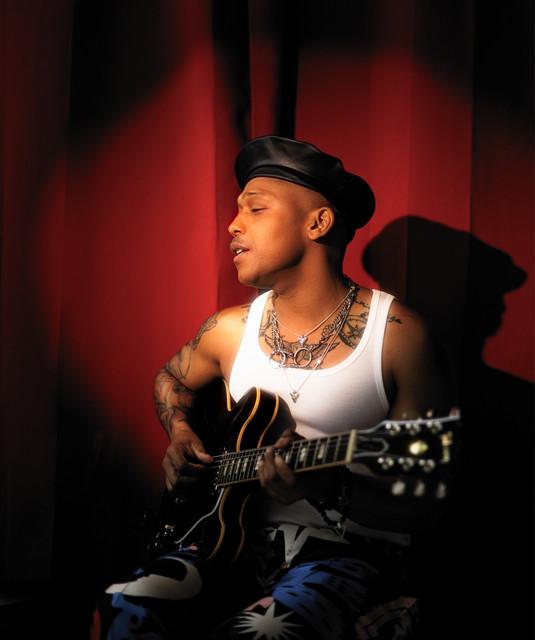
Kameron Corvet

R&B
Contemporary R&B
Soul
 Viberate Rank: 194409
 Viberate Rank: 194409
 Monthly ListenersFollowers
 Subscribers
 Followers
 Followers
 FansTop Spotify Songs
| Track | 7-Day Streams | |
|---|---|---|
1 | 1.17K | |
2 | 892 | |
3 | 892 | |
4 | 544 | |
5 | 465 |
Top YouTube VideosMonthly ListenersFeatured in Playlists| Playlist | Followers | |
|---|---|---|
1 |  velvet - R&B Renforshort | 24.56K |
2 |  Joy for Your Soul 🌞 The Sandlot Vintage | 22.28K |
3 |  Bedroom Vibes Sensus.Selects | 12.98K |
4 |  This Is Mr. Probz Spotify | 12.50K |
5 |  Street Vibes House Hub | 9.37K |
Audience| City | Monthly Listeners | |
|---|---|---|
1 | | 185 |
2 | | 153 |
3 | | 150 |
4 | | 150 |
5 | | 123 |
See full performance history, audience data, playlist activity, rankings, comparisons, and more in Viberate music analytics. Start with a free trial, then continue with a paid plan.
Kameron Corvet’s Spotify BioKameron Corvet is a Grammy-Award winning singer, songwriter, guitarist and producer from Cincinnati, Ohio.
After beginning a career as an independent artists, Kameron’s breakout moment as a composer and co-writer of Sting & Shaggy's Don't Make Me Wait (with Shaggy), the lead single from their Grammy-Award winning album 44/876. He’s additionally penned for other well-known artists including: Toni Braxton( Fallin' ), Angie Stone, international recording artist Mr. Probz and others.
As a performer, Kameron has traveled the world with his guitar as a solo/acoustic act opening for the likes of: Adele, Erykah Badu, Chaka Khan, Marsha Ambrosius, Ty Dolla $ign and Robert Glasper and countless others. He has been featured in American Songwriter Magazine, Sheen Magazine, Upscale Magazine, Vibe.com and Buckhead Magazine.
Armed with his guitar and a wide vocal range including his signature falsetto, Kameron genre-bending style challenges the notion of genre in the traditional music industry.
Viberate is a music analytics platform built for A&Rs, artist managers, labels, booking agents, marketers, and artists.
It helps music professionals track artist growth, analyze audience data, monitor playlist activity, compare artists, follow song performance, and identify opportunities across the music market.
Public artist pages provide a free preview of selected artist data. Paid plans provide access to deeper analytics, historical data, charts, comparisons, playlist tools, exports, alerts, reports, and additional professional features.
Yes. Public Viberate artist pages provide selected artist analytics and music data for free.
Viberate also offers a 7-day free trial of the full platform. A credit card is required to start the trial. The trial includes access to the complete product so users can test deeper artist analytics, historical views, playlist insights, comparisons, charts, exports, alerts, and reporting features before choosing a paid plan.
Viberate provides artist analytics across streaming, playlists, social media, video, radio airplay, songs, and audience markets.
Users can analyze Spotify performance, Spotify and Apple Music playlists, YouTube activity, TikTok and Instagram growth, radio spins, song performance, audience locations, demographics, rankings, and overall artist momentum.
Artist profiles also connect to music charts, similar artists, and comparison tools, helping users benchmark performance and evaluate artists in context.
Viberate updates key artist and track data daily.
For followed artists and tracks, selected data is refreshed multiple times per day. This helps teams monitor playlist changes, streaming movement, audience growth, releases, and campaign performance with more current data.
Update frequency can vary depending on the metric and data source.
Yes. Viberate lets users compare up to five artists side by side across streaming, social media, audience, and engagement metrics.
Users can compare fanbase growth, audience demographics, locations, Spotify performance, social metrics, and other artist data over selected time periods.
Artist comparison can be used for A&R scouting, benchmarking, booking decisions, campaign planning, and evaluating artists with similar audiences or market positions.