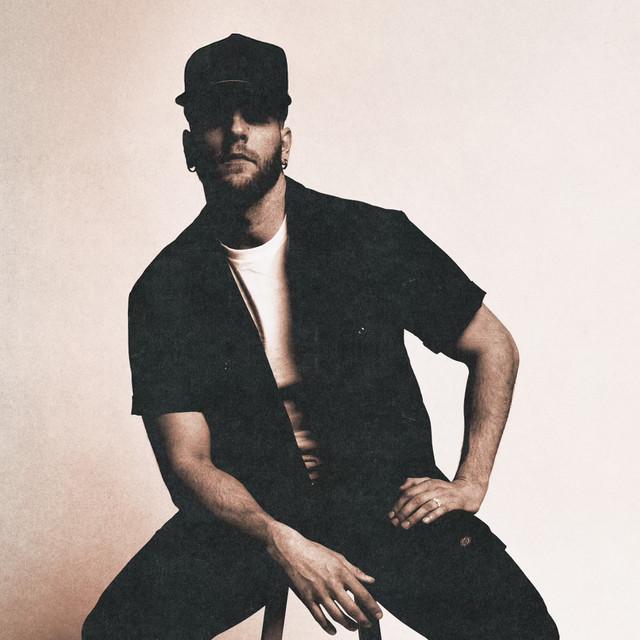
Kamban

Hip Hop
Contemporary Hip Hop
 Viberate Rank: 191290
 Viberate Rank: 191290
 Monthly ListenersFollowers
 Subscribers
 Followers
 Followers
 FansTop Spotify Songs
| Track | 7-Day Streams | |
|---|---|---|
1 | 1.58K | |
2 | 1.48K | |
3 | 1.17K | |
4 | 1.02K | |
5 | 995 |
Top YouTube Videos| Video | 7-Day Views | |
|---|---|---|
1 | 184 | |
2 | 60 | |
3 | 59 | |
4 | 53 | |
5 | 35 |
Monthly ListenersFeatured in Playlists| Playlist | Followers | |
|---|---|---|
1 | chillwoods | 51.37K |
2 |  Christian Hip Hop Playlist Cristianas Spotify | 32.98K |
3 | SLF Christian rap Brittany Dawn | 16.49K |
4 | Christian Hip Hop /RnB/ Dance zimzulu | 11.45K |
5 |  Holy Drip Holy drip | 10.44K |
Audience| City | Monthly Listeners | |
|---|---|---|
1 | | 351 |
2 | | 252 |
3 | | 237 |
4 | | 231 |
5 | | 224 |
See full performance history, audience data, playlist activity, rankings, comparisons, and more in Viberate music analytics. Start with a free trial, then continue with a paid plan.
Kamban’s Spotify BioKamban is a Christian hip-hop artist based out of Ohio. His discography currently includes 10+ released singles.
Kamban’s musical themes often touch on the deeper meanings of life. Many of his works recall moments in his past life where he was influenced by drug addiction, worldly ambitions and a need for attention. His music centers on denouncing his past lifestyle while praising God for “saving his life.”
Kamban formerly served as a secular hip-hop artist, doing shows in Cleveland and Canton, Ohio, but after his conversion to Christianity in 2017, he had his debut album CLVD removed from all digital platforms.
As a child, Kamban witnessed and was affected by his fathers 16 year-long drug addiction where he claims to have witnessed “a-lot of chaos.” In Kamban’s early twenties, his father found sobriety and a relationship with God while Kamban himself got introduced to drugs and alcohol.
In 2017 he was involved in a 70 MPH highway collision while driving “drunk and high” in the middle of… the day. Due to the consequences from the wreck, Kamban got introduced to a recovery program and, months later, gave his life to Christ.
He’s found success releasing his Christian music through the media outlet Rapzilla, and his highest viewed video, “Bounce Back,” has over 260,000 plays on YouTube.
Viberate is a music analytics platform built for A&Rs, artist managers, labels, booking agents, marketers, and artists.
It helps music professionals track artist growth, analyze audience data, monitor playlist activity, compare artists, follow song performance, and identify opportunities across the music market.
Public artist pages provide a free preview of selected artist data. Paid plans provide access to deeper analytics, historical data, charts, comparisons, playlist tools, exports, alerts, reports, and additional professional features.
Yes. Public Viberate artist pages provide selected artist analytics and music data for free.
Viberate also offers a 7-day free trial of the full platform. A credit card is required to start the trial. The trial includes access to the complete product so users can test deeper artist analytics, historical views, playlist insights, comparisons, charts, exports, alerts, and reporting features before choosing a paid plan.
Viberate provides artist analytics across streaming, playlists, social media, video, radio airplay, songs, and audience markets.
Users can analyze Spotify performance, Spotify and Apple Music playlists, YouTube activity, TikTok and Instagram growth, radio spins, song performance, audience locations, demographics, rankings, and overall artist momentum.
Artist profiles also connect to music charts, similar artists, and comparison tools, helping users benchmark performance and evaluate artists in context.
Viberate updates key artist and track data daily.
For followed artists and tracks, selected data is refreshed multiple times per day. This helps teams monitor playlist changes, streaming movement, audience growth, releases, and campaign performance with more current data.
Update frequency can vary depending on the metric and data source.
Yes. Viberate lets users compare up to five artists side by side across streaming, social media, audience, and engagement metrics.
Users can compare fanbase growth, audience demographics, locations, Spotify performance, social metrics, and other artist data over selected time periods.
Artist comparison can be used for A&R scouting, benchmarking, booking decisions, campaign planning, and evaluating artists with similar audiences or market positions.