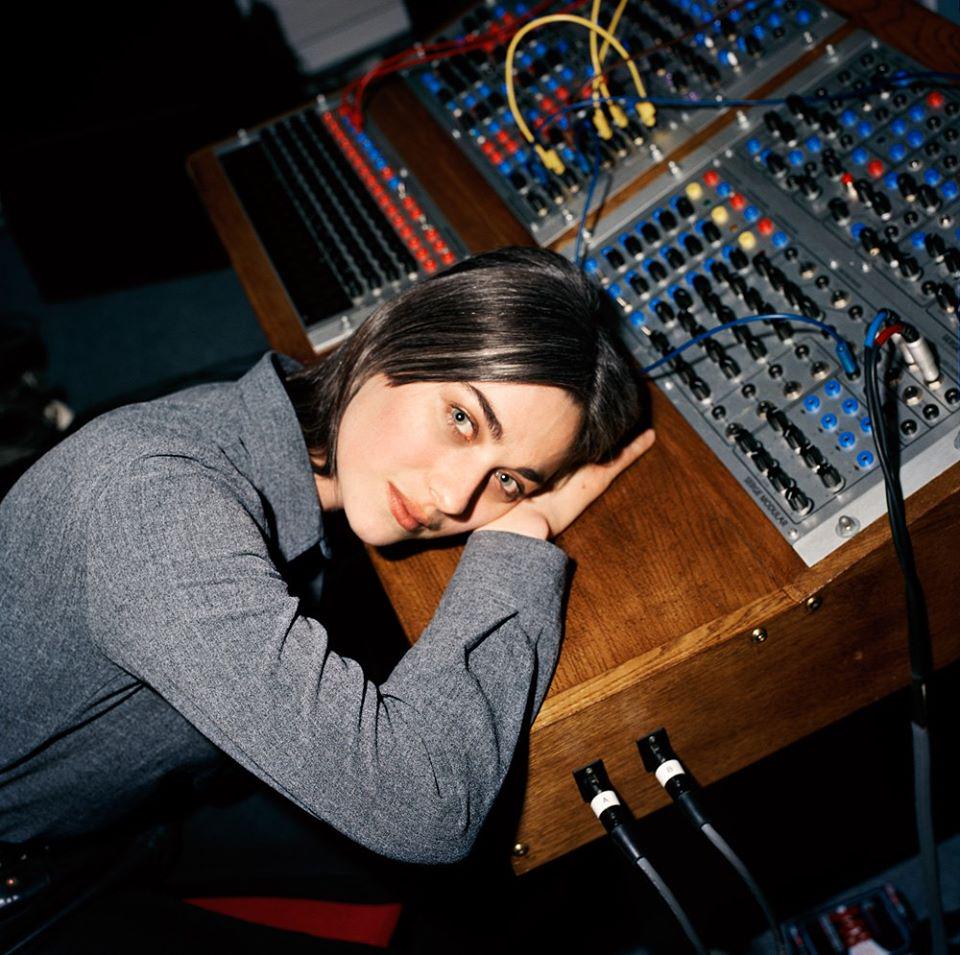
Kali Malone

European
Other European Music
Drone
 Viberate Rank: 63857
 Viberate Rank: 63857
 Monthly ListenersFollowers
 Subscribers
 Followers
 Followers
 FansTop Spotify Songs
| Track | 7-Day Streams | |
|---|---|---|
1 | 11.12K | |
2 | 8.75K | |
3 | 8.14K | |
4 | 7.86K | |
5 | 7.30K |
Top YouTube VideosMonthly ListenersFeatured in Playlists| Playlist | Followers | |
|---|---|---|
1 |  Pitchfork's Best New Music Pitchfork | 177.07K |
2 |  Women of Ambient Spotify | 145.73K |
3 |  Sora Ambient Spotify | 96.79K |
4 |  All Songs Considered NPR Music | 34.73K |
5 |  In The Absence Thereof...v1 In The Absence Thereof... | 28.00K |
Audience| City | Monthly Listeners | |
|---|---|---|
1 |  | 2.96K |
2 |  | 1.89K |
3 |  | 1.68K |
4 | | 1.56K |
5 | | 1.41K |
See full performance history, audience data, playlist activity, rankings, comparisons, and more in Viberate music analytics. Start with a free trial, then continue with a paid plan.
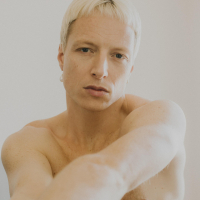
Kali Malone’s Spotify BioKali Malone composes post-minimalist pieces implementing specific tuning systems, including works for choirs and chamber ensembles as well as acoustic and electronic instruments. She is best known for her pipe organ compositions, including the acclaimed 2019 release The Sacrificial Code, though she has also produced electro-acoustic drone releases such as 2022's Living Torch and has additionally participated in projects ranging from noise to shoegaze. She collaborated with Stephen O'Malley and Lucy Railton for 2023's Does Spring Hide Its Joy.
Kali Malone was born in Colorado in 1994 and later moved to Stockholm in order to study electro-acoustic composition in 2012. She participated in an ensemble called Golden Offence Orchestra and conducted an arrangement of the Pauline Oliveros piece "To Valerie Solanas and Marilyn Monroe in recognition to their desperation." She also played in an experimental audiovisual group named Hästköttskandalen, along with musicians such as Ellen Arkbro and… Maria W. Horn, and she was the leader of the shoegaze group Swap Babies. Malone and Horn co-founded the label and concert series XKatedral in 2016. Malone released several limited cassettes of her music, including pieces with Arkbro and Caterina Barbieri, and her first full-length LP, Velocity of Sleep, appeared in 2017. Her EP Organ Dirges 2016-2017 was released by Ascetic House the following year, and Cast of Mind, an LP of horn-based drones, appeared on Hollow Ground. Malone collaborated with Acronym on an ambient techno EP titled The Torrid Eye, which was released by Stilla Ton at the beginning of 2019. The Sacrificial Code, a nearly two-hour set of pipe organ compositions, was released by iDEAL Recordings and quickly earned praise from critics and listeners. Malone released Studies for Organ, a tape of rehearsals, in 2020 and appeared on former Coil member Drew McDowall's fourth solo album, Agalma. She contributed a piece to Important Records' 2021 release The Harmonic Series Vol. 2, along with other composers such as Tashi Wada and Catherine Lamb. Living Torch, commissioned by electro-acoustic music studio GRM and released by their Portraits GRM imprint, appeared in 2022. Malone recorded Does Spring Hide Its Joy, a set of three hour-long drones, with guitarist Stephen O'Malley and cellist Lucy Railton. The album was released by O'Malley's Ideologic Organ in 2023. ~ Paul Simpson, Rovi
Viberate is a music analytics platform built for A&Rs, artist managers, labels, booking agents, marketers, and artists.
It helps music professionals track artist growth, analyze audience data, monitor playlist activity, compare artists, follow song performance, and identify opportunities across the music market.
Public artist pages provide a free preview of selected artist data. Paid plans provide access to deeper analytics, historical data, charts, comparisons, playlist tools, exports, alerts, reports, and additional professional features.
Yes. Public Viberate artist pages provide selected artist analytics and music data for free.
Viberate also offers a 7-day free trial of the full platform. A credit card is required to start the trial. The trial includes access to the complete product so users can test deeper artist analytics, historical views, playlist insights, comparisons, charts, exports, alerts, and reporting features before choosing a paid plan.
Viberate provides artist analytics across streaming, playlists, social media, video, radio airplay, songs, and audience markets.
Users can analyze Spotify performance, Spotify and Apple Music playlists, YouTube activity, TikTok and Instagram growth, radio spins, song performance, audience locations, demographics, rankings, and overall artist momentum.
Artist profiles also connect to music charts, similar artists, and comparison tools, helping users benchmark performance and evaluate artists in context.
Viberate updates key artist and track data daily.
For followed artists and tracks, selected data is refreshed multiple times per day. This helps teams monitor playlist changes, streaming movement, audience growth, releases, and campaign performance with more current data.
Update frequency can vary depending on the metric and data source.
Yes. Viberate lets users compare up to five artists side by side across streaming, social media, audience, and engagement metrics.
Users can compare fanbase growth, audience demographics, locations, Spotify performance, social metrics, and other artist data over selected time periods.
Artist comparison can be used for A&R scouting, benchmarking, booking decisions, campaign planning, and evaluating artists with similar audiences or market positions.