
Kaleidoscopio

Electronic
Drum & Bass
Other Electronic Music
 Viberate Rank: 144562
 Viberate Rank: 144562
 Monthly ListenersFollowers
 Subscribers
 Followers
 Followers
 FansTop Spotify Songs
| Track | 7-Day Streams | |
|---|---|---|
1 | 10.70K | |
2 | 9.94K | |
3 | 1.39K | |
4 | 1.18K | |
5 | 742 |
Top YouTube Videos| Video | 7-Day Views | |
|---|---|---|
1 | 91 |
Monthly ListenersFeatured in Playlists| Playlist | Followers | |
|---|---|---|
1 |  Nostálgicas anos 2000 a 2010 - Só as melhores! Zeze Gio | 127.49K |
2 | AS MAIS TOCADAS ANOS 2000 (Nacional) Ricardo Giovanni | 74.71K |
3 |  TOP NOSTALGIA BRASIL 2000/2010 Aluizio Vilela | 70.41K |
4 |  Acid Paradise Radio Acid Paradise | 62.09K |
5 | 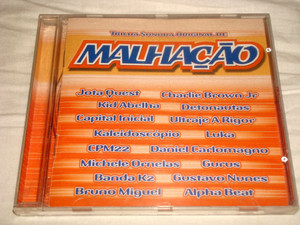 Malhação 2003, 2004 e 2005 Andreia Vitoria Lindenberg | 42.84K |
Audience| City | Monthly Listeners | |
|---|---|---|
1 | | 6.39K |
2 | | 2.92K |
3 |  | 1.33K |
4 | | 1.20K |
5 | | 1.19K |
See full performance history, audience data, playlist activity, rankings, comparisons, and more in Viberate music analytics. Start with a free trial, then continue with a paid plan.
Kaleidoscopio’s Spotify BioKaleidoscópio é um grupo musical brasileiro formado em 2002, misturando europop e drum and bass. É formado pelo DJ e produtor Ramilson Maia com a cantora, bailarina e compositora Janaína Lima e pelo DJ e produtor Gui Boratto.
O grupo trata-se de um projeto não fixo, porém frequente entre três artistas que unem música eletrônica com MPB, bossa nova e pop. Ganharam conhecimento em todo Brasil e em alguns países como grande parte da Europa e Japão graças aos sucessos de músicas como "Tem que Valer" e "“Meu Sonho”.
Várias músicas do grupo foram lançadas em coletânias musicais e trilhas sonoras no Brasil e em vários países. Uma das primeiras foi na trilha sonora da décima temporada da novela Malhação da Rede Globo. Em 2010 o grupo esteve em recesso e a vocalista Janaína lançou um álbum solo no Brasil. Em meados de 2012 o grupo retorna a fazer shows por todo o mundo.
Em novembro de 2015, lançaram uma nova música, para comemorar os 10 anos do grupo, intitulada de "Amava Você". A música também… ganhou um clipe, disponível no YouTube.
Viberate is a music analytics platform built for A&Rs, artist managers, labels, booking agents, marketers, and artists.
It helps music professionals track artist growth, analyze audience data, monitor playlist activity, compare artists, follow song performance, and identify opportunities across the music market.
Public artist pages provide a free preview of selected artist data. Paid plans provide access to deeper analytics, historical data, charts, comparisons, playlist tools, exports, alerts, reports, and additional professional features.
Yes. Public Viberate artist pages provide selected artist analytics and music data for free.
Viberate also offers a 7-day free trial of the full platform. A credit card is required to start the trial. The trial includes access to the complete product so users can test deeper artist analytics, historical views, playlist insights, comparisons, charts, exports, alerts, and reporting features before choosing a paid plan.
Viberate provides artist analytics across streaming, playlists, social media, video, radio airplay, songs, and audience markets.
Users can analyze Spotify performance, Spotify and Apple Music playlists, YouTube activity, TikTok and Instagram growth, radio spins, song performance, audience locations, demographics, rankings, and overall artist momentum.
Artist profiles also connect to music charts, similar artists, and comparison tools, helping users benchmark performance and evaluate artists in context.
Viberate updates key artist and track data daily.
For followed artists and tracks, selected data is refreshed multiple times per day. This helps teams monitor playlist changes, streaming movement, audience growth, releases, and campaign performance with more current data.
Update frequency can vary depending on the metric and data source.
Yes. Viberate lets users compare up to five artists side by side across streaming, social media, audience, and engagement metrics.
Users can compare fanbase growth, audience demographics, locations, Spotify performance, social metrics, and other artist data over selected time periods.
Artist comparison can be used for A&R scouting, benchmarking, booking decisions, campaign planning, and evaluating artists with similar audiences or market positions.