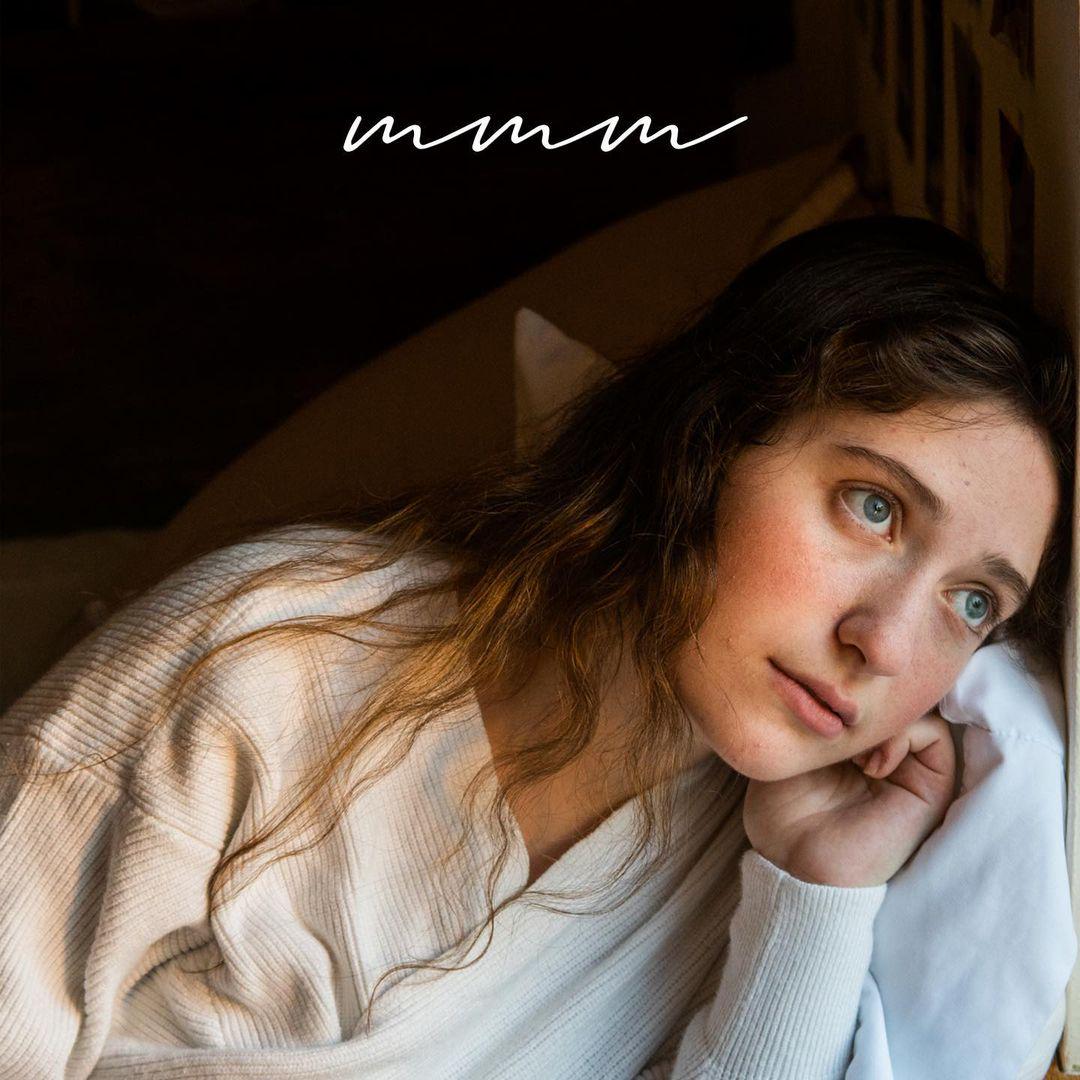
Kaitlin Stark

Pop
Indie Pop
 Viberate Rank: 650638
 Viberate Rank: 650638
 Monthly ListenersFollowers
 Subscribers
 Followers
 Followers
 FansTop Spotify Songs
| Track | 7-Day Streams | |
|---|---|---|
1 | 77 | |
2 | 74 | |
3 | 21 | |
4 | 21 | |
5 | 15 |
Top YouTube VideosMonthly ListenersFeatured in Playlists| Playlist | Followers | |
|---|---|---|
1 |  KHB Channel khb music | 6.75K |
2 |  2020s Pop John Paul | 3.17K |
3 |  Classics John Paul | 2.52K |
4 |  Alex Rain Bird Music tuo1 | 1.28K |
5 |  those feels typa jams Emma Brereton | 1.24K |
Audience| City | Monthly Listeners | |
|---|---|---|
1 |  | 5 |
2 |  | 5 |
3 | | 4 |
4 | | 4 |
5 |  | 4 |
See full performance history, audience data, playlist activity, rankings, comparisons, and more in Viberate music analytics. Start with a free trial, then continue with a paid plan.
Kaitlin Stark’s Spotify BioThere isn’t anything Kaitlin Stark is afraid to say — at least when it’s in song form.
As a singer-songwriter, Kaitlin is interested in the business of creating something that didn’t exist previously, and is especially interested in doing so thoughtfully and emotionally. She’s been writing since she was a teenager and has been playing instruments (particularly guitar and piano) even longer, and has now brought her small-town Georgia roots with her to the present moment creating in Nashville, Tennessee.
Kaitlin explores the big questions in her music, poking at the existential ideas of “why are we here?” She sees introspection and sadness as good and necessary things, and believes that the best reaction someone could possibly have to one of her songs is to cry. It’s a moment of connection to her, and creating a space where people can experience that kind of release is her favorite part of writing music.
If the honesty of Sasha Sloan were to cross with the emotional touch of Taylor Swift… and the sonic savviness of Little Big Town in a song, it might sound something like what Kaitlin strives to create as a writer.
Words and phrases are her jumping-off points — a passing comment or greeting from a stranger might just turn into her next great track.
Viberate is a music analytics platform built for A&Rs, artist managers, labels, booking agents, marketers, and artists.
It helps music professionals track artist growth, analyze audience data, monitor playlist activity, compare artists, follow song performance, and identify opportunities across the music market.
Public artist pages provide a free preview of selected artist data. Paid plans provide access to deeper analytics, historical data, charts, comparisons, playlist tools, exports, alerts, reports, and additional professional features.
Yes. Public Viberate artist pages provide selected artist analytics and music data for free.
Viberate also offers a 7-day free trial of the full platform. A credit card is required to start the trial. The trial includes access to the complete product so users can test deeper artist analytics, historical views, playlist insights, comparisons, charts, exports, alerts, and reporting features before choosing a paid plan.
Viberate provides artist analytics across streaming, playlists, social media, video, radio airplay, songs, and audience markets.
Users can analyze Spotify performance, Spotify and Apple Music playlists, YouTube activity, TikTok and Instagram growth, radio spins, song performance, audience locations, demographics, rankings, and overall artist momentum.
Artist profiles also connect to music charts, similar artists, and comparison tools, helping users benchmark performance and evaluate artists in context.
Viberate updates key artist and track data daily.
For followed artists and tracks, selected data is refreshed multiple times per day. This helps teams monitor playlist changes, streaming movement, audience growth, releases, and campaign performance with more current data.
Update frequency can vary depending on the metric and data source.
Yes. Viberate lets users compare up to five artists side by side across streaming, social media, audience, and engagement metrics.
Users can compare fanbase growth, audience demographics, locations, Spotify performance, social metrics, and other artist data over selected time periods.
Artist comparison can be used for A&R scouting, benchmarking, booking decisions, campaign planning, and evaluating artists with similar audiences or market positions.