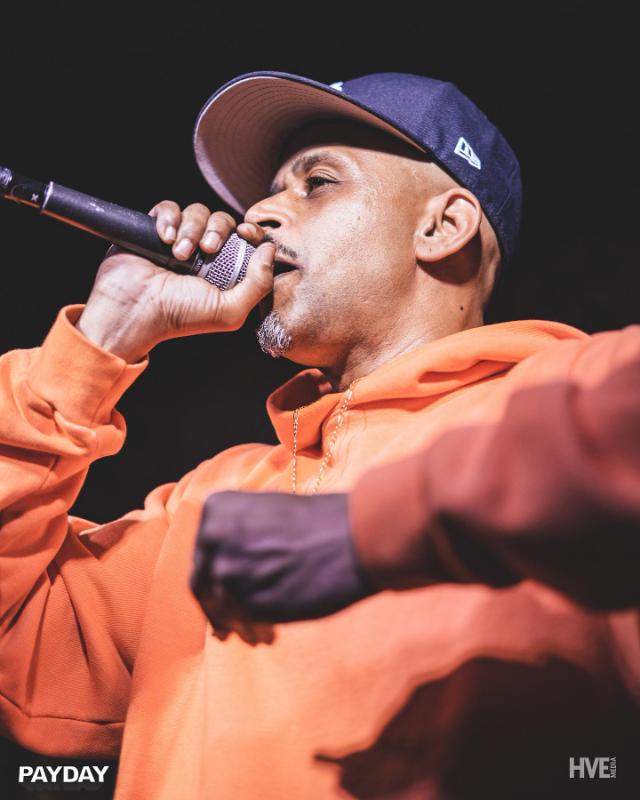
Kage Greene

Hip Hop
Contemporary Hip Hop
Underground Hip Hop
 Viberate Rank: 416028
 Viberate Rank: 416028
 Monthly ListenersFollowers
 Subscribers
 Followers
 Followers
 FansTop Spotify Songs
| Track | 7-Day Streams | |
|---|---|---|
1 | 36 | |
2 | 12 | |
3 | 2 | |
4 | 1 |
Top YouTube VideosMonthly ListenersFeatured in Playlists| Playlist | Followers | |
|---|---|---|
1 | WORK Indie's Dedicated | 10.29K |
2 | Radio Ready Indie's Dedicated | 7.59K |
3 |  Pass The Rock Los Angeles Radio | 5.97K |
4 |  Peace Of Mind Los Angeles Radio | 5.89K |
5 |  It was only a dream Los Angeles Radio | 5.71K |
Audience| City | Monthly Listeners | |
|---|---|---|
1 | | 3 |
2 |  | 3 |
3 |  | 3 |
See full performance history, audience data, playlist activity, rankings, comparisons, and more in Viberate music analytics. Start with a free trial, then continue with a paid plan.
Kage Greene’s Spotify BioFrom: Syracuse, New York
Also known as: The Barfather
Kage Greene is a rapper, producer, and visionary from Syracuse, NY known for pairing sharp lyricism with cinematic, soul-driven production. Over the years, Kage has quietly built a heavyweight résumé that bridges Upstate grit with timeless hip-hop craft.
His music has racked up over 250,000 YouTube views, 27,000 Apple Music streams, and 50,000 – 60,000 Spotify plays, along with 4 million TikTok uses through DistroKid distribution and 6,800 Shazams to date. His catalog continues to grow, backed by 61 radio spins and an engaged fanbase of 558 YouTube subscribers and thousands more across Facebook and Instagram.
As both an artist and producer, Kage Greene has collaborated with an impressive list of names — including Jadakiss, Benny the Butcher, Tory Lanez, Fred the Godson, Ransom, Dutch ReBelle, Tom Gist (The Diplomats), Thump Mandoza, and many more. His beats have also supported rising stars and Syracuse legends alike, giving him a dual… reputation as both a lyricist and a sound architect.
With his Barfather brand, Kage has become a symbol of independence and self-made success — crafting his music, visuals, and production directly from his own studio setup while staying true to his roots. Every record reflects the discipline and resilience of an artist who turned pain into purpose and built a legacy one verse at a time
Viberate is a music analytics platform built for A&Rs, artist managers, labels, booking agents, marketers, and artists.
It helps music professionals track artist growth, analyze audience data, monitor playlist activity, compare artists, follow song performance, and identify opportunities across the music market.
Public artist pages provide a free preview of selected artist data. Paid plans provide access to deeper analytics, historical data, charts, comparisons, playlist tools, exports, alerts, reports, and additional professional features.
Yes. Public Viberate artist pages provide selected artist analytics and music data for free.
Viberate also offers a 7-day free trial of the full platform. A credit card is required to start the trial. The trial includes access to the complete product so users can test deeper artist analytics, historical views, playlist insights, comparisons, charts, exports, alerts, and reporting features before choosing a paid plan.
Viberate provides artist analytics across streaming, playlists, social media, video, radio airplay, songs, and audience markets.
Users can analyze Spotify performance, Spotify and Apple Music playlists, YouTube activity, TikTok and Instagram growth, radio spins, song performance, audience locations, demographics, rankings, and overall artist momentum.
Artist profiles also connect to music charts, similar artists, and comparison tools, helping users benchmark performance and evaluate artists in context.
Viberate updates key artist and track data daily.
For followed artists and tracks, selected data is refreshed multiple times per day. This helps teams monitor playlist changes, streaming movement, audience growth, releases, and campaign performance with more current data.
Update frequency can vary depending on the metric and data source.
Yes. Viberate lets users compare up to five artists side by side across streaming, social media, audience, and engagement metrics.
Users can compare fanbase growth, audience demographics, locations, Spotify performance, social metrics, and other artist data over selected time periods.
Artist comparison can be used for A&R scouting, benchmarking, booking decisions, campaign planning, and evaluating artists with similar audiences or market positions.