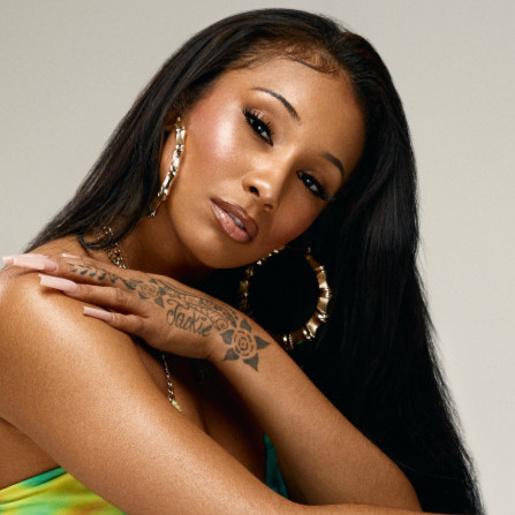
K.Milli Da God

Hip Hop
Contemporary Hip Hop
 Viberate Rank: 438734
 Viberate Rank: 438734
 Monthly ListenersFollowers
 Subscribers
 Followers
 Followers
 FansTop Spotify Songs
| Track | 7-Day Streams | |
|---|---|---|
1 | 13 | |
2 | 10 | |
3 | 8 | |
4 | 5 | |
5 | 5 |
Top YouTube VideosMonthly ListenersFeatured in Playlists| Playlist | Followers | |
|---|---|---|
1 |  This Is Layton Greene Spotify | 6.55K |
2 | Drunk In Love (feat. The Weeknd) [Remix] 94alarjo | 2.84K |
3 |  my neighbors think im selling dope kyyydollaaa$ | 2.19K |
4 | A$AP Rocky, A$AP Ferg, Schoolboy Q, Danny Brown, ASAP Mob Bakari Sandoval | 1.62K |
Audience| City | Monthly Listeners | |
|---|---|---|
1 |  | 5 |
2 | | 4 |
3 | | 4 |
4 | | 3 |
5 |  | 3 |
See full performance history, audience data, playlist activity, rankings, comparisons, and more in Viberate music analytics. Start with a free trial, then continue with a paid plan.
K.Milli Da God’s Spotify BioBorn D’Angelo NaJee Cosper on September 27, 1996, in Youngstown, Ohio, K.Milli Da God is quickly carving out his place in the music industry. Raised by his mother, Fateama Cosper-Fisher, he grew up surrounded by a strong musical influence. Watching his mother, uncles, and other family members sing and perform around the city, music became more than just entertainment—it became a calling. From childhood, K.Milli dreamed of being on stage, going on tour, and signing autographs for fans. Those early visions of stardom planted the seeds for the career he now pursues with relentless determination. Unlike many artists who rely on shortcuts or trends, K.Milli prides himself on authenticity, originality, and years of self-development. “I carved out my own lane,” he says, emphasizing that his success comes from discipline, hard work, and an unwavering belief in his craft. His motivation is deeply personal. Knowing that his family is proud of the progress he’s made fuels his drive to keep… going. For K.Milli, the creative process is what sets him apart—his ability to be multitalented, his persistence in setting goals, and his consistency in seeing them through all contribute to his unique artistic identity.
Currently signed to EMPIRE and GT Digital
Viberate is a music analytics platform built for A&Rs, artist managers, labels, booking agents, marketers, and artists.
It helps music professionals track artist growth, analyze audience data, monitor playlist activity, compare artists, follow song performance, and identify opportunities across the music market.
Public artist pages provide a free preview of selected artist data. Paid plans provide access to deeper analytics, historical data, charts, comparisons, playlist tools, exports, alerts, reports, and additional professional features.
Yes. Public Viberate artist pages provide selected artist analytics and music data for free.
Viberate also offers a 7-day free trial of the full platform. A credit card is required to start the trial. The trial includes access to the complete product so users can test deeper artist analytics, historical views, playlist insights, comparisons, charts, exports, alerts, and reporting features before choosing a paid plan.
Viberate provides artist analytics across streaming, playlists, social media, video, radio airplay, songs, and audience markets.
Users can analyze Spotify performance, Spotify and Apple Music playlists, YouTube activity, TikTok and Instagram growth, radio spins, song performance, audience locations, demographics, rankings, and overall artist momentum.
Artist profiles also connect to music charts, similar artists, and comparison tools, helping users benchmark performance and evaluate artists in context.
Viberate updates key artist and track data daily.
For followed artists and tracks, selected data is refreshed multiple times per day. This helps teams monitor playlist changes, streaming movement, audience growth, releases, and campaign performance with more current data.
Update frequency can vary depending on the metric and data source.
Yes. Viberate lets users compare up to five artists side by side across streaming, social media, audience, and engagement metrics.
Users can compare fanbase growth, audience demographics, locations, Spotify performance, social metrics, and other artist data over selected time periods.
Artist comparison can be used for A&R scouting, benchmarking, booking decisions, campaign planning, and evaluating artists with similar audiences or market positions.