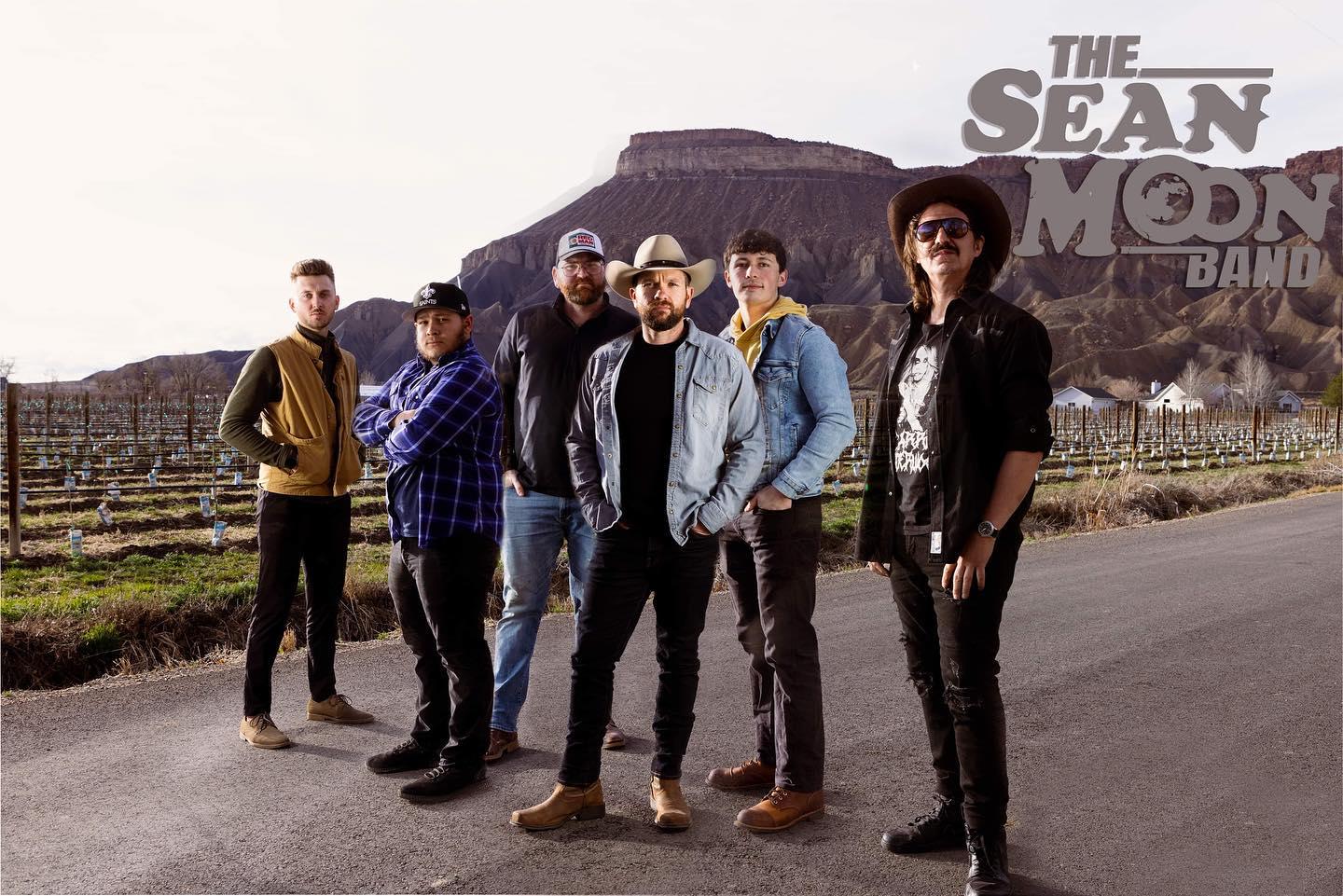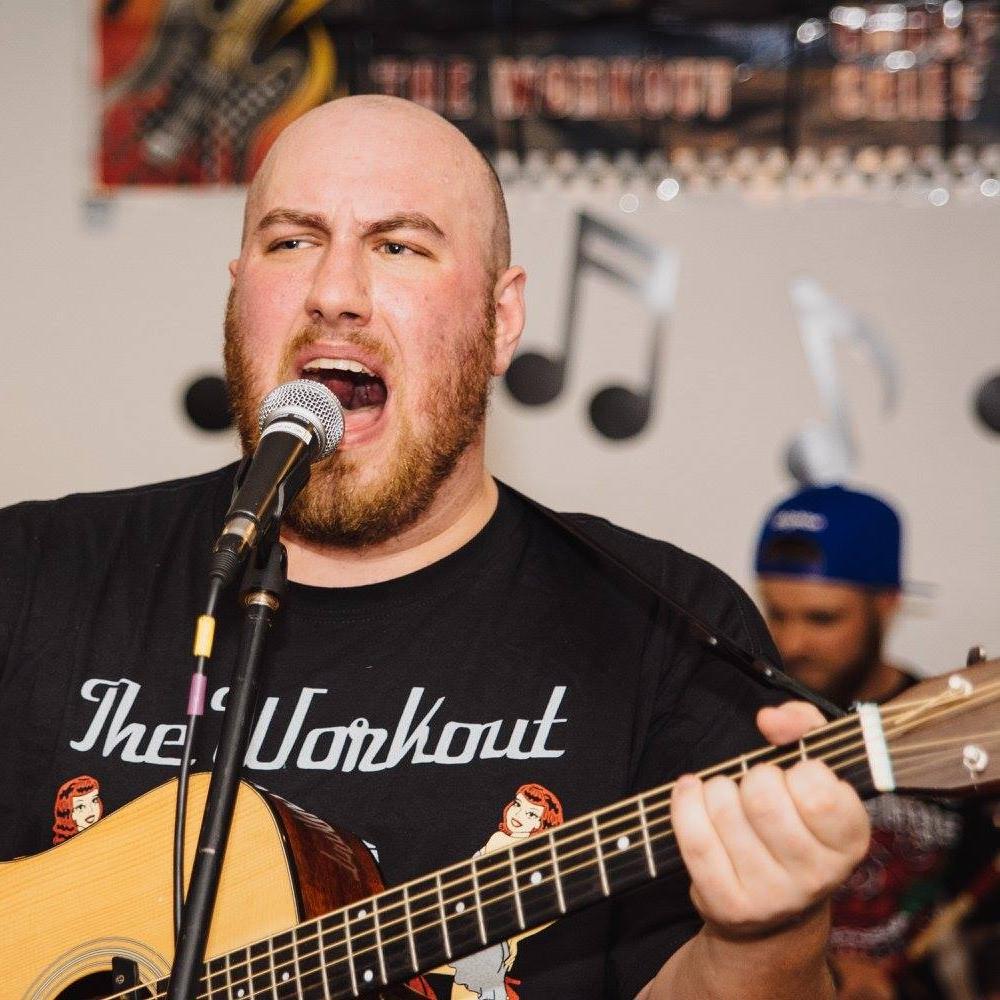
Jutt Huffman

Country
Contemporary Country
Alternative Rock
 Viberate Rank: 304949
 Viberate Rank: 304949
 Monthly ListenersFollowers
 Subscribers
 Followers
 Followers
 FansTop Spotify Songs
| Track | 7-Day Streams | |
|---|---|---|
1 | 1.42K | |
2 | 380 | |
3 | 141 | |
4 | 107 | |
5 | 66 |
Top YouTube VideosMonthly ListenersFeatured in Playlists| Playlist | Followers | |
|---|---|---|
1 | WAVR.AI | 18.83K |
2 |  Americana Country Folk Folk Rock Alchemist | 16.07K |
3 |  Country Music For Lovers Tae Lewis | 4.39K |
4 |  Christian Music to Soothe the Soul J Nice | 3.93K |
5 |  ROADER Romo | 2.11K |
Audience| City | Monthly Listeners | |
|---|---|---|
1 |  | 62 |
2 | | 59 |
3 |  | 58 |
4 | | 52 |
5 |  | 50 |
See full performance history, audience data, playlist activity, rankings, comparisons, and more in Viberate music analytics. Start with a free trial, then continue with a paid plan.
Jutt Huffman’s Spotify BioOriginally from a small village in Ohio, Huffman built his reputation through a decade of relentless performances in Nashville’s honky-tonks, developing a unique style marked by high-energy shows, soulful vocals, and standout musicianship on both rhythm and lead guitar. Though long considered an underground artist, Huffman has steadily carved out a loyal and growing fanbase.
His electrifying live presence has earned him opportunities to share stages with an eclectic lineup of major artists, including Luke Bryan, Kid Rock, Josh Turner, Craig Campbell, Tracy Byrd, Morgan Wade, Drake White, Uncle Kracker, Gavin DeGraw, The Band Perry, Ryan Hurd, Brooke Eden, Keb’ Mo’, Craig Morgan, and Cooper Alan, among others.
Now based in South Florida and touring extensively, Huffman has amassed more than 21,000 followers worldwide. After releasing his self-recorded debut Jutt LP in 2015, he stepped back from recording to refine his songwriting and production while continuing to perform hundreds of… shows annually. That period of growth set the stage for his current creative resurgence.
With his distinctive voice, magnetic stage presence, and boundary-blurring sound, Jutt Huffman continues to build toward a breakout moment. “Whiskey Hell Bent Angels” stands as a powerful statement of identity — rowdy, defiant, and unmistakably authentic.
For booking inquiries please email jutthuffman@live.com
Viberate is a music analytics platform built for A&Rs, artist managers, labels, booking agents, marketers, and artists.
It helps music professionals track artist growth, analyze audience data, monitor playlist activity, compare artists, follow song performance, and identify opportunities across the music market.
Public artist pages provide a free preview of selected artist data. Paid plans provide access to deeper analytics, historical data, charts, comparisons, playlist tools, exports, alerts, reports, and additional professional features.
Yes. Public Viberate artist pages provide selected artist analytics and music data for free.
Viberate also offers a 7-day free trial of the full platform. A credit card is required to start the trial. The trial includes access to the complete product so users can test deeper artist analytics, historical views, playlist insights, comparisons, charts, exports, alerts, and reporting features before choosing a paid plan.
Viberate provides artist analytics across streaming, playlists, social media, video, radio airplay, songs, and audience markets.
Users can analyze Spotify performance, Spotify and Apple Music playlists, YouTube activity, TikTok and Instagram growth, radio spins, song performance, audience locations, demographics, rankings, and overall artist momentum.
Artist profiles also connect to music charts, similar artists, and comparison tools, helping users benchmark performance and evaluate artists in context.
Viberate updates key artist and track data daily.
For followed artists and tracks, selected data is refreshed multiple times per day. This helps teams monitor playlist changes, streaming movement, audience growth, releases, and campaign performance with more current data.
Update frequency can vary depending on the metric and data source.
Yes. Viberate lets users compare up to five artists side by side across streaming, social media, audience, and engagement metrics.
Users can compare fanbase growth, audience demographics, locations, Spotify performance, social metrics, and other artist data over selected time periods.
Artist comparison can be used for A&R scouting, benchmarking, booking decisions, campaign planning, and evaluating artists with similar audiences or market positions.