Justin Hinds

Reggae
Roots Reggae
Rocksteady
 Viberate Rank: 180914
 Viberate Rank: 180914
 Monthly ListenersFollowers
 Subscribers
 Followers
 Followers
 FansTop Spotify Songs
| Track | 7-Day Streams | |
|---|---|---|
1 | 10.15K | |
2 | 10.15K | |
3 | 10.12K | |
4 | 7.01K | |
5 | 6.92K |
Top YouTube VideosMonthly ListenersFeatured in Playlists| Playlist | Followers | |
|---|---|---|
1 |  Reggae Classics Spotify | 3.23M |
2 |  Rocksteady Spotify | 221.82K |
3 |  Best of SKA Death of Guitar Pop | 57.24K |
4 |  The Sound of Everything The Sounds of Spotify | 53.83K |
5 |  Reggae Roots 🇯🇲🍁 Matheus Castro | 27.50K |
Audience| City | Monthly Listeners | |
|---|---|---|
1 |  | 947 |
2 |  | 524 |
3 |  | 468 |
4 | | 402 |
5 |  | 332 |
See full performance history, audience data, playlist activity, rankings, comparisons, and more in Viberate music analytics. Start with a free trial, then continue with a paid plan.
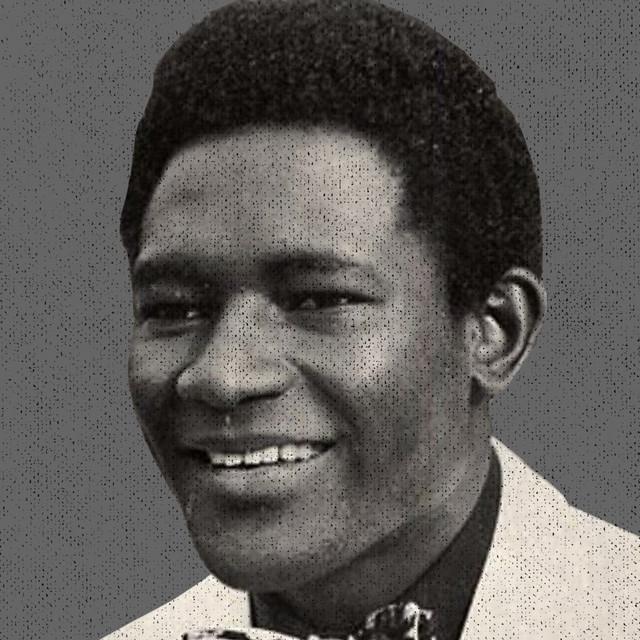
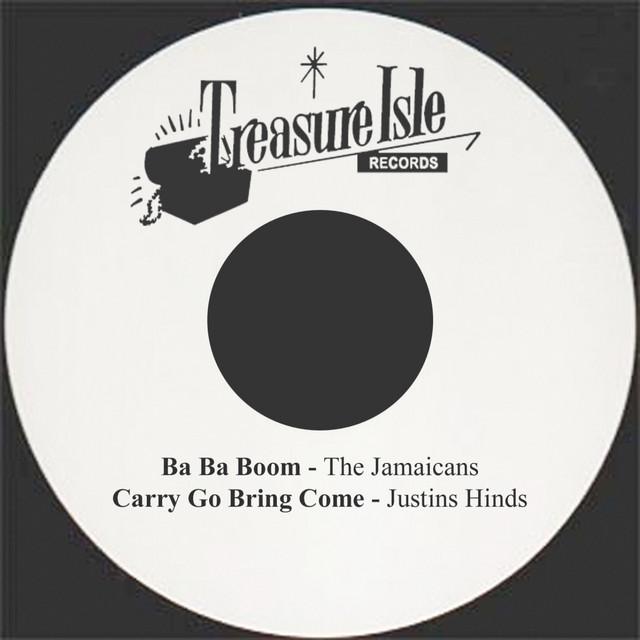
Justin Hinds’ Spotify BioThroughout a crucial period that bore witness to the emergence of ska and its later mutations into rocksteady and finally reggae, Justin Hinds was among the most successful recording artists on the Jamaican music scene, his sweet tenor spotlighted on hundreds of Duke Reid-produced singles between 1963 and 1972. Born on May 7, 1942 in the St. Ann's area, Hinds' greatest music was later created in the company of his backing vocalists the Dominoes, a duo comprising Dennis Sinclair and Junior Dixon. They first recorded at Reid's Treasure Isle studios in late 1963, a debut session that yielded the hit "Carry Go Bring Come" in just one take. Between 1964 and 1966, Hinds was Reid's most popular artist, and during this period alone he recorded some 70 singles backed by session aces Tommy McCook and the Supersonics; among his biggest ska hits were "King Samuel," "Jump Out of the Frying Pan," "The Ark" and "Rub Up Push Up."
Around 1966, Hinds made the transformation to rocksteady, and the hits… kept coming. Over the next several years, he released smash after smash, including "The Higher the Monkey Climbs," "No Good Rudy," "On a Saturday Night," "Here I Stand," and "Save a Bread." He and Reid parted company in 1972, with the latter dying three years later; Hinds then began working with producer Jack Ruby, a collaboration which resulted in the 1976 LP Jezebel. Two years later, he also teamed with producer Sonia Pottinger for a series of singles including "Rig-Ma-Roe Game" and "Wipe Your Weeping Eyes." After 1984's Travel with Love, however, the reclusive Hinds essentially went into retirement, leaving Jamaica only rarely. He did return to recording, albeit sporadically, with a final studio effort in 1992, Know Jah Better, and then a decade later with a live album Let's Rock Live. Another concert album, 2003's Live at the Grassroots, featured Hinds backed by roots revivalists John Brown's Body. Justin Hinds succumbed to cancer two years later, passing away quietly at his Jamaican home on March 16, 2005. Labels continued to release additional material after his death, however, such as the 2009 compilation Sinners. ~ Jason Ankeny, Rovi
Viberate is a music analytics platform built for A&Rs, artist managers, labels, booking agents, marketers, and artists.
It helps music professionals track artist growth, analyze audience data, monitor playlist activity, compare artists, follow song performance, and identify opportunities across the music market.
Public artist pages provide a free preview of selected artist data. Paid plans provide access to deeper analytics, historical data, charts, comparisons, playlist tools, exports, alerts, reports, and additional professional features.
Yes. Public Viberate artist pages provide selected artist analytics and music data for free.
Viberate also offers a 7-day free trial of the full platform. A credit card is required to start the trial. The trial includes access to the complete product so users can test deeper artist analytics, historical views, playlist insights, comparisons, charts, exports, alerts, and reporting features before choosing a paid plan.
Viberate provides artist analytics across streaming, playlists, social media, video, radio airplay, songs, and audience markets.
Users can analyze Spotify performance, Spotify and Apple Music playlists, YouTube activity, TikTok and Instagram growth, radio spins, song performance, audience locations, demographics, rankings, and overall artist momentum.
Artist profiles also connect to music charts, similar artists, and comparison tools, helping users benchmark performance and evaluate artists in context.
Viberate updates key artist and track data daily.
For followed artists and tracks, selected data is refreshed multiple times per day. This helps teams monitor playlist changes, streaming movement, audience growth, releases, and campaign performance with more current data.
Update frequency can vary depending on the metric and data source.
Yes. Viberate lets users compare up to five artists side by side across streaming, social media, audience, and engagement metrics.
Users can compare fanbase growth, audience demographics, locations, Spotify performance, social metrics, and other artist data over selected time periods.
Artist comparison can be used for A&R scouting, benchmarking, booking decisions, campaign planning, and evaluating artists with similar audiences or market positions.