Jurassic 5

Hip Hop
Alternative Hip Hop
Contemporary Hip Hop
 Viberate Rank: 21773
 Viberate Rank: 21773
 Monthly ListenersFollowers
 Subscribers
 Followers
 Followers
 FansTop Spotify Songs
| Track | 7-Day Streams | |
|---|---|---|
1 | 125.04K | |
2 | 91.70K | |
3 | 37.87K | |
4 | 31.50K | |
5 | 31.04K |
Top YouTube Videos| Video | 7-Day Views | |
|---|---|---|
1 | 12.43K | |
2 | 2.25K | |
3 | 1.76K | |
4 | 1.50K | |
5 | 1.28K |
Monthly ListenersFeatured in Playlists| Playlist | Followers | |
|---|---|---|
1 |  Old School Hip Hop Filtr Sweden | 779.30K |
2 |  This Is Dave Matthews Band Spotify | 189.75K |
3 |  real good shit Tom Misch | 165.62K |
4 |  Green Room Joe Rogan | 123.81K |
5 |  This Is Nelly Furtado Spotify | 90.48K |
Audience| City | Monthly Listeners | |
|---|---|---|
1 |  | 19.71K |
2 |  | 16.14K |
3 | | 14.41K |
4 | | 11.60K |
5 | | 9.24K |
See full performance history, audience data, playlist activity, rankings, comparisons, and more in Viberate music analytics. Start with a free trial, then continue with a paid plan.
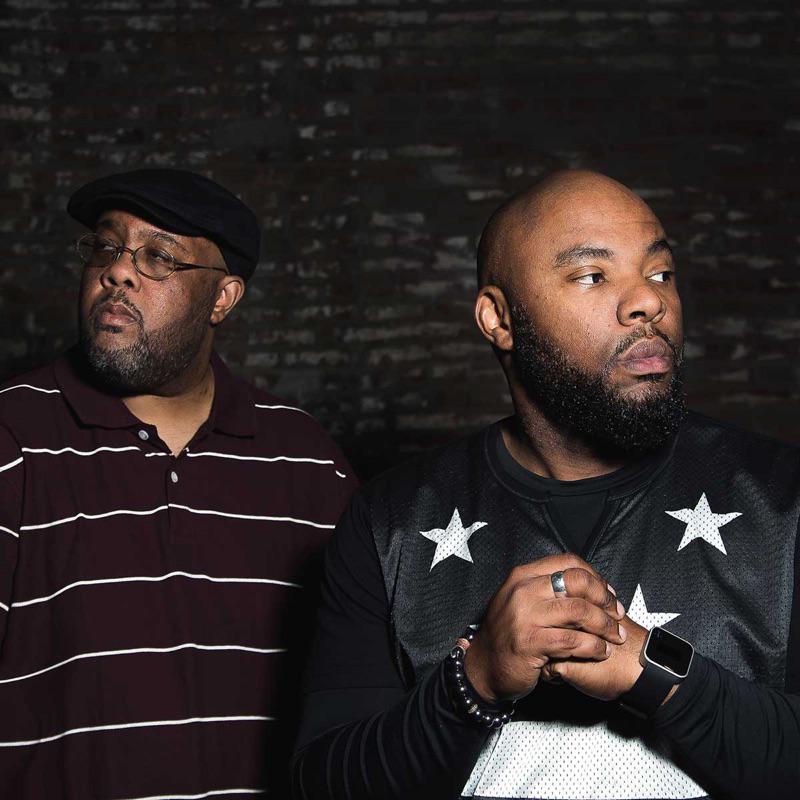
Jurassic 5’s Spotify BioThough there's actually six of them, Jurassic 5 got everything else right on their self-titled debut EP. Part of the new rap underground of the late '90s (along with Company Flow, Mos Def, Dr. Octagon, and Sir Menelik), the sextet -- rappers Marc 7even, Chali 2na, Zaakir, and Akil, plus producers Cut Chemist and DJ Nu-Mark -- came together in 1993 at the Los Angeles café/venue named the Good Life. The six members were part of two different crews, Rebels of Rhythm and Unity Committee; after collaborating on a track, they combined into Jurassic 5 and debuted in 1995 with the "Unified Rebellion" single for TVT Records. At the tail end of 1997, the Jurassic 5 EP appeared and was hailed by critics as one of the freshest debuts of the year (if not the decade). Both Cut Chemist and Chali 2na are also part of the Latin hip-hop collective Ozomatli, while Chemist himself recorded several mixtapes plus the wide-issue album Future Primitive Soundsession (with Shortkut from Invisibl Skratch Piklz).… The year 2000 found the group on tour with Fiona Apple and on the Warped Tour, just in time for the release of Quality Control that summer. Live work continued during 2000-2001, and a second record (Power in Numbers) appeared by the end of 2002. Jurassic 5 earned new fans -- many outside of hip-hop -- by playing some unconventional venues, including Lollapalooza, Bonnaroo, and the Warped Tour. By 2006, Cut Chemist had left the group to pursue his production and DJ ambitions; the remaining quintet enlisted producers including Salaam Remi, Scott Storch, and Exile (as well as in-house talent DJ Nu-Mark) to record their third full LP, Feedback, released in July 2006. Less than a year later, however, the group called it quits, citing "musical differences." They reunited in spring 2013, playing Coachella and later announcing a full summer tour. ~ John Bush, Rovi
Viberate is a music analytics platform built for A&Rs, artist managers, labels, booking agents, marketers, and artists.
It helps music professionals track artist growth, analyze audience data, monitor playlist activity, compare artists, follow song performance, and identify opportunities across the music market.
Public artist pages provide a free preview of selected artist data. Paid plans provide access to deeper analytics, historical data, charts, comparisons, playlist tools, exports, alerts, reports, and additional professional features.
Yes. Public Viberate artist pages provide selected artist analytics and music data for free.
Viberate also offers a 7-day free trial of the full platform. A credit card is required to start the trial. The trial includes access to the complete product so users can test deeper artist analytics, historical views, playlist insights, comparisons, charts, exports, alerts, and reporting features before choosing a paid plan.
Viberate provides artist analytics across streaming, playlists, social media, video, radio airplay, songs, and audience markets.
Users can analyze Spotify performance, Spotify and Apple Music playlists, YouTube activity, TikTok and Instagram growth, radio spins, song performance, audience locations, demographics, rankings, and overall artist momentum.
Artist profiles also connect to music charts, similar artists, and comparison tools, helping users benchmark performance and evaluate artists in context.
Viberate updates key artist and track data daily.
For followed artists and tracks, selected data is refreshed multiple times per day. This helps teams monitor playlist changes, streaming movement, audience growth, releases, and campaign performance with more current data.
Update frequency can vary depending on the metric and data source.
Yes. Viberate lets users compare up to five artists side by side across streaming, social media, audience, and engagement metrics.
Users can compare fanbase growth, audience demographics, locations, Spotify performance, social metrics, and other artist data over selected time periods.
Artist comparison can be used for A&R scouting, benchmarking, booking decisions, campaign planning, and evaluating artists with similar audiences or market positions.