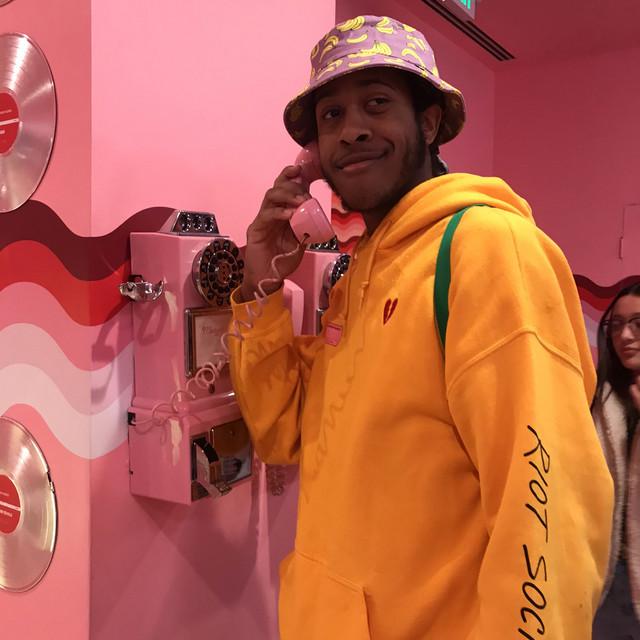
Junogloc

Hip Hop
Contemporary Hip Hop
 Viberate Rank: 794572
 Viberate Rank: 794572
 Monthly ListenersFollowers
 Subscribers
 Followers
 Followers
 FansTop Spotify Songs
| Track | 7-Day Streams | |
|---|---|---|
1 | 6 | |
2 | 5 | |
3 | 4 | |
4 | 4 | |
5 | 1 |
Top YouTube VideosMonthly ListenersFeatured in Playlists| Playlist | Followers | |
|---|---|---|
1 |  Sharing Is Caring Show & Tell | 36.48K |
2 |  Rap Nation No Label Rap Nation | 2.47K |
3 |  Weekly Detox: New Music Weekly Daily Chiefers | 2.19K |
4 |  RapisReligion Weekly rapisreligion | 2.02K |
Audience| City | Monthly Listeners | |
|---|---|---|
1 | | 4 |
See full performance history, audience data, playlist activity, rankings, comparisons, and more in Viberate music analytics. Start with a free trial, then continue with a paid plan.
Junogloc’s Spotify BioRecording artist Junogloc hails from the city of Atlanta and draws influence from his hometown as well as the sounds of New York, where both his parents are from. Growing up, he would spend his summers in New York with family members making music on MP3 players and Guitar Hero equipment. That hobby became a craft as Junogloc began spending hours at the studio and writing lyrics whenever he could. His biggest inspirations musically are the likes of Marvin Gaye, ScHoolboy Q, Erykah Badu and Lil Wayne. Like those artists, Junogloc embraced his uniqueness and developed an original sound. An inquisitive storyteller, he would put stories that he heard on the train or stories from loved ones in his lyrics. Whether it’s something mellow like “Senzu Bean” or more upbeat like “Cynical Theory,” Junogloc can flow effortlessly on any instrumental with insightful lyrics. He has a way with making his music relatable to the listener. In 2020, Junogloc dropped his album The Vice Theory and a shorter… project titled Take 2, sharing knowledge with his listeners from his spiritual journey, as well as obstacles he overcame. He dropped Evenly Odd in 2021, a two track EP where Junogloc taps into himself and speaks on leveling up his mind, body and soul. Junogloc shares his life story not only in his music, but through all aspects of his life hoping to spread positivity with the people he comes across. Stream his newest song “HALF BAKED”
You can follow Junogloc on Instagram: @Junogloc
Viberate is a music analytics platform built for A&Rs, artist managers, labels, booking agents, marketers, and artists.
It helps music professionals track artist growth, analyze audience data, monitor playlist activity, compare artists, follow song performance, and identify opportunities across the music market.
Public artist pages provide a free preview of selected artist data. Paid plans provide access to deeper analytics, historical data, charts, comparisons, playlist tools, exports, alerts, reports, and additional professional features.
Yes. Public Viberate artist pages provide selected artist analytics and music data for free.
Viberate also offers a 7-day free trial of the full platform. A credit card is required to start the trial. The trial includes access to the complete product so users can test deeper artist analytics, historical views, playlist insights, comparisons, charts, exports, alerts, and reporting features before choosing a paid plan.
Viberate provides artist analytics across streaming, playlists, social media, video, radio airplay, songs, and audience markets.
Users can analyze Spotify performance, Spotify and Apple Music playlists, YouTube activity, TikTok and Instagram growth, radio spins, song performance, audience locations, demographics, rankings, and overall artist momentum.
Artist profiles also connect to music charts, similar artists, and comparison tools, helping users benchmark performance and evaluate artists in context.
Viberate updates key artist and track data daily.
For followed artists and tracks, selected data is refreshed multiple times per day. This helps teams monitor playlist changes, streaming movement, audience growth, releases, and campaign performance with more current data.
Update frequency can vary depending on the metric and data source.
Yes. Viberate lets users compare up to five artists side by side across streaming, social media, audience, and engagement metrics.
Users can compare fanbase growth, audience demographics, locations, Spotify performance, social metrics, and other artist data over selected time periods.
Artist comparison can be used for A&R scouting, benchmarking, booking decisions, campaign planning, and evaluating artists with similar audiences or market positions.